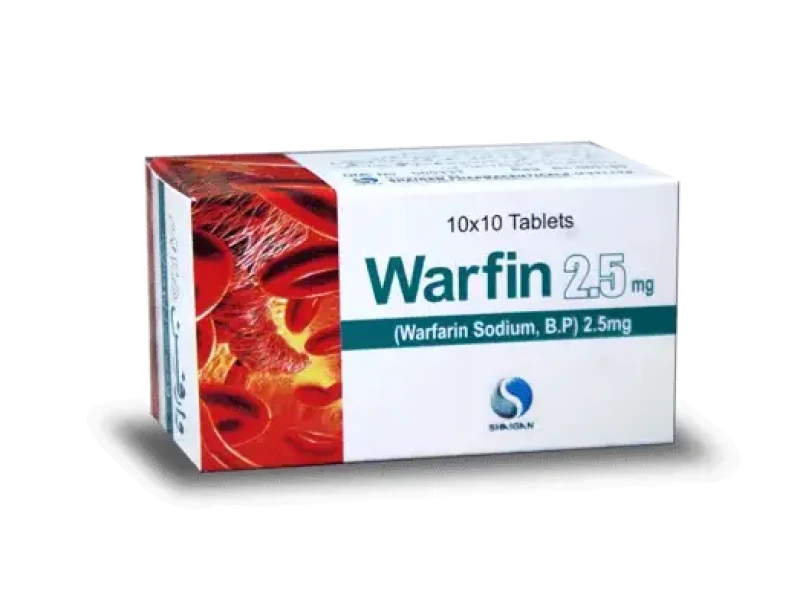
Description
What Is Warfarin?
Warfarin is a prescription anticoagulant medicine, commonly known as a blood thinner. It is used to prevent harmful blood clots from forming or growing in the body. Warfarin belongs to a group of medicines called vitamin K antagonists and works by reducing the liver's production of several proteins needed for normal blood clotting.
Warfarin may be prescribed for people who have certain types of abnormal heart rhythms, previous blood clots, or mechanical heart valves. It can also be used to prevent or treat conditions such as deep vein thrombosis (DVT) and pulmonary embolism (PE).
Unlike some newer anticoagulants, warfarin requires regular blood testing because its effect can vary significantly between individuals. The main test used to monitor warfarin treatment is the prothrombin time (PT) reported as the International Normalized Ratio (INR).
How Does Warfarin Work?
Warfarin interferes with the body's ability to recycle vitamin K, which is needed to produce several clotting factors in the liver.
By reducing the activity of these clotting factors, warfarin makes the blood take longer to clot. This helps prevent dangerous clots from developing or becoming larger.
Warfarin does not dissolve an existing clot immediately. Instead, it helps prevent further clotting while the body's natural processes gradually break down the clot.
Why Is INR Monitoring Important?
Warfarin has a relatively narrow therapeutic range. Too little medicine may not adequately prevent blood clots, while too much can increase the risk of serious bleeding.
Regular INR testing helps doctors determine whether the dose is appropriate. The target INR varies according to the medical condition and type of treatment.
Warfarin and Vitamin K
Vitamin K can affect how warfarin works. However, people taking warfarin generally do not need to completely avoid foods containing vitamin K.
Instead, maintaining a relatively consistent intake of vitamin-K-rich foods, such as leafy green vegetables, can help make INR levels more predictable. Major dietary changes should be discussed with a healthcare professional.
Important Information
Warfarin interacts with many prescription medicines, over-the-counter medicines, herbal products and supplements. Some medicines can increase bleeding risk, while others can reduce warfarin's effectiveness.
Always tell your doctor or pharmacist about all medicines and supplements you use before starting a new product.
Uses
Treatment of Deep Vein Thrombosis
Warfarin can be used to treat deep vein thrombosis (DVT), a blood clot that commonly develops in a deep vein of the leg.
Treatment helps prevent the existing clot from growing and reduces the risk of further clot formation.
Pulmonary Embolism
Warfarin may be prescribed after or during treatment for a pulmonary embolism (PE), which occurs when a blood clot travels to the lungs.
Anticoagulant treatment helps prevent additional clots while the body works to clear the existing clot.
Atrial Fibrillation
People with atrial fibrillation (AF) may have an increased risk of blood clots because the abnormal heart rhythm can allow blood to pool in the heart.
Warfarin may be prescribed to reduce the risk of stroke caused by clot formation in selected patients.
Mechanical Heart Valves
Warfarin is particularly important for many people with certain mechanical heart valves, because these artificial valves can increase the risk of clot formation.
The required INR target may be different depending on the type and location of the mechanical valve.
Prevention of Blood Clots
Warfarin may be used for long-term prevention of blood clots in people who have a continuing risk of thrombosis.
The duration of treatment depends on the underlying condition and the individual's risk of clotting and bleeding.
Previous Blood Clot
Patients who have experienced certain blood clots in the past may receive warfarin to reduce the risk of another clot.
The doctor determines whether short-term or long-term anticoagulation is appropriate.
Important Consideration
Warfarin is not appropriate for every person who has a risk of blood clots. The benefits and bleeding risks need to be carefully assessed before treatment.
Patients should never start or stop warfarin without professional medical advice.
Side Effects
Bleeding
The most important side effect of warfarin is bleeding. Because warfarin slows blood clotting, even minor injuries may sometimes bleed for longer than usual.
Easy bruising, nosebleeds or bleeding from small cuts can occur.
Signs of Serious Bleeding
Seek urgent medical attention for:
Vomiting blood
Coughing up blood
Black or bloody stools
Blood in the urine
Severe or unexplained bruising
Bleeding that does not stop
Severe headache or sudden weakness
Unusual dizziness or fainting
Serious bleeding can be life-threatening and requires immediate assessment.
Bruising
People taking warfarin may notice bruises developing more easily than before. Small bruises are common, but large, unexplained or rapidly increasing bruises should be reported to a healthcare professional.
Nosebleeds
Occasional nosebleeds may occur. Frequent, prolonged or heavy nosebleeds should be medically assessed.
Nausea
Some people may experience nausea or stomach discomfort while taking warfarin.
Diarrhea
Diarrhea or changes in digestion can affect vitamin K absorption and may alter INR levels in some patients. Persistent diarrhea should therefore be discussed with a healthcare professional.
Hair Loss
Some people may notice hair thinning or hair loss while using warfarin. If significant or persistent, discuss this with your doctor.
Skin Problems
Rarely, warfarin can cause serious skin reactions. Painful skin changes, dark or purple areas, blisters or unusual discoloration require prompt medical assessment.
Warfarin-Related Skin Necrosis
A rare but serious complication called warfarin-induced skin necrosis can occur, usually shortly after treatment begins. It may cause painful, darkening or blistering skin and requires urgent medical attention.
Allergic Reaction
A serious allergic reaction is uncommon but can cause swelling of the face, lips, tongue or throat, difficulty breathing or severe rash.
Emergency medical care is required if these symptoms develop.
Dosage
Individualized Warfarin Dose
There is no single standard warfarin dose that is suitable for everyone.
The dose is individualized according to the patient's medical condition, INR results, age, diet, liver function, other medicines and response to treatment.
Starting Dose
Doctors may begin treatment with a low or moderate dose and then adjust it based on INR testing.
The initial dose should never be copied from another patient because warfarin requirements vary considerably.
Maintenance Dose
Once the appropriate INR range is established, the doctor adjusts the dose as needed to keep the patient's INR within the target range.
The dose may change from time to time because diet, illness, medications and other factors can affect warfarin activity.
INR Monitoring
Regular INR blood tests are essential during warfarin treatment.
The INR target varies according to the condition. For many indications, the target is commonly around 2.0 to 3.0, while certain mechanical heart valves may require a different target.
Only the treating healthcare professional should determine the appropriate target for an individual patient.
How to Take Warfarin
Warfarin is generally taken once daily, preferably at the same time each day.
Taking it consistently makes dose adjustments easier when INR results are reviewed.
Follow the exact instructions provided by your doctor.
Missed Dose
If you miss a dose, take it as soon as you remember on the same day.
If you do not remember until the following day, do not take a double dose unless your healthcare professional specifically tells you to do so. Contact your anticoagulation clinic or doctor for guidance when appropriate.
Overdose
Taking too much warfarin can cause excessive anticoagulation and serious bleeding.
If you accidentally take more than prescribed, contact your doctor, anticoagulation service or emergency medical service promptly.
Do not attempt to correct the dose yourself.
Warfarin and Other Medicines
Warfarin interacts with many medicines. Antibiotics, anti-inflammatory pain medicines, some heart medicines and other drugs can affect INR or increase bleeding risk.
Always check with a doctor or pharmacist before starting, stopping or changing another medicine.
Warfarin and Painkillers
Medicines such as ibuprofen, naproxen and aspirin can increase bleeding risk in people taking warfarin.
Do not regularly use these medicines without discussing them with your healthcare professional.
Warfarin and Antibiotics
Some antibiotics can significantly change warfarin's effect. If you are prescribed an antibiotic, tell the prescriber that you take warfarin.
Additional INR monitoring may be necessary.
Warfarin and Alcohol
Alcohol can affect warfarin treatment and may increase bleeding risk, particularly with heavy or inconsistent alcohol consumption.
Discuss alcohol use with your healthcare professional and avoid sudden changes in drinking habits.
Warfarin and Food
Foods rich in vitamin K, including leafy green vegetables, can affect warfarin's activity.
You generally do not need to eliminate these foods. Instead, try to maintain a consistent dietary pattern and inform your healthcare professional about major changes in your diet.
Herbal Products and Supplements
Some herbal medicines and supplements can interfere with warfarin or affect bleeding risk.
Always consult a healthcare professional before taking supplements, herbal remedies or traditional medicines while using warfarin.
Pregnancy
Warfarin can cause serious harm to a developing baby and is generally avoided during pregnancy, except in carefully selected circumstances where specialist management is required.
Anyone who becomes pregnant while taking warfarin should contact their healthcare professional immediately.
Breastfeeding
Warfarin is generally considered compatible with breastfeeding in many situations, but the decision should be made with a healthcare professional based on the mother's treatment and the infant's circumstances.
Surgery and Dental Procedures
Tell your doctor, dentist or surgeon that you take warfarin before any procedure.
Warfarin may need to be adjusted or temporarily stopped for certain procedures, but this should only be done under medical supervision because stopping anticoagulation can increase the risk of blood clots.
Injury and Head Trauma
Because warfarin increases bleeding risk, a significant injury—especially a blow to the head—should receive medical assessment even if there are initially few symptoms.
Internal bleeding may not always be immediately obvious.
When to Seek Medical Help
Seek emergency medical care for uncontrolled bleeding, vomiting blood, black stools, blood in the urine, coughing up blood, severe headache, sudden weakness, fainting or a serious injury.
Important Dosage Advice
Warfarin requires careful dose adjustment and regular INR monitoring. Never change your dose, skip several doses or stop treatment on your own. Keep your diet reasonably consistent and inform every healthcare professional that you are taking warfarin.
Note: This information is for general educational and SEO purposes and does not replace advice from a qualified doctor or pharmacist. Warfarin dosing is highly individualized, and the correct dose and INR target must be determined by your healthcare professional.