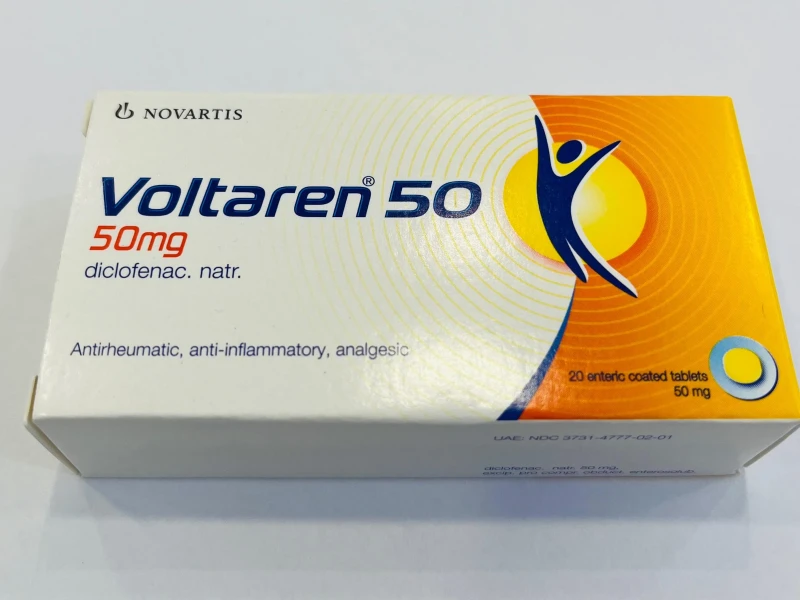
Description
What Is Voltaren?
Voltaren is a brand name commonly associated with diclofenac, a non-steroidal anti-inflammatory drug (NSAID) used to relieve pain and reduce inflammation. Depending on the specific product and country, Voltaren may be available as tablets, capsules, topical gel, suppositories or other formulations.
Diclofenac works by reducing the production of substances called prostaglandins, which contribute to pain, swelling and inflammation. Because different Voltaren products contain different strengths and forms of diclofenac, the correct dose and method of use depend on the specific product.
Voltaren may be used for conditions such as arthritis, muscle pain, joint pain, back pain, sprains and other inflammatory conditions. Topical Voltaren gel is applied directly to the painful area, while oral forms work throughout the body.
Like other NSAIDs, diclofenac can cause side effects, particularly when used at high doses or for long periods. It may increase the risk of stomach ulcers, gastrointestinal bleeding, kidney problems and cardiovascular complications in some people.
How Does Voltaren Work?
Diclofenac blocks cyclooxygenase enzymes, commonly called COX-1 and COX-2. These enzymes are involved in the production of prostaglandins.
When prostaglandin production decreases, inflammation, pain and fever can also decrease.
This makes Voltaren useful for inflammatory pain, but it also explains some of its side effects because prostaglandins have protective roles in the stomach, kidneys and cardiovascular system.
Voltaren Gel vs Oral Voltaren
Voltaren gel is applied directly to the affected area and is commonly used for localized joint and muscle pain. Oral diclofenac is absorbed into the bloodstream and has a more widespread effect.
The safety profile and dosing instructions are different for topical and oral products, so they should not be treated as interchangeable.
Important Information
Voltaren should be used at the lowest effective dose for the shortest appropriate duration. People with a history of stomach ulcers, heart disease, kidney disease, uncontrolled high blood pressure or certain asthma reactions should consult a healthcare professional before using diclofenac.
Uses
Arthritis Pain
Voltaren is commonly used to relieve pain and inflammation associated with osteoarthritis.
It can help reduce joint pain, stiffness and swelling, allowing some patients to move more comfortably.
Topical diclofenac gel may be particularly useful for pain affecting joints that are close to the skin, such as the knees or hands.
Rheumatoid Arthritis
Diclofenac may also be used to manage pain and inflammation associated with rheumatoid arthritis.
It helps control symptoms but does not treat the underlying autoimmune cause of rheumatoid arthritis. Disease-modifying medicines may be required to control the condition itself.
Back Pain
Voltaren may provide short-term relief from certain types of lower back pain, particularly when inflammation contributes to discomfort.
Persistent or severe back pain should be evaluated to determine the underlying cause.
Muscle Pain
Diclofenac can be used for certain muscle injuries and inflammatory pain.
Topical Voltaren gel may be appropriate for localized muscle or soft-tissue discomfort when recommended.
Joint Pain
Voltaren can reduce inflammation and pain affecting joints.
The appropriate formulation depends on the location and severity of symptoms.
Sprains and Strains
Diclofenac may be used for pain associated with certain sprains, strains and sports injuries.
Topical treatment can provide localized relief while limiting systemic exposure compared with oral NSAIDs, although some absorption into the bloodstream still occurs.
Menstrual Pain
Oral diclofenac can help relieve period pain (dysmenorrhea) by reducing prostaglandins responsible for uterine contractions and pain.
It should be taken according to the recommended dose and only when appropriate for the individual.
Dental Pain
Diclofenac may sometimes be prescribed for short-term dental pain and inflammation.
Severe dental pain should not be managed only with painkillers because an infection or another dental problem may require treatment.
Acute Pain
Voltaren can be used for various types of short-term inflammatory pain when an NSAID is medically appropriate.
The cause of pain should be considered before prolonged use.
Important Consideration
Voltaren does not cure every type of pain. Pain caused by nerve problems, serious injuries, infections or other underlying conditions may require a different treatment approach.
Side Effects
Like other NSAIDs, Voltaren can cause side effects. The risk may increase with higher doses and longer treatment.
Stomach Pain
Diclofenac can irritate the stomach lining and may cause abdominal discomfort, indigestion or stomach pain.
Taking the medicine exactly as directed can help reduce unnecessary exposure.
Heartburn
Some people experience heartburn or acid-related discomfort while taking oral diclofenac.
Persistent symptoms should be discussed with a healthcare professional.
Nausea
Nausea is a possible side effect of diclofenac.
If vomiting is persistent or severe, seek medical advice.
Diarrhea
Diclofenac may occasionally cause diarrhea or changes in bowel habits.
Severe or persistent digestive symptoms should be assessed.
Constipation
Constipation can occur in some patients.
Adequate fluids and dietary fiber may help when medically appropriate.
Stomach Ulcers
Regular oral NSAID use can increase the risk of stomach or duodenal ulcers.
The risk is higher in older adults and people with a previous history of ulcers or gastrointestinal bleeding.
Gastrointestinal Bleeding
One of the most serious risks of oral diclofenac is bleeding from the digestive tract.
Warning signs include vomiting blood, passing black or tarry stools, blood in the stool or unexplained weakness.
Seek urgent medical attention if these symptoms occur.
Headache and Dizziness
Some people may experience headache or dizziness while using diclofenac.
Avoid driving or operating machinery if dizziness affects your alertness.
Skin Irritation
Topical Voltaren gel can cause redness, itching, dryness or irritation at the application site.
Stop using the product and seek advice if a severe skin reaction develops.
Kidney Problems
NSAIDs can reduce blood flow to the kidneys in susceptible individuals.
The risk is greater in people with kidney disease, dehydration, heart failure or those taking certain blood pressure medicines.
Liver Problems
Diclofenac can rarely cause liver injury.
Symptoms such as yellowing of the skin or eyes, dark urine, severe fatigue or persistent upper abdominal discomfort require medical evaluation.
Cardiovascular Risks
Systemic diclofenac may increase the risk of heart attack or stroke, particularly with higher doses and prolonged use.
People with cardiovascular disease or multiple heart-risk factors should discuss the risks with their doctor.
Serious Allergic Reaction
Rarely, diclofenac can cause a serious allergic reaction.
Facial or throat swelling, difficulty breathing, severe rash or fainting require emergency medical attention.
Dosage
Individualized Dosage
Voltaren dosage depends on the formulation, strength, medical condition, age and individual risk factors.
Always read the specific product label and follow your doctor's instructions.
Oral Diclofenac
For adults, oral diclofenac is commonly prescribed in divided doses, with total daily doses often ranging from 75 mg to 150 mg, depending on the condition.
The exact dose should be determined by a healthcare professional.
Lowest Effective Dose
The goal is to use the lowest effective dose for the shortest possible period.
Higher doses or prolonged use can increase the risk of stomach, kidney and cardiovascular complications.
Voltaren Gel
The amount of topical Voltaren gel depends on the concentration and the body area being treated.
Different diclofenac gels have different strengths and dosing instructions, so follow the instructions printed on the specific product.
Do not apply more frequently than recommended.
How to Apply Voltaren Gel
Apply the recommended amount to clean, dry skin over the painful area and gently massage it in according to the product instructions.
Wash your hands after application unless the hands themselves are being treated.
Avoid contact with the eyes, mouth and other sensitive areas.
Do Not Apply to Broken Skin
Voltaren gel should generally not be applied to cuts, wounds, infected skin or severe rashes.
Do not cover the treated area with an airtight dressing unless a healthcare professional tells you to do so.
Children's Dosage
Diclofenac dosing in children depends on age, body weight and the medical condition.
Some Voltaren products are not suitable for children.
Do not give adult diclofenac products to a child without medical advice.
Older Adults
Older adults may have a higher risk of stomach bleeding, kidney problems and cardiovascular complications.
A healthcare professional may recommend a lower dose or a different pain-relief option.
Kidney Problems
People with kidney disease should consult a healthcare professional before using systemic diclofenac.
NSAIDs can worsen kidney function in susceptible patients.
Liver Problems
Patients with liver disease should discuss diclofenac use with their doctor.
Long-term treatment may require appropriate monitoring.
Missed Dose
If you forget a prescribed dose, take it when you remember unless it is almost time for the next dose.
If the next dose is close, skip the missed dose.
Do not take an extra dose to make up for a missed one.
Overdose
Taking too much diclofenac can cause nausea, vomiting, stomach pain, gastrointestinal bleeding, dizziness, drowsiness or kidney problems.
A significant overdose requires prompt medical assessment.
Voltaren and Other Medicines
Diclofenac can interact with several medicines.
Tell your doctor or pharmacist about all prescription medicines, over-the-counter products and supplements you use.
Voltaren and Ibuprofen
Taking diclofenac together with ibuprofen or another NSAID can increase the risk of stomach bleeding and kidney problems.
Do not combine NSAIDs unless specifically instructed by a healthcare professional.
Voltaren and Aspirin
Aspirin and diclofenac can increase the risk of gastrointestinal bleeding when used together.
If you take low-dose aspirin for cardiovascular protection, speak with your doctor before using Voltaren.
Voltaren and Warfarin
Combining diclofenac with warfarin can significantly increase bleeding risk.
People taking anticoagulants should seek professional advice before using oral diclofenac.
Voltaren and Blood Pressure Medicines
NSAIDs can reduce the effectiveness of certain blood pressure medicines and may affect kidney function.
This is particularly important when NSAIDs are combined with diuretics or medicines affecting the renin-angiotensin system.
Voltaren and Steroids
Corticosteroids such as prednisolone can increase the risk of gastrointestinal ulcers and bleeding when combined with oral NSAIDs.
Voltaren During Pregnancy
Diclofenac should generally be avoided during pregnancy unless specifically prescribed by a healthcare professional.
NSAIDs can pose particular risks later in pregnancy, including effects on fetal circulation and amniotic fluid.
Do not use oral Voltaren during pregnancy without medical advice.
Voltaren and Breastfeeding
Small amounts of diclofenac can pass into breast milk.
Diclofenac may sometimes be used during breastfeeding when clinically appropriate, but the decision should be discussed with a healthcare professional, particularly for prolonged treatment or higher doses.
Voltaren and Alcohol
Alcohol can increase the risk of stomach irritation and gastrointestinal bleeding when combined with oral diclofenac.
Regular heavy alcohol consumption may further increase this risk.
If you are taking oral Voltaren, discuss alcohol use with your healthcare professional.
How Long Does Voltaren Take to Work?
Oral diclofenac can begin relieving pain relatively quickly, although the exact onset depends on the formulation and individual response.
Topical Voltaren gel may take longer to provide noticeable relief and may work best when used consistently according to the product instructions.
If pain continues despite appropriate treatment, the underlying cause should be evaluated.
Voltaren for Long-Term Pain
Long-term NSAID treatment should be regularly reviewed.
If pain continues for weeks or months, simply continuing Voltaren may not be the best approach. Your doctor may investigate the underlying condition and consider other treatments.
Lifestyle Support for Joint Pain
People with arthritis may benefit from appropriate exercise, weight management, physical therapy and joint-protection strategies.
Medication can help control symptoms, but a broader treatment plan may provide better long-term results.
When to See a Doctor
Seek urgent medical attention for chest pain, difficulty breathing, vomiting blood, black stools, severe allergic symptoms or sudden weakness affecting one side of the body.
Contact your doctor if you develop persistent stomach pain, unexplained bruising, swelling, reduced urine output or symptoms suggesting liver problems.
Important Dosage Advice
Use Voltaren exactly as directed and do not combine it with other NSAID painkillers such as ibuprofen or naproxen without medical advice. Use the lowest effective dose for the shortest appropriate duration. If you have heart disease, high blood pressure, kidney disease, liver disease, stomach ulcers or take blood thinners, consult a healthcare professional before using diclofenac.
Note: This information is for general educational and SEO purposes and does not replace advice from a qualified doctor or pharmacist. Voltaren products can contain different strengths and forms of diclofenac, so the correct dosage, application method and treatment duration depend on the specific product and the patient's medical condition.