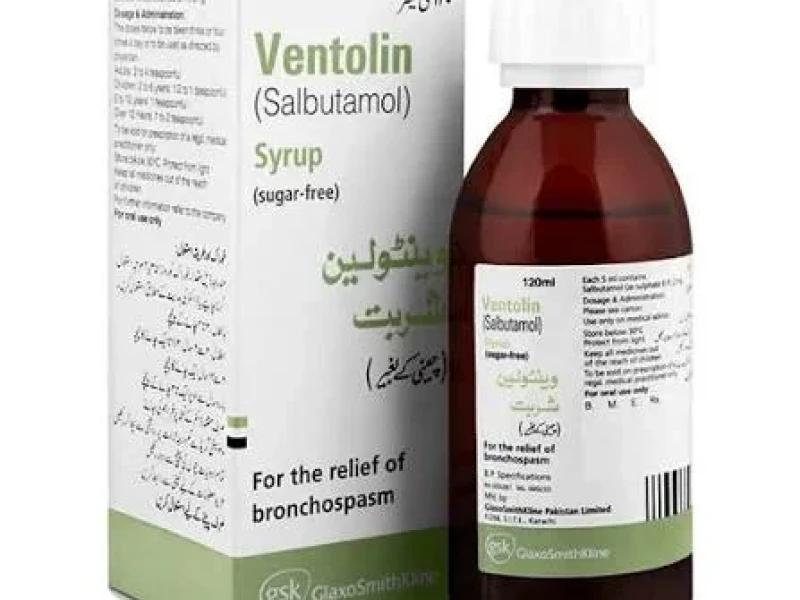
Description
What Is Ventolin?
Ventolin is a brand name commonly associated with salbutamol (albuterol), a medicine used to relieve breathing problems caused by narrowing of the airways. It belongs to a group of medicines called short-acting beta-2 agonists (SABAs).
Ventolin works by relaxing the muscles surrounding the airways in the lungs. When these muscles relax, the airways become wider, making it easier for air to move in and out of the lungs.
It is commonly used for symptoms such as wheezing, shortness of breath, chest tightness and coughing associated with conditions such as asthma and some other obstructive airway diseases.
Ventolin is available in different forms, including inhalers, nebulizer solutions and, in some markets, oral formulations. The inhaled form delivers the medicine directly to the lungs and is commonly used for rapid relief of bronchospasm.
How Does Ventolin Work?
Ventolin contains salbutamol, which stimulates beta-2 receptors in the smooth muscles of the airways.
This causes the airway muscles to relax and helps open narrowed bronchial passages.
As the airways widen, breathing may become easier and symptoms such as wheezing and chest tightness can improve.
The medicine generally starts working within a few minutes when inhaled, although the response can vary from person to person.
Ventolin and Asthma
Ventolin is commonly used as a reliever inhaler for asthma symptoms.
It can provide quick relief when asthma causes bronchospasm, but it does not treat the underlying airway inflammation responsible for persistent asthma.
People who need their reliever inhaler frequently should discuss their asthma treatment with a healthcare professional because frequent symptoms may indicate that long-term controller treatment needs review.
Important Information
Ventolin should be used according to the prescribed instructions. Using it more often than recommended can increase the risk of side effects and may indicate that the underlying respiratory condition is not adequately controlled.
If breathing difficulty becomes severe or does not improve after the prescribed reliever treatment, seek urgent medical care.
Uses
Asthma
One of the most common uses of Ventolin is the relief of acute asthma symptoms.
It can help relax narrowed airways and improve airflow during episodes of wheezing, coughing, chest tightness and shortness of breath.
Ventolin may also be prescribed before exercise when exercise-induced bronchospasm is a known problem.
Bronchospasm
Ventolin is used to relieve bronchospasm, a condition in which the muscles around the airways tighten and make breathing difficult.
Bronchospasm can occur with asthma and certain other respiratory conditions.
Exercise-Induced Breathing Problems
Some people with asthma experience airway narrowing during or after physical activity.
A doctor may recommend using salbutamol before exercise to help prevent exercise-induced bronchospasm.
The exact timing and number of inhalations should follow the prescribed instructions.
Chronic Obstructive Pulmonary Disease
Salbutamol may be used to relieve bronchospasm in people with chronic obstructive pulmonary disease (COPD).
It may improve airflow and provide short-term symptom relief.
However, COPD treatment often requires additional long-term medicines depending on disease severity.
Wheezing
Ventolin can help relieve wheezing when the underlying cause is airway narrowing that responds to salbutamol.
Wheezing can have many different causes, so unexplained or persistent wheezing should be evaluated by a healthcare professional.
Shortness of Breath
When shortness of breath is caused by reversible bronchospasm, Ventolin may provide relief.
However, shortness of breath can also result from heart disease, infection, anemia and other serious conditions.
Do not assume that every episode of breathing difficulty should be treated with Ventolin.
Important Consideration
Ventolin is primarily a reliever medicine. It provides short-term opening of the airways but does not replace long-term anti-inflammatory treatment when such treatment is required.
Side Effects
Most people tolerate inhaled salbutamol well, but side effects can occur.
Shaking or Tremor
A mild hand tremor is one of the more common effects of salbutamol.
It is related to the medicine's stimulation of beta receptors and is often temporary.
Fast Heartbeat
Ventolin may temporarily increase heart rate.
Some people may notice their heart beating faster or more strongly after using an inhaler.
Palpitations
A feeling of fluttering, pounding or racing in the chest can occur.
Persistent or severe palpitations should be medically assessed.
Headache
Headache may occur after using salbutamol.
If headaches are persistent or severe, discuss them with your healthcare professional.
Nervousness
Some people may feel restless, nervous or unusually alert after taking Ventolin.
These effects are generally temporary.
Muscle Cramps
Muscle cramps can occasionally occur.
Frequent or severe cramps should be discussed with a doctor, particularly if high doses are being used.
Low Potassium
High doses of salbutamol can lower blood potassium levels.
This is more likely with frequent or intensive treatment and may cause weakness, cramps or abnormal heart rhythms.
Throat Irritation
Some people may experience throat irritation or dryness after inhaling the medicine.
Correct inhaler technique can help ensure more medicine reaches the lungs.
Paradoxical Bronchospasm
Rarely, inhaled salbutamol can cause paradoxical bronchospasm, in which breathing becomes worse immediately after use.
If this occurs, stop using the affected inhaler and seek urgent medical advice.
Serious Allergic Reaction
A serious allergic reaction is uncommon.
Emergency medical attention is required if there is swelling of the face or throat, difficulty breathing, severe rash or fainting.
Dosage
Individualized Dosage
The appropriate Ventolin dose depends on the formulation, age, respiratory condition and severity of symptoms.
Different inhalers may contain different amounts of salbutamol per actuation, so always check the product instructions.
Adult Inhaler Dose
For many adults using a standard salbutamol metered-dose inhaler, the usual relief dose is 1 or 2 inhalations as needed.
The exact dose should follow the prescription and product instructions.
Before Exercise
For exercise-induced bronchospasm, a doctor may recommend using 1 or 2 inhalations before exercise, often around 10–15 minutes beforehand.
Follow your healthcare professional's specific instructions.
Children
Children may use salbutamol when prescribed and instructed appropriately.
The dose depends on age and the type of inhaler or delivery device.
Younger children may require a spacer device to improve medicine delivery.
Nebulizer Solution
In more significant breathing problems, salbutamol may be administered through a nebulizer.
Nebulizer doses differ from inhaler doses and should be determined by a healthcare professional.
Older Adults
Older adults can use salbutamol when appropriate, but people with heart disease, high blood pressure or rhythm disorders may require careful monitoring.
Heart Problems
Tell your doctor if you have heart disease, an irregular heartbeat, high blood pressure or other cardiovascular conditions.
Salbutamol can temporarily increase heart rate.
How to Use a Ventolin Inhaler
Proper inhaler technique is important.
Generally, the patient should breathe out, place the inhaler correctly, begin to breathe in slowly while activating the inhaler and then hold the breath briefly if possible.
A spacer can improve medicine delivery from many pressurized metered-dose inhalers.
Ask a pharmacist or healthcare professional to demonstrate the correct technique if you are unsure.
Missed Dose
Ventolin is often used when needed rather than on a fixed schedule.
If it has been prescribed regularly and you miss a dose, follow the instructions provided by your doctor.
Do not use extra doses simply to compensate for a missed dose.
Overuse
Using Ventolin much more frequently than prescribed can cause tremor, rapid heartbeat, low potassium and other side effects.
Frequent need for the inhaler may also indicate worsening asthma or COPD.
Ventolin and Other Medicines
Salbutamol can interact with certain medicines.
Tell your doctor or pharmacist about all prescription medicines, over-the-counter products and supplements you use.
Ventolin and Beta Blockers
Medicines called beta blockers, such as propranolol, can reduce the effectiveness of salbutamol and may sometimes worsen bronchospasm.
Doctors carefully consider this combination in people with asthma or other airway conditions.
Ventolin and Diuretics
Diuretics such as furosemide can also affect potassium levels.
When combined with frequent or high-dose salbutamol, the risk of low potassium may increase.
Ventolin and Steroids
People with asthma may use salbutamol alongside inhaled or oral corticosteroids.
These medicines work differently: salbutamol relaxes airway muscles, while corticosteroids reduce airway inflammation.
Ventolin and Digoxin
Salbutamol can potentially affect potassium levels, which may be relevant for people taking digoxin.
Medical monitoring may be required in some patients.
Ventolin and Other Bronchodilators
Using multiple medicines that stimulate similar airway receptors can increase side effects such as tremor and rapid heartbeat.
Use combination inhalers only according to medical advice.
Ventolin During Pregnancy
Salbutamol may be used during pregnancy when clinically necessary.
Poorly controlled asthma can pose risks to both the mother and baby, so asthma treatment should not be stopped without medical advice.
If you are pregnant or planning pregnancy, tell your healthcare professional about your asthma medicines.
Ventolin and Breastfeeding
Salbutamol is generally considered compatible with breastfeeding when used at recommended doses.
If you are breastfeeding and require frequent or high-dose treatment, discuss your medication with your healthcare professional.
How Long Does Ventolin Take to Work?
Inhaled salbutamol usually begins to provide relief within a few minutes.
The effect commonly lasts for several hours, although the duration can vary.
If your usual dose no longer provides the expected relief, do not repeatedly increase the dose without medical advice.
Ventolin and Asthma Control
Needing Ventolin frequently can be a warning sign that asthma is not well controlled.
If you are regularly waking at night because of asthma, experiencing frequent wheezing or needing your reliever inhaler more often than recommended, arrange a medical review.
Long-term asthma treatment may need adjustment.
Ventolin and Inhaler Technique
Incorrect inhaler technique can prevent enough medicine from reaching the lungs.
Common mistakes include:
Breathing in too quickly or too slowly
Not coordinating inhalation with the dose
Not holding the breath afterward
Failing to use a spacer when appropriate
Not keeping the inhaler clean
Ask a healthcare professional to check your technique if the medicine does not seem to work effectively.
Ventolin and Exercise
Exercise can trigger bronchospasm in some people with asthma.
When prescribed, salbutamol may be used before exercise to prevent symptoms.
However, frequent exercise-related symptoms should be discussed with a doctor because better long-term asthma control may be needed.
Long-Term Use of Ventolin
Ventolin can be used for symptom relief when prescribed, but frequent reliance on a short-acting reliever is generally not considered adequate long-term asthma management.
People with persistent asthma may require an inhaled corticosteroid or another controller treatment.
Monitoring During Treatment
Your healthcare professional may monitor:
Breathing symptoms
Frequency of inhaler use
Lung function
Heart rate
Asthma control
Response to treatment
Regular reviews can help determine whether your respiratory treatment remains appropriate.
When to Seek Medical Help
Seek urgent medical attention if severe breathing difficulty does not improve with the prescribed reliever treatment, if you cannot speak normally because of breathlessness, or if your lips or face become blue or grey.
Emergency care is also required for severe chest pain, fainting, serious allergic reactions or a significant worsening of breathing immediately after using the inhaler.
Important Dosage Advice
Use Ventolin exactly as prescribed and do not repeatedly increase the number of doses without medical advice. If you need your reliever inhaler more frequently than usual, this may indicate worsening asthma or another respiratory problem that requires medical review. Learn the correct inhaler technique and use a spacer when recommended.
Note: This information is for general educational and SEO purposes and does not replace advice from a qualified doctor or pharmacist. Ventolin (salbutamol/albuterol) is a prescription or pharmacy medicine depending on the country and formulation, and the appropriate dose depends on the patient's age, condition, inhaler type and severity of symptoms.