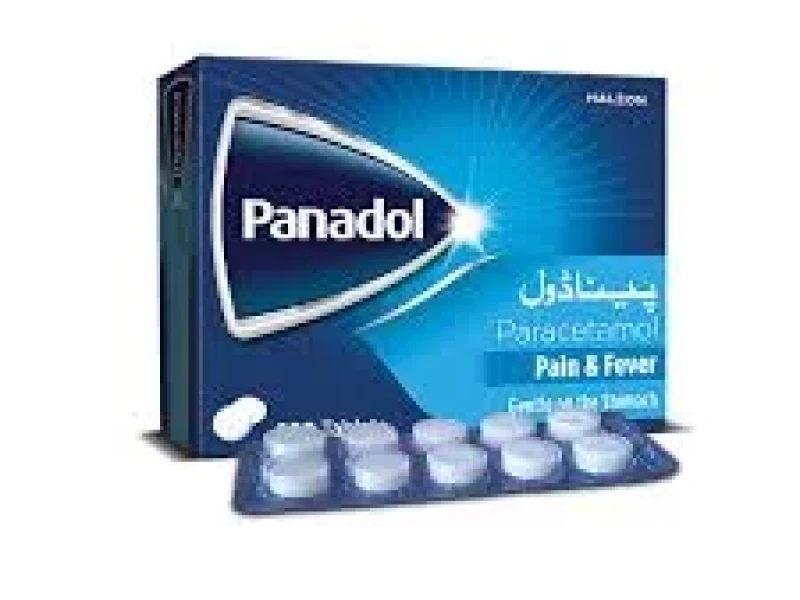
Description
What Is Panadol?
Panadol is a widely recognized brand of paracetamol (acetaminophen), a medicine commonly used to relieve mild to moderate pain and reduce fever. It belongs to a group of medicines called analgesics and antipyretics.
Panadol is commonly used for headaches, toothache, body aches, muscle pain, menstrual pain, backache and fever associated with common illnesses. It is available in several formulations and strengths, including standard tablets, caplets, soluble preparations and products designed for children.
The active ingredient in many standard Panadol products is paracetamol. However, some Panadol products contain additional ingredients, so it is important to check the packaging before taking the medicine.
Paracetamol works mainly by reducing the production of certain chemical messengers involved in pain and temperature regulation. Unlike medicines such as ibuprofen, paracetamol does not have a strong anti-inflammatory effect.
How Does Panadol Work?
Panadol helps reduce pain and fever by affecting the body's pain-processing pathways and the mechanisms involved in regulating body temperature.
It can help make a person feel more comfortable when they have:
Headache
Fever
Toothache
Muscle aches
Back pain
Menstrual pain
Mild joint pain
Cold or flu-related aches
Panadol does not treat the underlying cause of an infection. For example, it can reduce fever caused by an infection, but it does not kill bacteria or viruses.
Panadol and Inflammation
Paracetamol provides pain relief but has relatively little anti-inflammatory activity compared with NSAIDs such as ibuprofen.
This can make it a useful option for people who cannot take certain NSAIDs because of stomach, kidney or other health concerns, although the most appropriate medicine depends on the individual.
Panadol Product Types
Panadol is available in different formulations. Some products may contain only paracetamol, while others may combine paracetamol with additional ingredients for specific symptoms.
Always read the active ingredients carefully to avoid accidentally taking paracetamol from more than one medicine.
Uses
Headache
Panadol is commonly used for the temporary relief of mild to moderate headaches.
It may help reduce pain associated with tension-type headaches and headaches occurring during common illnesses.
If headaches are frequent, unusually severe or suddenly different from normal, medical evaluation may be necessary.
Fever
One of the most common uses of Panadol is reducing fever.
Paracetamol works on the body's temperature-regulating mechanisms and can help lower an elevated temperature and improve comfort.
Fever that is very high, persistent or associated with serious symptoms should be assessed by a healthcare professional.
Toothache
Panadol can provide temporary relief from toothache.
It may be particularly useful when pain needs to be controlled while waiting for a dental appointment.
However, Panadol does not treat tooth decay, an abscess or a dental infection. Persistent tooth pain requires proper dental evaluation.
Menstrual Pain
Panadol may help relieve mild to moderate period pain and menstrual cramps.
Some people may require another type of painkiller when inflammation is a major contributor to severe menstrual pain.
Muscle Pain
Panadol can help reduce mild muscle aches and general body pain.
It may be useful after normal physical activity or during illnesses that cause widespread muscle discomfort.
Back Pain
Paracetamol may provide temporary relief for some forms of mild back pain.
Persistent, severe or recurring back pain should be assessed to determine the underlying cause.
Cold and Flu Symptoms
Panadol can help relieve fever, headache and body aches associated with colds and flu.
It does not cure the viral infection itself.
People using combination cold and flu products should carefully check the ingredients because many contain paracetamol.
Sore Throat
Panadol can reduce pain and fever associated with some sore throats.
If a sore throat is severe, persistent or accompanied by difficulty breathing or swallowing, medical attention should be obtained.
Mild Joint Pain
Paracetamol may provide temporary relief from mild joint discomfort.
It does not have the same anti-inflammatory effect as NSAIDs, so the most appropriate treatment depends on the cause of joint pain.
Important Consideration
Panadol is designed for symptom relief. If pain or fever continues for several days, repeatedly returns or becomes worse, the underlying cause should be investigated.
Side Effects
When used correctly, paracetamol is generally well tolerated. However, side effects can occur, especially with excessive doses.
Nausea
Some people may experience mild nausea after taking paracetamol.
This is usually temporary.
Stomach Discomfort
Panadol can occasionally cause mild digestive discomfort.
Compared with many NSAIDs, paracetamol generally causes less stomach irritation when taken at recommended doses.
Skin Rash
A mild rash can rarely occur.
A rapidly spreading rash, blistering or skin peeling requires immediate medical attention.
Allergic Reaction
Serious allergic reactions to paracetamol are uncommon but possible.
Warning signs include difficulty breathing, facial or throat swelling, severe rash or sudden dizziness.
Seek emergency medical help if these symptoms occur.
Liver Damage
The most important serious risk associated with paracetamol is liver damage caused by overdose.
Taking more than the recommended amount, using several paracetamol-containing products together or combining excessive doses with heavy alcohol consumption can increase the risk.
Liver injury may initially cause few symptoms.
Later symptoms can include nausea, vomiting, abdominal pain, confusion or yellowing of the skin and eyes.
An overdose requires urgent medical assessment, even if the person initially feels well.
Blood-Related Side Effects
Very rarely, paracetamol can cause changes in blood cells.
Unexplained bruising, unusual bleeding, persistent sore throat or repeated infections should be discussed with a healthcare professional.
Kidney Problems
Kidney problems are uncommon when paracetamol is used correctly, but prolonged excessive use may contribute to kidney damage.
People with existing kidney disease should discuss regular use with their doctor.
Dosage
Adult Dosage
For standard immediate-release paracetamol, adults commonly take 500 mg to 1,000 mg per dose, with doses separated by an appropriate interval.
The total daily amount should not exceed the maximum stated on the product label or prescribed by a healthcare professional.
For many adults, the maximum is 4,000 mg in 24 hours, but lower maximum limits may be appropriate for some people.
Do not assume that a higher dose provides better relief.
Panadol for Children
Children require dosing based on age, body weight and the specific formulation.
Liquid Panadol products can contain different concentrations, so parents should carefully check the label and use an accurate measuring device.
Never guess a child's dose.
Older Adults
Older adults may be more likely to have liver or kidney problems or take multiple medicines.
A healthcare professional may recommend a lower maximum daily dose depending on individual circumstances.
Liver Disease
People with liver disease should consult a healthcare professional before using regular or high doses of paracetamol.
The recommended maximum may be lower in people with significant liver impairment.
Low Body Weight
Adults with a low body weight may require a lower total daily dose.
Ask a doctor or pharmacist for personalized advice if this applies to you.
How to Take Panadol
Swallow tablets or caplets with water according to the product instructions.
Panadol can generally be taken with or without food.
Follow the dosing interval stated on the package or prescription.
Missed Dose
Panadol is often taken as needed rather than according to a fixed schedule.
If it has been prescribed regularly and you miss a dose, take it when remembered unless it is nearly time for the next dose.
Do not take extra medicine to compensate for a missed dose.
Panadol Overdose
Taking too much paracetamol can cause severe liver damage.
An overdose may occur accidentally when someone takes multiple products containing paracetamol.
Seek emergency medical help immediately if you think you have taken too much Panadol, even if you feel completely well.
Early treatment can significantly reduce the risk of serious liver injury.
Panadol and Other Medicines
Paracetamol can be present in many prescription and over-the-counter medicines.
Always check the active ingredients of other medicines before taking Panadol.
Panadol and Cold Medicines
Many cold and flu products contain paracetamol.
Taking Panadol together with one of these products can unintentionally result in an excessive total dose.
Read the label carefully before combining medicines.
Panadol and Warfarin
Regular long-term use of paracetamol may affect warfarin and increase its anticoagulant effect in some patients.
People taking warfarin should discuss frequent or high-dose paracetamol use with their doctor.
Panadol and Alcohol
Heavy alcohol consumption can increase the risk of liver damage, particularly when combined with excessive paracetamol use.
Avoid exceeding the recommended dose, and discuss regular paracetamol use with a healthcare professional if you drink alcohol heavily.
Panadol and Other Painkillers
Paracetamol can sometimes be used alongside certain other pain medicines, but the combination should be appropriate for the individual.
Do not automatically combine several painkillers without checking with a doctor or pharmacist.
Panadol and Prescription Medicines
Some medicines can affect how paracetamol is processed by the liver.
Tell your healthcare professional about all prescription medicines, supplements and herbal products you use.
Panadol During Pregnancy
Paracetamol is commonly considered an option for pain and fever during pregnancy when used at the lowest effective dose for the shortest appropriate duration.
However, pregnant individuals should discuss regular or prolonged use with their healthcare professional.
Do not exceed the recommended dose.
Panadol and Breastfeeding
Paracetamol passes into breast milk in very small amounts and is generally considered compatible with breastfeeding when used at recommended doses.
If a breastfeeding mother requires frequent or high-dose treatment, medical advice should be obtained.
How Long Does Panadol Take to Work?
Panadol generally starts providing pain or fever relief within about 30 minutes, although the exact timing varies from person to person.
The effect commonly lasts for several hours.
If symptoms do not improve despite appropriate use, the underlying cause should be evaluated.
Panadol and Food
Panadol can generally be taken with or without food.
If you experience stomach discomfort, taking it after food may be more comfortable.
Panadol and Hydration
When taking Panadol for fever or illness, maintaining adequate fluid intake is important unless you have been instructed to restrict fluids for a medical reason.
Hydration can also help support recovery from many common illnesses.
Panadol for Fever
Panadol can help lower fever and improve comfort, but fever itself is often a symptom of another condition.
If fever is persistent, very high or accompanied by breathing difficulty, severe weakness, confusion, stiff neck or other serious symptoms, seek medical care.
Panadol for Children
Parents should always use the correct child-specific formulation and dose.
A kitchen teaspoon is not an accurate way to measure liquid medicine. Use the measuring syringe or device supplied with the product.
Never give children more than the recommended amount.
Long-Term Use of Panadol
Paracetamol can be appropriate for longer-term pain management in selected patients under medical supervision.
However, regular long-term use should be reviewed by a healthcare professional, particularly if the person has liver disease, kidney disease, low body weight or takes several medicines.
Avoiding Accidental Overdose
One of the most important safety precautions is checking whether other medicines contain paracetamol, acetaminophen or APAP.
For example, a person may take Panadol for a headache and a cold-and-flu medicine for congestion without realizing that both contain paracetamol.
Always calculate the total amount taken from all products.
Panadol and Chronic Pain
If you regularly need Panadol to control pain, it is important to identify the reason for the pain.
Frequent self-treatment may mask an underlying condition that requires proper diagnosis.
When to Seek Medical Help
Seek urgent medical attention for a suspected overdose, severe allergic reaction, difficulty breathing, facial swelling, severe skin reactions or symptoms of liver injury.
For ongoing pain or fever, consult a healthcare professional if symptoms are persistent, worsening or repeatedly returning.
Important Dosage Advice
Take Panadol exactly according to the product label or your doctor's instructions. Do not exceed the recommended daily dose and do not combine it with other paracetamol-containing medicines without checking the total amount. People with liver disease, heavy alcohol use, low body weight or regular long-term medicine use should consult a healthcare professional before using frequent or high doses.
Note: This information is for general educational and SEO purposes and does not replace advice from a qualified doctor or pharmacist. Panadol commonly contains paracetamol (acetaminophen), but formulations can differ by product and country. Always check the active ingredients and strength on your specific Panadol package before taking it.