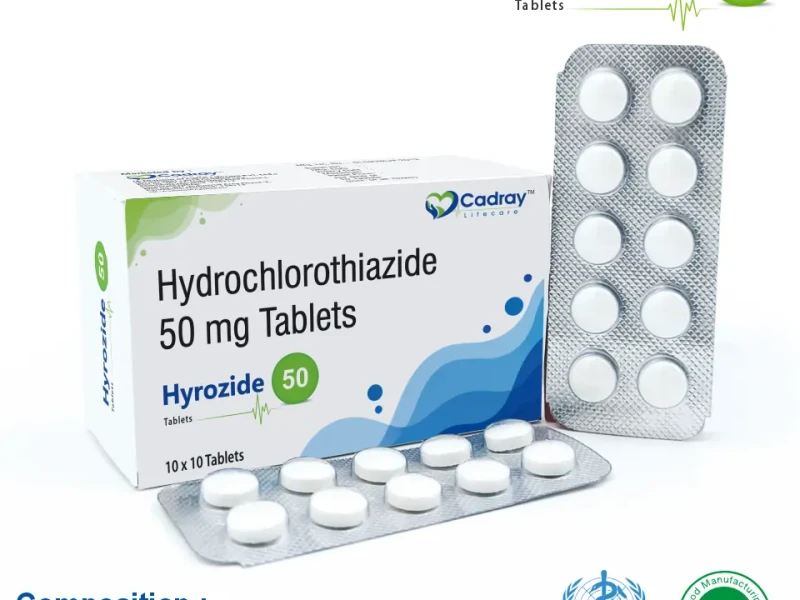
Description
What Is Hydrochlorothiazide?
Hydrochlorothiazide is a prescription medicine commonly used to treat high blood pressure (hypertension) and fluid retention caused by certain medical conditions. It belongs to a group of medicines called thiazide diuretics, often known as water pills.
Hydrochlorothiazide works mainly by helping the kidneys remove extra sodium and water from the body through urine. This reduces the amount of fluid circulating in the blood vessels and can help lower blood pressure.
The medicine may be prescribed alone or together with other blood-pressure medicines. It can also be used to reduce swelling, known as edema, associated with conditions such as heart failure, certain kidney disorders and liver disease.
How Does Hydrochlorothiazide Work?
Hydrochlorothiazide acts on the kidneys, particularly an area called the distal convoluted tubule. It reduces the reabsorption of sodium and chloride, causing more sodium and water to leave the body through urine.
The resulting reduction in fluid volume can help decrease blood pressure. With continued treatment, hydrochlorothiazide also contributes to lower resistance in the blood vessels.
Hydrochlorothiazide for High Blood Pressure
High blood pressure often has no obvious symptoms, but long-term uncontrolled hypertension can increase the risk of stroke, heart disease and kidney problems.
Hydrochlorothiazide can help control blood pressure when taken regularly as prescribed. It is often used as part of a broader treatment plan that includes healthy eating, physical activity and weight management.
Hydrochlorothiazide for Fluid Retention
Certain medical conditions can cause the body to retain excess fluid, resulting in swelling of the feet, ankles, legs or other areas. Hydrochlorothiazide helps the kidneys remove additional fluid and may reduce this swelling in appropriate patients.
Important Information
Because hydrochlorothiazide changes the amount of water and electrolytes in the body, it can affect sodium, potassium and other mineral levels. Doctors may recommend blood tests during treatment.
It can also increase sensitivity to sunlight in some people. Using appropriate sun protection can help reduce the risk of sun-related skin reactions.
Uses
High Blood Pressure
One of the primary uses of hydrochlorothiazide is the treatment of hypertension. By helping the kidneys remove excess sodium and water, it reduces fluid volume and helps lower blood pressure.
Controlling blood pressure can reduce the long-term risk of complications such as heart attack, stroke and kidney disease.
Edema or Fluid Retention
Hydrochlorothiazide may be prescribed to treat edema, a condition in which excess fluid accumulates in body tissues.
It may be used in selected patients with fluid retention associated with heart failure, kidney disorders or liver disease.
Heart Failure-Related Swelling
People with heart failure may develop swelling because the body retains sodium and water. A diuretic such as hydrochlorothiazide can help remove some of this excess fluid and reduce swelling.
The choice of diuretic depends on the severity of fluid retention and the patient's kidney function.
Kidney-Related Fluid Retention
Certain kidney conditions can cause the body to retain more fluid than normal. Hydrochlorothiazide may sometimes be included in treatment to help control this excess fluid.
However, it may not be appropriate in severe kidney impairment, so medical assessment is important.
Prevention of Certain Kidney Stones
Hydrochlorothiazide and related thiazide diuretics may be used in selected patients to help prevent calcium-containing kidney stones.
They can reduce the amount of calcium released into urine, which may lower the likelihood of certain types of stone formation.
Diabetes Insipidus
In some cases, thiazide diuretics may be used as part of treatment for diabetes insipidus, a condition that causes excessive urination and thirst due to problems with water regulation.
This is different from diabetes mellitus and requires specialist medical management.
Important Consideration
Hydrochlorothiazide is not a medicine for ordinary weight loss. The weight reduction that may occur from fluid loss is different from losing body fat.
It should not be used as a weight-loss medicine unless specifically prescribed for an appropriate medical reason.
Side Effects
Hydrochlorothiazide is tolerated well by many patients, but side effects can occur. Some are related to increased urination and changes in fluid or electrolyte levels.
Increased Urination
Because hydrochlorothiazide is a diuretic, increased urination is an expected effect, particularly after taking a dose.
This can be more noticeable during the first part of the day.
Dizziness
Dizziness or lightheadedness may occur, particularly when standing up quickly. This can happen when blood pressure becomes lower than expected or when too much fluid is lost.
Standing up slowly can help reduce the risk of feeling faint.
Dehydration
Excessive fluid loss can sometimes lead to dehydration. Symptoms may include unusual thirst, dry mouth, weakness, dizziness or reduced urination.
Contact a healthcare professional if significant dehydration is suspected.
Low Potassium
Hydrochlorothiazide can lower potassium levels, causing hypokalemia in some patients.
Symptoms of significantly low potassium may include muscle weakness, cramps, unusual tiredness or abnormal heartbeats.
Low Sodium
The medicine can occasionally cause hyponatremia, or low sodium levels. Severe cases may cause confusion, extreme weakness, seizures or other serious symptoms.
Increased Blood Sugar
Hydrochlorothiazide may increase blood glucose levels in some people. Patients with diabetes or those at risk of diabetes may require additional monitoring.
Increased Uric Acid
Hydrochlorothiazide can increase uric acid levels in the blood. This may trigger or worsen gout in susceptible individuals.
People with a history of gout should inform their doctor before starting treatment.
Increased Sun Sensitivity
Some people become more sensitive to sunlight while taking hydrochlorothiazide. Prolonged sun exposure may increase the risk of sunburn.
Use appropriate sun protection and discuss unusual or persistent skin changes with a healthcare professional.
Headache
Headache can occur in some users, particularly when blood pressure or fluid levels are changing.
Nausea
Mild nausea or stomach discomfort may occur. Persistent vomiting or severe digestive symptoms should be assessed medically.
Serious Allergic Reaction
A serious allergic reaction is uncommon but may cause swelling of the face, lips, tongue or throat, breathing difficulty or a severe rash. Emergency medical treatment is necessary if these symptoms develop.
Dosage
Usual Adult Dose for High Blood Pressure
For hypertension, hydrochlorothiazide is commonly prescribed at a dose of 12.5 mg to 25 mg once daily, depending on the patient's response and treatment plan.
Some patients may require a different dose, but increasing the dose does not always provide additional blood-pressure reduction and can increase side effects.
Dosage for Edema
The dose used to treat fluid retention can vary significantly depending on the underlying medical condition and severity of swelling.
Doctors may prescribe hydrochlorothiazide in divided doses or according to a specific schedule based on the patient's needs.
Dosage for Kidney Stone Prevention
When used to reduce the risk of certain calcium kidney stones, the dosing schedule may differ from the dose used for hypertension.
The doctor determines the appropriate dose based on urine calcium levels, kidney function and other health factors.
Children's Dosage
Hydrochlorothiazide may be prescribed for children in selected situations. Pediatric dosing is generally based on body weight and medical condition.
Children should only receive the medicine according to a pediatrician's instructions.
Older Adults
Older adults may be more sensitive to dehydration, low blood pressure and electrolyte changes. A doctor may use a lower starting dose and monitor the patient more closely.
How to Take Hydrochlorothiazide
Hydrochlorothiazide is usually taken once daily, often in the morning. Taking it earlier in the day can help reduce the chance that increased urination will disturb sleep.
It can generally be taken with or without food unless the product instructions state otherwise.
Missed Dose
If you miss a dose, take it when you remember unless it is close to the next scheduled dose. If the next dose is near, skip the missed dose and continue with the normal schedule.
Do not take two doses together to compensate for a missed dose.
Overdose
Taking too much hydrochlorothiazide can cause excessive urination, dehydration, severe dizziness, low blood pressure and electrolyte disturbances.
A suspected overdose requires prompt medical evaluation.
Hydrochlorothiazide and Other Medicines
Tell your doctor about all medicines and supplements you use. Hydrochlorothiazide can interact with certain blood-pressure medicines, lithium, corticosteroids, diabetes medicines and other drugs that affect electrolyte levels.
Potassium supplements or potassium-containing salt substitutes should not be started without medical advice.
Hydrochlorothiazide and Gout
Because hydrochlorothiazide can raise uric acid levels, people with gout may experience more frequent attacks.
If you have a history of gout, tell your doctor before treatment begins.
Pregnancy and Breastfeeding
Hydrochlorothiazide should be used during pregnancy only when specifically recommended by a healthcare professional. The doctor will assess the potential benefits and risks.
Breastfeeding patients should also discuss its use with their doctor because diuretics may affect milk production at higher doses.
Monitoring During Treatment
Doctors may monitor blood pressure, kidney function and electrolyte levels, particularly after starting treatment or changing the dose.
People taking hydrochlorothiazide for a long period may require periodic blood tests.
Lifestyle and Hydrochlorothiazide
Medication works best when combined with healthy lifestyle habits. Reducing excessive salt intake, maintaining a healthy weight, staying physically active and following a balanced diet can support blood-pressure control.
Patients should also follow their doctor's advice regarding fluid intake, particularly if hydrochlorothiazide is being used for edema.
When to Seek Medical Help
Seek medical attention for severe dizziness, fainting, significant dehydration, unusual muscle weakness, confusion, severe skin reactions or irregular heartbeat.
Emergency care is necessary for severe allergic reactions, seizures, loss of consciousness or other serious symptoms.
Important Dosage Advice
Do not change the hydrochlorothiazide dose or stop treatment without consulting a healthcare professional. The appropriate dosage depends on the medical condition, blood pressure, kidney function, age and response to treatment.
Note: This information is for general educational and SEO purposes and does not replace advice from a qualified doctor or pharmacist. Always follow the prescription and the instructions on your specific hydrochlorothiazide product.