Description
What Is Cefspan?
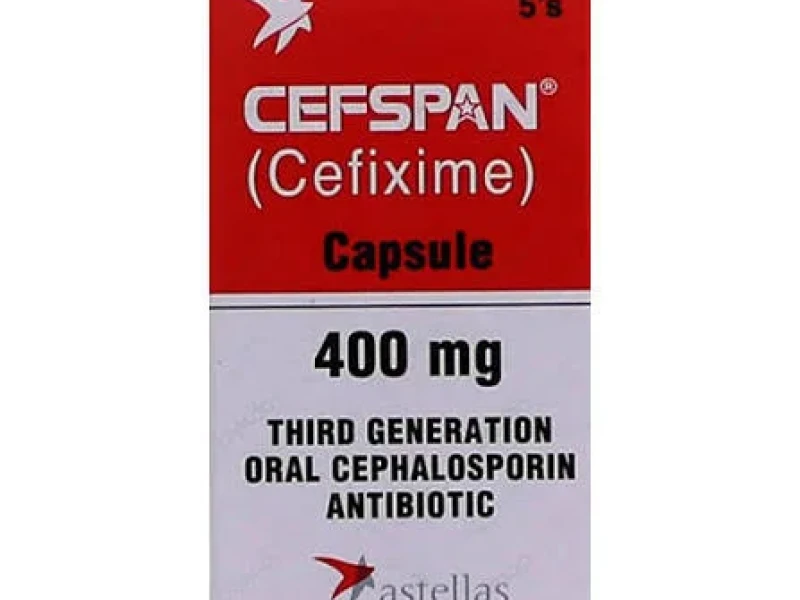
Cefspan is a brand name commonly associated with cefixime, an antibiotic belonging to the third-generation cephalosporin group. It is used to treat certain bacterial infections when the responsible bacteria are susceptible to cefixime.
Cefixime works by interfering with the formation of the bacterial cell wall. Without a properly formed cell wall, susceptible bacteria cannot survive and multiply effectively.
Cefspan may be available as tablets, capsules or oral suspension, depending on the market and product. The strength and formulation should always be checked before taking the medicine.
Cefspan is used for selected infections involving the respiratory tract, urinary tract, ears and throat, as well as certain other bacterial infections. It does not work against viruses, so it should not be used for common colds, influenza or other viral illnesses.
How Does Cefspan Work?
Cefixime is a beta-lactam antibiotic. It binds to bacterial proteins involved in cell-wall production and prevents bacteria from building a strong protective cell wall.
As a result, susceptible bacteria become damaged and die.
Because different bacteria have different levels of susceptibility to antibiotics, Cefspan should only be used when a healthcare professional considers it appropriate.
Cefspan and Bacterial Infections
Cefspan can be effective against several types of bacteria, but it is not suitable for every infection.
Doctors may consider the location and severity of the infection, the patient's medical history and local antibiotic resistance when selecting cefixime.
Important Information
Cefspan is a prescription antibiotic in many countries. It should not be taken simply because a person has a cough, fever or sore throat.
Unnecessary antibiotic use can cause side effects and contribute to antibiotic resistance.
Uses
Urinary Tract Infections
Cefspan may be prescribed for certain urinary tract infections (UTIs) caused by susceptible bacteria.
Symptoms of a UTI can include burning during urination, frequent urination, lower abdominal discomfort and cloudy or strong-smelling urine.
A urine test may sometimes be recommended to identify the responsible bacteria and select an appropriate antibiotic.
Respiratory Tract Infections
Cefixime may be used for certain bacterial respiratory infections.
It can be considered for selected infections when the suspected bacteria are susceptible and the antibiotic is clinically appropriate.
Most common colds and many coughs, however, are caused by viruses and do not require antibiotics.
Throat Infections
Cefspan may be used for certain bacterial throat infections, including some infections caused by Streptococcus bacteria.
A doctor may assess symptoms and, when appropriate, perform testing before prescribing an antibiotic.
Tonsillitis
Some cases of bacterial tonsillitis may be treated with cefixime.
However, not every case of tonsillitis is bacterial, so antibiotics should not be taken without proper evaluation.
Ear Infections
Cefixime may be prescribed for selected middle ear infections, particularly when the responsible bacteria are susceptible.
Treatment depends on the patient's age, symptoms and clinical diagnosis.
Sinus Infections
Some bacterial sinus infections may require antibiotic treatment.
Cefspan can be used in selected cases when cefixime is considered an appropriate option.
Bronchitis
Most acute bronchitis cases are viral and do not benefit from antibiotics.
Cefspan may only be considered when a bacterial infection is diagnosed or strongly suspected and cefixime is an appropriate treatment.
Gonorrhea
Cefixime has been used for certain cases of gonorrhea, but treatment recommendations can change because antibiotic resistance is an important concern.
Current local guidelines should determine the appropriate treatment.
Typhoid Fever
In some regions, cefixime may be used for typhoid fever caused by susceptible Salmonella Typhi.
Because antibiotic resistance varies significantly, testing and local treatment guidelines are important.
Important Consideration
Cefspan should not be used for viral infections such as influenza, common colds or most viral coughs.
Side Effects
Cefixime is generally tolerated by many patients, but side effects can occur.
Diarrhea
Diarrhea is one of the more common side effects of cefixime.
Mild diarrhea may occur because antibiotics can change the normal balance of bacteria in the digestive system.
Severe or persistent diarrhea should be medically assessed.
Nausea
Some people experience nausea while taking Cefspan.
Taking the medicine according to the product instructions may help reduce stomach discomfort.
Stomach Pain
Abdominal discomfort or stomach cramps can occur.
Severe or persistent abdominal pain should be discussed with a healthcare professional.
Vomiting
Vomiting may occasionally occur.
If vomiting prevents you from keeping the medicine down, contact your doctor or pharmacist.
Indigestion
Some patients may experience indigestion or other mild digestive symptoms during treatment.
Headache
Headache can occur in some people taking cefixime.
Persistent or severe headaches should be evaluated.
Dizziness
Dizziness is possible but not among the most common effects.
Avoid driving if you feel significantly dizzy.
Skin Rash
A rash can occur as an allergic or non-allergic reaction.
A rapidly spreading rash, blistering or skin peeling requires urgent medical attention.
Allergic Reaction
People with a history of serious allergy to penicillin or cephalosporin antibiotics should tell their doctor before taking cefixime.
A severe allergic reaction may cause facial or throat swelling, difficulty breathing, severe rash or fainting.
Emergency treatment is required for these symptoms.
Clostridioides difficile-Associated Diarrhea
Like other antibiotics, cefixime can rarely cause an overgrowth of Clostridioides difficile, resulting in significant diarrhea and inflammation of the colon.
Seek medical advice if severe diarrhea develops during or after antibiotic treatment.
Dosage
Individualized Dosage
The correct Cefspan dose depends on the infection being treated, patient's age, body weight, kidney function and formulation.
Always follow the dose prescribed by your doctor.
Adult Dosage
For many adult infections, the usual cefixime dose is 400 mg per day.
It may be taken as 400 mg once daily or 200 mg every 12 hours, depending on the condition and prescribing instructions.
Children's Dosage
For children, cefixime is commonly dosed according to body weight.
A frequently used pediatric dose is around 8 mg/kg per day, given once daily or divided into two doses, depending on the product and clinical situation.
The maximum dose should be determined by a healthcare professional.
Cefspan Suspension
Cefixime oral suspension is commonly used for children or people who have difficulty swallowing tablets.
The concentration of the suspension can differ between products, so the prescribed milliliter dose must be based on the specific bottle strength.
Shake the suspension well before each dose if instructed by the product label.
Older Adults
Older adults can generally use cefixime when appropriate, but kidney function should be considered.
Dose adjustments may be necessary in significant kidney impairment.
Kidney Problems
Cefixime is eliminated partly through the kidneys.
People with reduced kidney function may require a lower dose or modified dosing schedule.
Tell your doctor if you have kidney disease.
How to Take Cefspan
Cefspan can generally be taken with or without food.
Take it at approximately the same time each day and follow the instructions provided with your prescription.
Missed Dose
If you miss a dose, take it when you remember unless it is nearly time for the next dose.
If the next dose is close, skip the missed dose.
Do not take two doses together.
Overdose
Taking too much cefixime may increase the risk of side effects, especially digestive symptoms.
Seek medical advice if an overdose is suspected.
Cefspan and Other Medicines
Cefixime can interact with certain medicines.
Tell your doctor or pharmacist about all prescription medicines, over-the-counter products and supplements you take.
Cefspan and Warfarin
Cefixime and other cephalosporins may increase the effect of warfarin in some patients and can potentially increase bleeding risk.
Patients taking warfarin may require closer monitoring.
Cefspan and Carbamazepine
Cefixime may increase carbamazepine levels in some patients.
Tell your doctor if you take carbamazepine.
Cefspan and Other Antibiotics
Do not combine Cefspan with another antibiotic unless the combination has been specifically prescribed.
Using unnecessary antibiotics can increase side effects and antibiotic resistance.
Cefspan and Antacids
Unlike some antibiotics, cefixime is not significantly affected by ordinary antacid use, but it is still best to tell your pharmacist about all medicines you take.
Cefspan and Supplements
Tell your healthcare professional about vitamins, minerals and herbal supplements before starting treatment.
Cefspan During Pregnancy
Cefixime may be used during pregnancy when a bacterial infection requires treatment and the doctor considers it appropriate.
Untreated bacterial infections can sometimes cause complications, so pregnant patients should not stop necessary antibiotic treatment without medical advice.
If you are pregnant or planning pregnancy, inform your healthcare professional before taking Cefspan.
Cefspan and Breastfeeding
Cefixime passes into breast milk in small amounts.
It is generally considered compatible with breastfeeding when clinically indicated, but discuss treatment with your doctor if you are breastfeeding, especially if the baby is premature or has medical problems.
How Long Does Cefspan Take to Work?
Cefspan begins working against susceptible bacteria after treatment starts.
Symptoms may begin improving within a few days, depending on the infection and its severity.
If symptoms are getting worse or do not improve within the expected period, contact your healthcare professional.
Cefspan and Food
Cefixime can generally be taken with or without food.
If it causes stomach discomfort, taking it with food may be helpful unless your healthcare professional has given different instructions.
Cefspan and Alcohol
Alcohol does not have the same specific interaction with cefixime that it has with some other antibiotics.
However, alcohol can worsen dizziness, stomach upset or dehydration during an infection.
Avoid excessive alcohol while recovering from illness.
Cefspan and Antibiotic Resistance
Antibiotic resistance occurs when bacteria change in ways that allow them to survive antibiotics.
Taking Cefspan unnecessarily or using it for viral infections contributes to this problem.
Use cefixime only when prescribed for an appropriate bacterial infection.
Completing Treatment
Take Cefspan for the duration recommended by your healthcare professional.
Do not stop or extend treatment on your own.
If you experience a significant side effect, contact your doctor rather than simply changing the dose yourself.
Cefspan and Probiotics
Some people choose probiotics during antibiotic treatment to help support normal intestinal bacteria.
Evidence varies depending on the probiotic product and individual circumstances. If you plan to use one, ask your pharmacist whether it is suitable for you.
Long-Term Use of Cefspan
Cefixime is generally intended for a specific course of treatment.
Unnecessary prolonged antibiotic use can increase the risk of resistant bacteria and antibiotic-associated diarrhea.
Monitoring During Treatment
Depending on the infection, your healthcare professional may monitor:
Improvement in symptoms
Fever and infection signs
Kidney function when appropriate
Blood tests in prolonged or complicated treatment
Possible allergic reactions
Antibiotic response
When to Seek Medical Help
Seek urgent medical attention if you develop difficulty breathing, facial or throat swelling, severe rash, fainting or other signs of a serious allergic reaction.
Contact a healthcare professional if severe watery or bloody diarrhea develops during or after treatment.
Important Dosage Advice
Take Cefspan exactly as prescribed and do not use it for colds, flu or other viral infections. The correct cefixime dose depends on the infection, age, body weight, kidney function and formulation. Complete the prescribed course unless your healthcare professional tells you otherwise, and seek medical advice if symptoms worsen or fail to improve.
Note: This information is for general educational and SEO purposes and does not replace advice from a qualified doctor or pharmacist. Cefspan (commonly containing cefixime) is an antibiotic, and its appropriate use depends on the confirmed or suspected bacterial infection and the patient's individual medical circumstances.