Description
What Is Aspirin?
Aspirin is a widely used medicine that belongs to a group of drugs called salicylates and is also classified as a non-steroidal anti-inflammatory drug (NSAID). It can be used to relieve mild to moderate pain, reduce fever and decrease inflammation. At lower doses, aspirin is also used as an antiplatelet medicine to reduce the formation of blood clots in people who have certain cardiovascular conditions.
Aspirin works by blocking enzymes called cyclooxygenase (COX-1 and COX-2). This reduces the production of prostaglandins, chemicals involved in pain, inflammation and fever. Aspirin also permanently affects platelet function, making platelets less likely to stick together and form clots.
Because aspirin has different effects at different doses, the dose used for pain relief is not the same as the dose used for cardiovascular protection.
How Does Aspirin Work?
Aspirin reduces the production of prostaglandins, which are involved in inflammation, pain and fever. This explains its role as a painkiller and fever-reducing medicine.
It also blocks the production of thromboxane in platelets. Since platelets cannot easily restore the affected enzyme, aspirin's antiplatelet effect can continue for the lifespan of the platelet, which is roughly 7 to 10 days.
This is why low-dose aspirin can reduce the risk of certain blood-clot-related cardiovascular events.
Low-Dose Aspirin
Low-dose aspirin is commonly prescribed for selected people at increased risk of cardiovascular events. It may be used after a heart attack, certain types of stroke or other cardiovascular conditions when a doctor believes the benefits outweigh the bleeding risk.
It should not be started routinely for heart disease prevention without medical advice, particularly in older adults, because aspirin can cause serious bleeding.
Important Information
Aspirin can irritate the stomach and increase the risk of gastrointestinal bleeding. It can also cause serious allergic reactions in susceptible people.
Children and teenagers with certain viral illnesses should generally not receive aspirin because of the risk of Reye's syndrome, a rare but serious condition affecting the liver and brain.
Uses
Pain Relief
Aspirin can be used to relieve mild to moderate pain, including certain headaches, muscle aches, toothache and menstrual pain.
It works by reducing chemicals involved in pain and inflammation.
Fever Reduction
Aspirin can reduce fever by affecting prostaglandin production in the brain.
However, other fever-reducing medicines are often preferred for children and for people who have certain stomach, kidney or bleeding problems.
Inflammation
Because aspirin reduces prostaglandins, it can decrease inflammation and swelling.
Higher doses have historically been used for inflammatory conditions, although other medicines are often preferred today because of aspirin's side-effect profile.
Heart Attack Prevention
Low-dose aspirin may be prescribed to people who have already experienced certain cardiovascular events.
By reducing platelet aggregation, aspirin can lower the chance of another blood clot forming in the arteries.
It should only be used for this purpose under medical supervision.
Stroke Prevention
Aspirin may be used to reduce the risk of certain ischemic strokes, particularly in people with established cardiovascular disease or specific conditions affecting blood clot formation.
It is not appropriate for every type of stroke. Aspirin can worsen bleeding in a hemorrhagic stroke, so emergency stroke treatment must determine the type of stroke before aspirin is used.
After Certain Heart Procedures
Doctors may prescribe aspirin after procedures such as coronary stent placement, often together with another antiplatelet medicine for a specified period.
The treatment plan depends on the patient's cardiovascular condition and procedure.
Rheumatoid Arthritis and Other Inflammatory Conditions
Higher doses of aspirin were historically used for rheumatoid arthritis and other inflammatory diseases.
Today, other anti-inflammatory medicines are usually preferred because they can provide more targeted treatment with a more manageable safety profile.
Important Consideration
Aspirin is not suitable for everyone. People with a history of stomach ulcers, bleeding disorders, aspirin allergy, certain asthma reactions or significant kidney disease should consult a healthcare professional before using it.
Side Effects
Aspirin can cause side effects ranging from mild stomach discomfort to serious bleeding.
Stomach Irritation
Aspirin can irritate the stomach lining and may cause indigestion, heartburn or abdominal discomfort.
Taking aspirin exactly as recommended can help reduce unnecessary exposure.
Nausea
Some people experience nausea while taking aspirin.
Persistent vomiting or severe abdominal symptoms should be medically evaluated.
Heartburn
Aspirin can increase stomach irritation and may worsen heartburn or acid-related symptoms in some people.
Stomach Ulcers
Regular aspirin use can increase the risk of stomach or duodenal ulcers.
The risk is higher with higher doses, prolonged use, older age and combination with other NSAIDs or corticosteroids.
Gastrointestinal Bleeding
One of the most important risks of aspirin is bleeding from the digestive tract.
Warning signs include vomiting blood, passing black or tarry stools, blood in the stool or unexplained weakness.
Seek urgent medical attention if these symptoms occur.
Easy Bruising
Because aspirin reduces platelet activity, people taking it may bruise more easily or bleed for longer after minor injuries.
Nosebleeds
Occasional nosebleeds may occur because of aspirin's effect on blood clotting.
Frequent or difficult-to-control bleeding should be discussed with a healthcare professional.
Allergic Reactions
Some people are allergic or sensitive to aspirin.
Symptoms may include rash, facial swelling, wheezing, difficulty breathing or sudden worsening of asthma.
Severe symptoms require emergency medical attention.
Ringing in the Ears
High doses of aspirin can cause tinnitus, or ringing in the ears.
This may be an early sign that the dose is too high and should be discussed with a healthcare professional.
Kidney Problems
Regular high-dose aspirin use can affect kidney function, particularly in people who already have kidney disease or dehydration.
Liver Problems
Liver complications are uncommon but may occur, particularly with excessive doses or certain medical conditions.
Aspirin-Related Asthma
Some people with asthma develop worsening breathing symptoms after taking aspirin or other NSAIDs.
This is sometimes called aspirin-exacerbated respiratory disease.
People with a history of aspirin-triggered asthma should avoid aspirin unless specifically advised by a specialist.
Reye's Syndrome
Aspirin should generally not be given to children or teenagers recovering from viral infections, such as influenza or chickenpox, because of the rare risk of Reye's syndrome.
Dosage
Individualized Dosage
The appropriate aspirin dose depends on the reason for treatment, age, health status and formulation.
Pain-relief doses are considerably higher than the low doses used for antiplatelet therapy.
Always follow the instructions on the product or prescription.
Adult Dose for Pain
For adults, aspirin for pain relief is commonly taken in doses of approximately 325 mg to 650 mg every 4 to 6 hours as needed.
The maximum daily amount depends on the specific product and medical situation. Do not exceed the recommended dose.
Low-Dose Aspirin
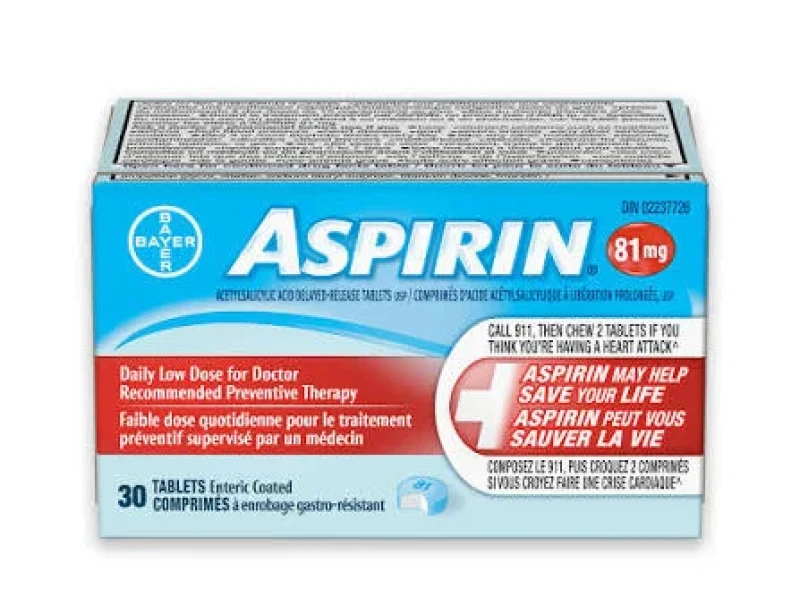
Low-dose aspirin for cardiovascular protection is commonly prescribed in the range of 75 mg to 100 mg once daily, depending on local guidelines and the individual's condition.
Do not begin daily aspirin for heart disease prevention without discussing it with your doctor.
Aspirin for Heart Attack Symptoms
If someone has symptoms strongly suggestive of a heart attack, emergency medical services should be contacted immediately.
In some emergency situations, medical professionals may recommend chewing an appropriate aspirin dose if there is no aspirin allergy or other contraindication. Follow the instructions of emergency medical services rather than delaying emergency care.
Children's Dosage
Aspirin should not routinely be given to children or teenagers without specific medical advice.
There are certain specialist situations where aspirin may be prescribed to children, but this requires professional supervision.
Older Adults
Older adults have a higher risk of gastrointestinal bleeding and other complications from aspirin.
Daily aspirin for primary prevention should therefore be carefully assessed rather than started automatically.
Kidney Problems
People with kidney disease should consult a healthcare professional before taking aspirin regularly.
High doses can worsen kidney function in susceptible individuals.
How to Take Aspirin
Swallow aspirin with water according to the product instructions.
Some aspirin products are enteric-coated or specially formulated to reduce stomach irritation. These tablets should generally be swallowed whole rather than crushed or chewed unless the product instructions specifically allow it.
Missed Dose
If aspirin has been prescribed once daily and you forget a dose, take it when you remember unless it is nearly time for the next dose.
Do not double the next dose.
If you take aspirin only when needed for pain, simply follow the normal dosing instructions when another dose is required.
Overdose
Aspirin overdose can be dangerous.
Symptoms may include nausea, vomiting, ringing in the ears, sweating, rapid breathing, confusion, dizziness and abnormal body temperature.
Severe poisoning can cause seizures, loss of consciousness and life-threatening complications.
Seek emergency medical attention if an overdose is suspected.
Aspirin and Other Medicines
Aspirin can interact with many medicines and supplements.
Aspirin and Ibuprofen
Taking aspirin with ibuprofen or other NSAIDs can increase the risk of stomach irritation and bleeding.
Ibuprofen can also interfere with the antiplatelet effect of low-dose aspirin when taken at certain times.
Ask your doctor or pharmacist before combining them regularly.
Aspirin and Warfarin
Combining aspirin with warfarin can significantly increase the risk of bleeding.
The combination may be medically necessary for certain conditions, but it should only be used under professional supervision.
Aspirin and Clopidogrel
Aspirin and clopidogrel are sometimes prescribed together after certain cardiovascular events or procedures.
Because both reduce platelet activity, the combination increases bleeding risk and should be taken only according to the prescribed treatment plan.
Aspirin and Steroids
Medicines such as prednisolone can increase the risk of gastrointestinal complications when combined with aspirin.
Tell your doctor if you use corticosteroids regularly.
Aspirin During Pregnancy
Aspirin use during pregnancy depends on the dose and medical reason.
Low-dose aspirin may be prescribed by a healthcare professional for specific pregnancy-related conditions, including prevention of preeclampsia in people at increased risk.
However, high-dose aspirin for pain should generally not be used during pregnancy unless specifically recommended by a doctor.
Never start aspirin during pregnancy without professional advice.
Aspirin and Breastfeeding
Aspirin can pass into breast milk.
Occasional low-dose use may sometimes be considered under medical supervision, but regular or high-dose aspirin is generally avoided during breastfeeding unless specifically prescribed.
Discuss pain-relief options with your healthcare professional.
Aspirin and Alcohol
Alcohol can increase the risk of stomach irritation and gastrointestinal bleeding when combined with aspirin.
Regular heavy alcohol consumption can further increase the risk.
If you are taking daily aspirin, discuss alcohol use with your healthcare professional.
Aspirin Before Surgery
Because aspirin affects platelet function for several days, it can increase bleeding during surgery or certain dental procedures.
Tell your doctor or dentist that you take aspirin.
Do not stop prescribed low-dose aspirin on your own, particularly if it was prescribed after a heart attack, stroke or coronary stent. Your healthcare professional will decide whether it should be continued or temporarily stopped.
Long-Term Aspirin Use
Long-term aspirin therapy may be appropriate for some people with established cardiovascular disease.
However, it is not automatically beneficial for everyone.
For people who have never had a cardiovascular event, the potential reduction in heart attack risk must be balanced against the risk of serious bleeding.
Regular medical review is important for anyone taking aspirin daily for an extended period.
Lifestyle and Heart Health
Aspirin is only one part of cardiovascular risk management.
Maintaining a healthy weight, exercising regularly, avoiding tobacco, controlling blood pressure and managing cholesterol and diabetes can all contribute to better heart health.
Important Dosage Advice
Aspirin should be taken according to the recommended dose and medical advice. Do not start daily aspirin for heart attack or stroke prevention on your own, and do not combine it regularly with other NSAIDs or blood-thinning medicines without professional guidance.
Note: This information is for general educational and SEO purposes and does not replace advice from a qualified doctor or pharmacist. The appropriate aspirin dose depends on the reason for treatment, age, medical history, bleeding risk and other medicines being used.