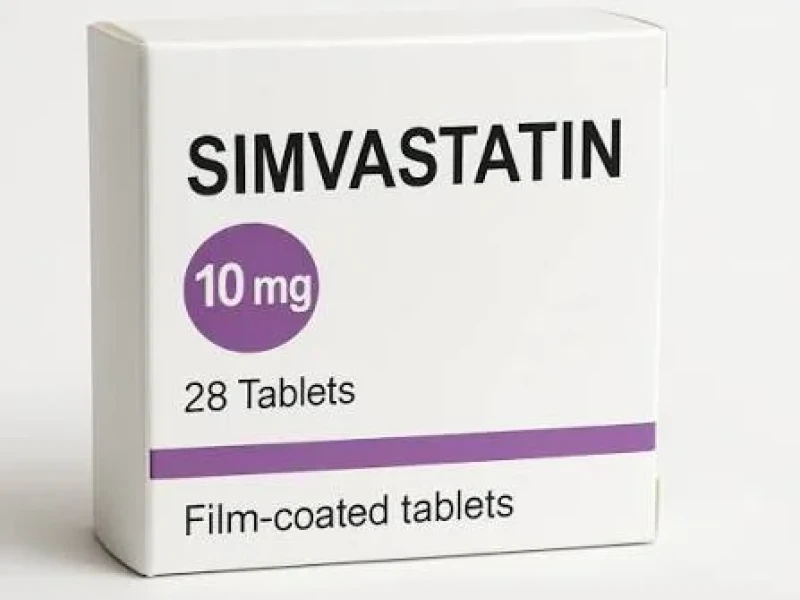
Description
What Is Simvastatin?
Simvastatin is a prescription statin medicine used to lower high levels of cholesterol and reduce the risk of cardiovascular problems. It belongs to a group of medicines called HMG-CoA reductase inhibitors, commonly known as statins.
Simvastatin works mainly by reducing the liver's production of cholesterol. It also increases the liver's ability to remove LDL cholesterol, often called bad cholesterol, from the bloodstream. Lowering LDL cholesterol can help slow the development of fatty deposits in the arteries.
Doctors may prescribe simvastatin for people with high cholesterol, mixed lipid disorders or an increased risk of heart attack and stroke. It is generally used alongside a heart-healthy diet, regular physical activity and other lifestyle measures.
How Does Simvastatin Work?
Simvastatin blocks an enzyme called HMG-CoA reductase, which plays an important role in cholesterol production in the liver.
When cholesterol production decreases, the liver increases the number of LDL receptors on its surface. These receptors remove more LDL cholesterol from the blood, helping lower circulating cholesterol levels.
Simvastatin can also reduce triglycerides and may produce a modest increase in HDL cholesterol, although its primary benefit is lowering LDL cholesterol.
Simvastatin and Cholesterol
High LDL cholesterol may contribute to the formation of plaque inside arteries. Over time, this can increase the risk of coronary artery disease, heart attack and stroke.
By lowering LDL cholesterol, simvastatin can help reduce cardiovascular risk in appropriately selected patients.
Simvastatin and Lifestyle Changes
Simvastatin works best when combined with healthy lifestyle habits. A diet lower in saturated and trans fats, regular physical activity, maintaining a healthy weight and avoiding smoking can all support cardiovascular health.
Simvastatin should not be viewed as a replacement for a healthy lifestyle.
Important Information
Simvastatin can occasionally cause muscle problems, including a rare but serious condition called rhabdomyolysis. The risk can increase with higher doses and certain medicine interactions.
Simvastatin also interacts with grapefruit and grapefruit juice, which can increase the amount of simvastatin in the blood. Patients taking simvastatin are generally advised to avoid grapefruit products unless their healthcare professional says otherwise.
Uses
High Cholesterol
The most common use of simvastatin is the treatment of high cholesterol, particularly elevated LDL cholesterol.
Lowering LDL levels can help reduce the buildup of cholesterol-containing plaque in the arteries.
Prevention of Heart Disease
Simvastatin may be prescribed to people who have an increased risk of cardiovascular disease.
By lowering cholesterol and reducing cardiovascular risk, statin therapy can help prevent events such as heart attacks and strokes in appropriate patients.
Coronary Heart Disease
People who already have coronary heart disease may receive simvastatin to reduce the risk of future cardiovascular events.
Treatment is usually part of a broader plan that may include blood pressure control, diabetes management, diet, exercise and smoking cessation.
Prevention of Heart Attack
High cholesterol is one of several factors that contribute to cardiovascular disease.
Long-term statin treatment can reduce the risk of heart attacks in people who meet the criteria for cholesterol-lowering therapy.
Stroke Risk Reduction
By reducing LDL cholesterol and cardiovascular risk, simvastatin may help lower the likelihood of certain types of ischemic stroke.
The appropriate treatment depends on the person's overall cardiovascular risk.
Mixed Dyslipidemia
Simvastatin may be used in people with mixed lipid disorders, where more than one type of blood fat is abnormal.
It can lower LDL cholesterol and triglycerides while potentially increasing HDL cholesterol to a modest degree.
Familial Hypercholesterolemia
Some people inherit a condition called familial hypercholesterolemia, which causes unusually high LDL cholesterol.
Statins such as simvastatin may form part of treatment, although severe cases often require additional cholesterol-lowering medicines.
Important Consideration
Simvastatin does not provide immediate relief from symptoms because high cholesterol usually causes no obvious symptoms.
Its benefit comes from long-term reduction of cardiovascular risk, so it needs to be taken regularly when prescribed.
Side Effects
Many people take simvastatin without serious problems, but side effects can occur.
Headache
Some people may experience headaches while taking simvastatin.
A mild headache is usually not serious, but persistent or severe symptoms should be discussed with a healthcare professional.
Digestive Problems
Simvastatin may occasionally cause indigestion, abdominal discomfort, nausea or constipation.
These effects are generally mild, but persistent digestive symptoms should be reported.
Muscle Pain
Muscle aches or weakness are important possible side effects of statins.
Mild muscle discomfort can occur, but unexplained or severe muscle pain should not be ignored.
Muscle Weakness
Some patients may develop muscle weakness during treatment.
Tell your doctor if you develop unusual weakness, particularly if it affects everyday activities.
Myopathy
Rarely, simvastatin can cause myopathy, a condition involving muscle damage and elevated muscle enzymes.
The risk may be higher with high doses or certain drug interactions.
Rhabdomyolysis
A very rare but serious complication is rhabdomyolysis, where severe muscle breakdown releases substances that can damage the kidneys.
Warning signs include severe muscle pain, significant weakness and dark-colored urine.
Seek urgent medical attention if these symptoms occur.
Liver Enzyme Changes
Simvastatin can cause increases in liver enzymes in some people.
Serious liver injury is uncommon, but symptoms such as yellowing of the skin or eyes, dark urine, severe fatigue or persistent upper abdominal pain should be medically assessed.
Allergic Reaction
A serious allergic reaction is uncommon but may cause swelling of the face or throat, difficulty breathing or severe rash.
Emergency medical attention is required if these symptoms develop.
Sleep or Memory Changes
Some people report sleep disturbances or memory-related symptoms while taking statins. These effects are generally uncommon and may have other causes.
Discuss persistent symptoms with your doctor before considering any change to treatment.
Dosage
Individualized Dosage
The correct simvastatin dose depends on the person's cholesterol level, cardiovascular risk, age, other medicines and response to treatment.
Doctors generally use the lowest effective dose needed to achieve the desired cholesterol reduction.
Usual Adult Dose
Simvastatin is commonly prescribed in doses ranging from 5 mg to 40 mg once daily.
For many adults, treatment may begin at 10 mg or 20 mg daily, while some patients require a different dose based on their cardiovascular risk and LDL cholesterol target.
Maximum Dose
The maximum usual daily dose is 40 mg.
The 80 mg dose is generally restricted to patients who have already been taking it long-term without muscle-related problems, because the risk of serious muscle injury is higher with this dose.
Do not increase the dose yourself.
When to Take Simvastatin
Simvastatin is usually taken once daily in the evening because the liver produces a significant amount of cholesterol during the night.
Take it at approximately the same time every day.
Children's Dosage
Simvastatin may be prescribed for selected children and adolescents with specific inherited cholesterol disorders.
Pediatric treatment should be supervised by a qualified healthcare professional, and dosing depends on age, diagnosis and treatment response.
Older Adults
Older adults may be more susceptible to statin-related muscle problems, especially when taking multiple medicines.
Doctors may consider kidney function, other medications and overall health when selecting the dose.
Kidney Problems
People with significant kidney impairment may have an increased risk of muscle-related complications.
Tell your doctor if you have kidney disease before starting simvastatin.
Liver Problems
Simvastatin is processed by the liver and is generally not recommended for people with active liver disease.
Your doctor may perform liver tests when clinically appropriate.
How to Take Simvastatin
Swallow the tablet with water and take it exactly as prescribed.
Simvastatin can generally be taken with or without food, but the most important point is taking it consistently at the recommended time.
Missed Dose
If you forget your evening dose, take your next dose at the usual time.
Do not take two doses together to compensate for a missed dose.
Overdose
Taking too much simvastatin may increase the risk of side effects, particularly muscle and liver problems.
If you have accidentally taken a significantly higher dose than prescribed, contact a healthcare professional for advice.
Simvastatin and Grapefruit
Why Grapefruit Matters
Grapefruit and grapefruit juice can interfere with the breakdown of simvastatin in the body.
This can increase simvastatin levels in the bloodstream and raise the risk of muscle-related side effects.
For this reason, people taking simvastatin are generally advised to avoid grapefruit and grapefruit juice unless their healthcare professional has specifically advised otherwise.
Simvastatin and Other Medicines
Simvastatin can interact with several medicines.
Certain antibiotics, antifungal medicines, heart medicines and other drugs can increase simvastatin levels and raise the risk of muscle injury.
Always tell your doctor or pharmacist about all prescription medicines, over-the-counter products and supplements you take.
Simvastatin and Other Cholesterol Medicines
Combining simvastatin with certain other cholesterol-lowering medicines may increase the risk of muscle problems.
Combination treatment should only be used when specifically recommended and monitored by a healthcare professional.
Simvastatin and Warfarin
Simvastatin may interact with warfarin and can affect anticoagulation control in some patients.
People taking warfarin may require appropriate monitoring when simvastatin is started, stopped or changed.
Simvastatin and Alcohol
Moderate alcohol consumption may not directly interact with simvastatin, but heavy alcohol use can increase the risk of liver problems.
People who drink heavily should discuss this with their doctor.
Simvastatin During Pregnancy
Simvastatin should not normally be used during pregnancy because cholesterol and related substances are important for fetal development.
If you become pregnant while taking simvastatin, contact your healthcare professional promptly.
Do not restart or continue the medicine during pregnancy unless specifically directed by a qualified doctor.
Simvastatin and Breastfeeding
Simvastatin is generally not recommended during breastfeeding because it may interfere with the infant's cholesterol production.
If cholesterol treatment is necessary during this period, discuss suitable alternatives with your healthcare professional.
How Long Does Simvastatin Take to Work?
Simvastatin begins lowering cholesterol within a relatively short period, but the full effect is assessed over several weeks.
Doctors may order a lipid profile after starting treatment or changing the dose to determine how well cholesterol levels are responding.
Do not stop treatment simply because you feel well. High cholesterol usually does not cause noticeable symptoms.
Long-Term Use of Simvastatin
Simvastatin is often taken for the long term because cholesterol levels can rise again after treatment is stopped.
Regular follow-up helps doctors monitor cholesterol levels, side effects and overall cardiovascular risk.
If you experience unexplained muscle symptoms or other concerning effects, speak with your doctor rather than stopping treatment independently.
When to Seek Medical Help
Seek urgent medical attention if you develop severe muscle pain or weakness, particularly when accompanied by dark urine or unusual tiredness.
You should also seek medical help for signs of serious liver problems, including yellow skin or eyes, dark urine or severe unexplained fatigue.
A severe allergic reaction involving facial swelling or breathing difficulty requires emergency treatment.
Important Dosage Advice
Simvastatin should be taken exactly as prescribed and is usually taken once daily in the evening. Do not increase the dose yourself, avoid grapefruit products unless your doctor says otherwise, and report unexplained muscle pain or weakness promptly.
Note: This information is for general educational and SEO purposes and does not replace advice from a qualified doctor or pharmacist. The appropriate simvastatin dose depends on cholesterol levels, cardiovascular risk, age, medical history, kidney and liver function, and other medicines being used.