Description
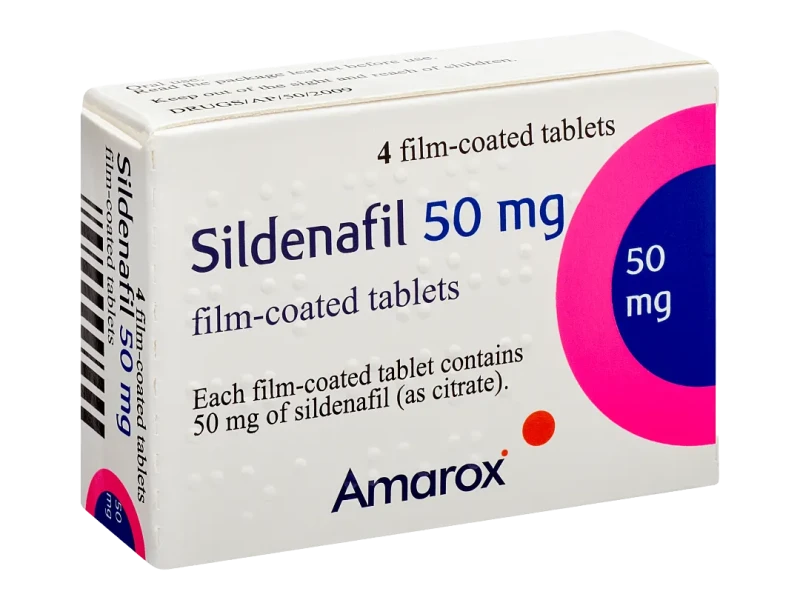
Sildenafil is a prescription medicine commonly used to treat erectile dysfunction (ED) in adult men. It belongs to a group of medicines called phosphodiesterase type 5 (PDE5) inhibitors. Sildenafil helps increase blood flow to the penis when a man is sexually aroused, which can make it easier to achieve and maintain an erection.
Sildenafil does not automatically cause an erection and does not increase sexual desire. Sexual stimulation is still required for the medicine to work. It is commonly known by the brand name Viagra, although sildenafil is also available as a generic medicine under different brand names.
How Does Sildenafil Work?
Sildenafil blocks an enzyme called PDE5. During sexual stimulation, the body naturally releases nitric oxide, which increases a chemical called cyclic GMP. This causes the smooth muscles in the blood vessels of the penis to relax, allowing more blood to flow into the erectile tissue.
PDE5 normally breaks down cyclic GMP. By blocking PDE5, sildenafil helps maintain the effects of cyclic GMP for longer, supporting the blood flow needed for an erection.
Sildenafil does not permanently improve erectile function. Its effect is temporary and generally lasts for several hours.
Sildenafil for Erectile Dysfunction
Erectile dysfunction is the inability to achieve or maintain an erection that is firm enough for satisfactory sexual activity. It can be associated with conditions such as diabetes, high blood pressure, cardiovascular disease, stress, anxiety or certain medicines.
Sildenafil can help manage the symptom, but it does not necessarily treat the underlying cause of ED. Men with persistent erectile difficulties may benefit from a medical evaluation to identify possible contributing health conditions.
Other Medical Use
Sildenafil is also used in specific doses and formulations to treat pulmonary arterial hypertension (PAH), a condition involving high blood pressure in the blood vessels of the lungs. The dosing for PAH is different from the dosing used for erectile dysfunction.
Patients should therefore use only the sildenafil formulation and dose prescribed for their particular condition.
Important Information
Sildenafil should not be taken with nitrate medicines, such as nitroglycerin, because the combination can cause a dangerous drop in blood pressure. It should also be used carefully in people with certain heart conditions or those taking medicines that affect blood pressure.
Sildenafil is not an aphrodisiac and should not be taken simply to increase sexual performance in people who do not have erectile dysfunction.
Uses
Sildenafil is primarily used to treat erectile dysfunction in adult men. It may also be prescribed for pulmonary arterial hypertension under specific medical supervision.
Erectile Dysfunction
The most common use of sildenafil is the treatment of erectile dysfunction. It helps increase blood flow to the penis during sexual stimulation, making it easier to achieve and maintain an erection.
Sildenafil does not create sexual desire and does not work without sexual stimulation.
Difficulty Maintaining an Erection
Some men can achieve an erection but have difficulty maintaining it during sexual activity. Sildenafil may help improve erectile firmness and maintenance by supporting blood flow to the penis.
Pulmonary Arterial Hypertension
Sildenafil is also used to treat pulmonary arterial hypertension. In this condition, the blood vessels in the lungs become narrowed or abnormal, making it harder for the heart to pump blood through the lungs.
For PAH, sildenafil works by relaxing blood vessels in the lungs and reducing resistance to blood flow. The dose and formulation used for PAH are different from those commonly used for erectile dysfunction.
Improving Blood Flow
Sildenafil's main pharmacological effect is to enhance the nitric oxide–cyclic GMP pathway and promote relaxation of certain blood vessels. This effect is responsible for its therapeutic action in both erectile dysfunction and pulmonary arterial hypertension.
Important Consideration
Sildenafil does not protect against sexually transmitted infections and does not act as a contraceptive. Appropriate protection should be used when needed.
Men experiencing erectile dysfunction regularly should consider speaking with a healthcare professional because persistent ED can sometimes be associated with underlying cardiovascular, metabolic or hormonal conditions.
Sildenafil should only be used according to medical advice, particularly in people with heart disease, low blood pressure or those taking other medicines.
Side Effects
Sildenafil can cause side effects, although many people tolerate it well. The likelihood and severity of side effects can depend on the dose, other medicines and the individual's health.
Headache
Headache is one of the most commonly reported side effects of sildenafil. It is usually mild and temporary, but a severe or persistent headache should be discussed with a healthcare professional.
Flushing
Some people may experience facial flushing or a feeling of warmth after taking sildenafil. This occurs because the medicine can cause blood vessels to widen.
Indigestion
Sildenafil may cause indigestion, stomach discomfort or heartburn in some users. These symptoms are usually temporary.
Nasal Congestion
A blocked or stuffy nose can occur because sildenafil affects blood vessels in the nasal passages.
Dizziness
Sildenafil can sometimes lower blood pressure and cause dizziness. People who feel dizzy should avoid driving or operating machinery until they feel normal again.
Visual Changes
Some people may experience temporary changes in vision, such as blurred vision or increased sensitivity to light. Although uncommon, sudden or significant changes in eyesight require immediate medical attention.
Low Blood Pressure
Sildenafil can lower blood pressure. This effect may become dangerous when the medicine is combined with nitrates or certain other medicines that lower blood pressure.
Prolonged Erection
A rare but serious side effect is priapism, an erection that lasts for an unusually long period and does not go away. An erection lasting more than four hours requires emergency medical treatment because permanent damage to the penis can occur.
Sudden Hearing or Vision Problems
Rare cases of sudden hearing or vision loss have been reported with PDE5 inhibitors. If sudden changes in hearing or eyesight occur, stop using the medicine and seek urgent medical attention.
Serious Allergic Reaction
A serious allergic reaction is uncommon but may cause swelling of the face, lips, tongue or throat, difficulty breathing or severe rash. Emergency medical help is required if these symptoms occur.
Dosage
The correct sildenafil dosage depends on the condition being treated, age, other medicines and overall health. For erectile dysfunction, sildenafil is generally taken when needed rather than as a regular daily medicine.
Usual Adult Dose for Erectile Dysfunction
For many adults with erectile dysfunction, the usual starting dose is 50 mg taken approximately one hour before sexual activity. Depending on effectiveness and side effects, a healthcare professional may adjust the dose to 25 mg or 100 mg.
Sildenafil should generally not be taken more than once in a 24-hour period.
Timing
Sildenafil can usually be taken approximately 30 minutes to 4 hours before sexual activity. It does not cause an automatic erection; sexual stimulation is necessary for the medicine to work.
Taking Sildenafil With Food
Sildenafil can be taken with or without food. However, taking it after a heavy or high-fat meal may delay how quickly it begins to work.
Older Adults
Older adults may be more sensitive to sildenafil and may sometimes be prescribed a lower starting dose depending on their health and other medicines.
Kidney or Liver Problems
People with significant kidney or liver impairment may require a lower starting dose because the medicine can remain in the body for longer.
The dose should only be adjusted by a healthcare professional.
Sildenafil for Pulmonary Arterial Hypertension
Sildenafil is also prescribed for pulmonary arterial hypertension, but the dosing schedule is different from the erectile dysfunction dose. Patients with PAH should follow the exact dose and schedule prescribed by their specialist.
Missed Dose
For erectile dysfunction, sildenafil is usually taken as needed, so there is generally no regular daily dose to replace if one is missed.
For pulmonary arterial hypertension, sildenafil may be taken on a regular schedule. If a dose is missed, follow the instructions provided by the prescribing healthcare professional and do not take extra medicine to compensate.
Overdose
Taking more sildenafil than prescribed can increase the risk of side effects such as severe headache, dizziness, visual disturbances, low blood pressure or rapid heartbeat.
If a large amount has been taken accidentally, seek medical advice promptly.
Medicines That Must Not Be Combined With Sildenafil
Sildenafil must not be taken with nitrate medicines, including nitroglycerin and certain medicines used to treat angina. Combining these medicines can cause a potentially dangerous fall in blood pressure.
It should also not be combined with recreational nitrate substances known as “poppers.”
Patients taking alpha-blockers or other medicines that lower blood pressure should tell their doctor before using sildenafil.
Alcohol
Large amounts of alcohol can make it more difficult to achieve an erection and may increase dizziness or low blood pressure when combined with sildenafil. Limiting alcohol is therefore advisable.
When to Seek Emergency Help
Seek immediate medical attention for an erection lasting more than four hours, sudden loss of vision, sudden hearing loss, severe chest pain, fainting or a serious allergic reaction.
Important: Sildenafil is a prescription medicine and should be used according to a healthcare professional's advice. Do not take it with nitrate medicines, and do not exceed the prescribed dose.
Note: This information is for general educational and SEO purposes and does not replace professional medical advice. The appropriate sildenafil dose varies according to the patient's health, medicines and medical condition.