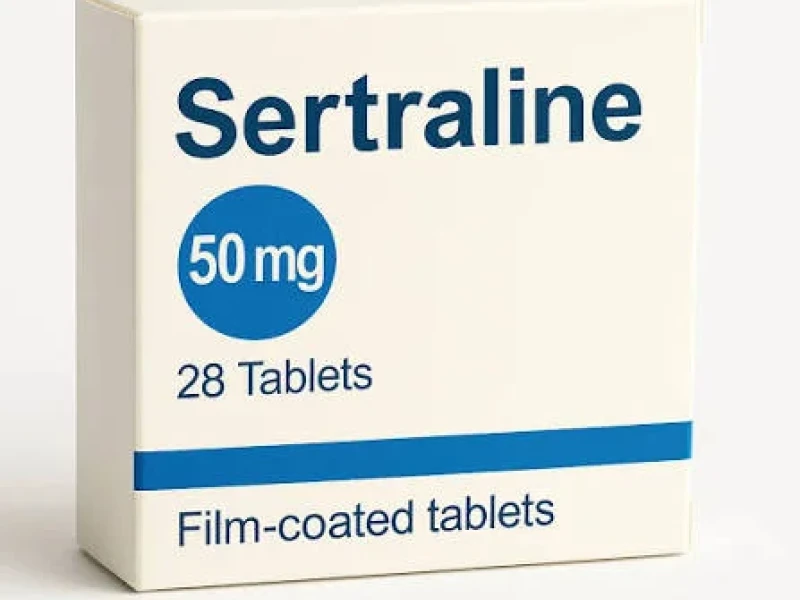
Description
What Is Sertraline?
Sertraline is a prescription antidepressant that belongs to a group of medicines called selective serotonin reuptake inhibitors (SSRIs). It is commonly used to treat depression and several anxiety-related and mental health conditions.
Sertraline works mainly by increasing the availability of serotonin, a chemical messenger involved in mood, emotions, sleep and other functions in the brain. By slowing the reuptake of serotonin between nerve cells, sertraline helps maintain more serotonin in the spaces between these cells.
Sertraline is available as tablets, capsules or oral liquid depending on the product and country. It is generally taken once daily and may be prescribed for several months or longer depending on the condition and response to treatment.
How Does Sertraline Work?
Sertraline selectively blocks the reuptake of serotonin in the brain. This allows serotonin to remain available for longer between nerve cells.
The effects are not usually immediate. Some people notice improvements in sleep, appetite or anxiety during the first few weeks, while improvement in depression and other symptoms may take several weeks.
Sertraline should therefore be taken regularly rather than only when symptoms appear.
Sertraline as an SSRI
SSRIs are commonly used because they can effectively treat depression and anxiety disorders without the same dependence pattern associated with benzodiazepines such as diazepam or clonazepam.
However, sertraline can still cause side effects and should not be stopped suddenly after regular use without medical advice.
Important Information
Sertraline may initially cause nausea, headache, diarrhea, sleep changes or increased anxiety in some people. These effects may improve as the body adjusts to treatment.
A small number of people, particularly younger patients, may experience worsening mood or suicidal thoughts when starting an antidepressant or changing the dose. Any significant change in mood or behavior should be taken seriously.
Uses
Depression
Sertraline is widely prescribed for major depressive disorder.
Depression can involve persistent sadness, loss of interest, low energy, sleep problems, difficulty concentrating and changes in appetite. Sertraline can help improve these symptoms over time.
Treatment usually requires regular daily use and continued monitoring by a healthcare professional.
Generalized Anxiety Symptoms
Sertraline may be prescribed for certain anxiety disorders and can help reduce excessive worry, nervousness and physical symptoms associated with anxiety.
The medicine generally takes time to produce its full therapeutic effect.
Panic Disorder
Sertraline can be used to treat panic disorder, which involves recurrent panic attacks and fear of experiencing additional attacks.
Treatment may initially cause temporary increases in anxiety in some patients, so doctors may begin with a lower dose and increase it gradually.
Obsessive-Compulsive Disorder
Sertraline is an established treatment for obsessive-compulsive disorder (OCD).
OCD involves unwanted intrusive thoughts and repetitive behaviors or mental acts. Sertraline can reduce the frequency and intensity of these symptoms.
It may take several weeks or longer to achieve significant improvement.
Post-Traumatic Stress Disorder
Sertraline may be prescribed for post-traumatic stress disorder (PTSD).
It can help reduce symptoms such as persistent anxiety, intrusive memories, avoidance and changes in mood associated with traumatic experiences.
Social Anxiety Disorder
Sertraline can also be used for social anxiety disorder, where a person experiences intense fear or anxiety in social or performance situations.
Treatment can help reduce excessive anxiety and improve daily functioning over time.
Premenstrual Dysphoric Disorder
Sertraline may be used to manage premenstrual dysphoric disorder (PMDD), a severe form of premenstrual symptoms associated with significant mood and behavioral changes.
Depending on the treatment plan, it may be taken continuously or during a specific part of the menstrual cycle.
Important Consideration
Sertraline is not an immediate-relief medicine for sudden anxiety or panic. It is designed for regular treatment, and its benefits generally develop gradually.
Side Effects
Sertraline can cause side effects, especially during the first few weeks of treatment.
Nausea
Nausea is one of the most common side effects of sertraline.
It is often more noticeable when treatment begins and may become less troublesome as the body adjusts.
Diarrhea
Sertraline can increase bowel activity and may cause loose stools or diarrhea.
Persistent or severe diarrhea should be discussed with a healthcare professional.
Headache
Some patients experience headaches after starting sertraline.
Mild headaches may improve with continued treatment, but severe or persistent headaches require medical evaluation.
Dizziness
Dizziness or lightheadedness can occur, particularly during the early stages of treatment.
Use caution when standing quickly or performing activities requiring concentration.
Dry Mouth
Some people may experience a dry mouth while taking sertraline.
Drinking water regularly and maintaining good oral hygiene may help manage this symptom.
Sleep Problems
Sertraline can cause either insomnia or sleepiness, depending on the individual.
If it causes difficulty sleeping, your doctor may recommend taking it at a different time of day.
Fatigue
Tiredness or reduced energy can occur, particularly during the initial treatment period.
Increased Anxiety
Some people notice increased nervousness, restlessness or anxiety when they first start an SSRI.
This effect may improve with time, but severe or worsening anxiety should be reported to a healthcare professional.
Sexual Side Effects
Sertraline can cause decreased sexual desire, difficulty reaching orgasm or other sexual problems in some patients.
If these effects become troublesome, discuss them with your doctor rather than stopping the medicine independently.
Weight Changes
Changes in appetite or body weight can occur during longer-term treatment. The effect varies from person to person.
Emotional Changes
Rarely, patients may experience significant mood or behavioral changes, including agitation, unusual excitement or worsening depression.
New suicidal thoughts or self-harm thoughts require immediate professional help.
Serotonin Syndrome
Sertraline can rarely contribute to serotonin syndrome, particularly when combined with other medicines that increase serotonin.
Symptoms may include agitation, confusion, sweating, fever, rapid heartbeat, muscle stiffness or tremors.
This can be a medical emergency and requires urgent treatment.
Severe Allergic Reaction
A serious allergic reaction is uncommon but may cause swelling of the face or throat, difficulty breathing or a severe rash.
Emergency medical attention is required if these symptoms occur.
Dosage
Individualized Dose
The correct sertraline dose depends on the condition being treated, age, response to treatment and other medicines being used.
Doctors often start treatment with a lower dose and gradually increase it when necessary.
Usual Adult Starting Dose
For many adult conditions, the usual starting dose is 50 mg once daily.
For some anxiety-related conditions, panic disorder or PTSD, treatment may begin at 25 mg once daily before increasing the dose.
The maximum commonly recommended adult dose is 200 mg per day, but not everyone requires a high dose.
Depression Dose
Sertraline is commonly started at 50 mg once daily for adults with depression, although the doctor may select a lower starting dose depending on the patient's circumstances.
Dose adjustments are usually made gradually after assessing response and side effects.
OCD Dose
Adults with OCD may be prescribed sertraline starting at 50 mg daily, with gradual increases if necessary.
Higher doses may be used under medical supervision.
Panic Disorder and PTSD
Treatment may begin at a lower dose, such as 25 mg daily, to reduce the chance of early side effects or increased anxiety.
The dose may then be increased according to the patient's response.
Children's Dosage
Sertraline can be prescribed for OCD in children and adolescents in appropriate circumstances.
Pediatric dosing should be determined by a qualified healthcare professional because age, weight and clinical condition need to be considered.
Older Adults
Older adults may be more sensitive to certain SSRI-related effects.
Doctors may use a cautious starting dose and monitor for low sodium levels, dizziness, falls and other complications.
Liver Problems
People with liver disease may require a lower dose because sertraline is processed by the liver.
Tell your doctor about any liver condition before starting treatment.
How to Take Sertraline
Sertraline is generally taken once daily, either in the morning or evening.
It can usually be taken with or without food. Try to take it at approximately the same time each day.
Follow the instructions for your specific formulation.
Missed Dose
If you forget a dose, take it when you remember unless it is close to the next scheduled dose.
If the next dose is near, skip the missed dose and continue with your normal schedule.
Do not take two doses together to compensate for a missed dose.
Overdose
Taking too much sertraline can cause nausea, vomiting, dizziness, agitation, tremors, drowsiness or changes in heart rate.
An overdose can become more serious when sertraline is combined with other medicines or substances.
Seek urgent medical advice if an overdose is suspected.
Sertraline and Alcohol
Alcohol may worsen some side effects of sertraline, including dizziness, drowsiness and impaired judgment.
It is generally advisable to avoid or limit alcohol while taking sertraline and discuss its use with your healthcare professional.
Sertraline and Other Medicines
Sertraline can interact with other medicines.
Tell your doctor if you use antidepressants, migraine medicines, blood thinners, seizure medicines, painkillers or herbal supplements.
Particular caution is needed with medicines that increase serotonin because of the risk of serotonin syndrome.
Sertraline and NSAIDs
Medicines such as ibuprofen, naproxen and aspirin may increase the risk of bleeding when combined with SSRIs such as sertraline.
If you regularly use these medicines, discuss them with your doctor or pharmacist.
Sertraline and Blood Thinners
Sertraline can increase bleeding risk when combined with anticoagulants or antiplatelet medicines.
Patients taking warfarin or similar medicines may require additional monitoring.
Pregnancy
If you are pregnant, planning pregnancy or breastfeeding, discuss sertraline with your healthcare professional.
Do not stop sertraline suddenly because of pregnancy without medical advice, as untreated depression or anxiety can also have important health consequences.
Breastfeeding
Sertraline passes into breast milk in small amounts and is commonly considered one of the SSRIs that may be used during breastfeeding when clinically appropriate.
The decision should be made with a healthcare professional who can consider the mother's condition and the baby's health.
Stopping Sertraline
Sertraline should generally not be stopped suddenly after regular use.
Sudden discontinuation can cause withdrawal or discontinuation symptoms such as dizziness, nausea, irritability, anxiety, sleep problems and unusual sensory sensations.
A doctor can gradually reduce the dose when treatment needs to be discontinued.
How Long Does Sertraline Take to Work?
Some symptoms may begin improving within the first few weeks, but the full benefit can take several weeks or longer.
Continue taking sertraline as prescribed even if improvement is not immediate.
Long-Term Treatment
Some people need antidepressant treatment for many months or longer to prevent symptoms from returning.
The need for continued treatment should be reviewed regularly with a healthcare professional.
When to Seek Medical Help
Seek urgent medical attention for severe allergic reactions, serotonin syndrome symptoms, seizures, severe agitation, unusual behavior or thoughts of self-harm.
Contact your doctor if side effects persist, depression worsens or the medicine does not appear to be helping after an appropriate treatment period.
Important Dosage Advice
Sertraline is a prescription antidepressant and should be taken exactly as directed. Do not increase the dose or stop treatment suddenly without medical advice. Because sertraline can interact with other medicines and may initially affect mood or anxiety, regular follow-up is important.
Note: This information is for general educational and SEO purposes and does not replace advice from a qualified doctor or pharmacist. The appropriate sertraline dose and treatment duration depend on the medical condition, age, response to treatment, liver function and other medicines being used.