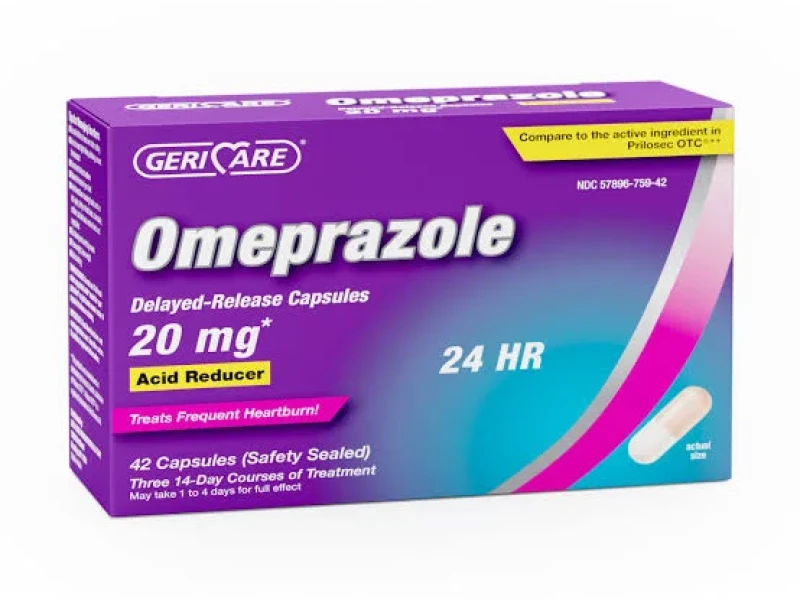
Description
What Is Omeprazole?
Omeprazole is a medicine commonly used to reduce excessive stomach acid. It belongs to a group of medicines called proton pump inhibitors (PPIs). Omeprazole works by reducing the amount of acid produced by specialized cells in the stomach.
It is commonly used for acid reflux, heartburn, gastroesophageal reflux disease (GERD), stomach and duodenal ulcers, and other acid-related digestive conditions. It can also be included in combination treatment to help eliminate Helicobacter pylori (H. pylori), a bacterium associated with certain stomach ulcers.
By lowering stomach acid, omeprazole can relieve acid-related symptoms and give damaged tissues in the esophagus or stomach an opportunity to heal.
Omeprazole is available as capsules, tablets and some oral liquid formulations. The strength and treatment duration depend on the condition being treated and the patient's medical needs.
How Does Omeprazole Work?
Omeprazole blocks an enzyme known as the H+/K+ ATPase, often called the stomach's proton pump. This pump is responsible for the final stage of stomach acid production.
When the proton pump is inhibited, less acid enters the stomach. Reduced acidity can relieve heartburn and acid reflux and support healing of acid-damaged tissues.
Omeprazole does not provide instant neutralization of acid like some antacids. Its acid-suppressing effect develops over time with regular use.
Omeprazole for Acid Reflux
Acid reflux occurs when stomach contents move upward into the esophagus. This can cause burning in the chest, sour taste, regurgitation and discomfort.
Omeprazole reduces stomach acid, which can make reflux symptoms less irritating and help heal inflammation caused by repeated acid exposure.
Omeprazole and Stomach Protection
In certain people who regularly use medicines such as NSAIDs, omeprazole may be prescribed to reduce the risk of acid-related stomach irritation and ulcers.
The need for protective treatment depends on the individual's risk factors and medication use.
Important Information
Omeprazole should be used according to the recommended dose and duration. Long-term or unnecessary use may increase the risk of certain complications, including vitamin B12 deficiency, low magnesium levels, bone fractures in some high-risk patients and certain gastrointestinal infections.
Uses
Heartburn
Omeprazole is commonly used to treat frequent heartburn caused by excess stomach acid or acid reflux.
It reduces acid production and can provide longer-lasting control than simple antacids.
Gastroesophageal Reflux Disease
One of the main uses of omeprazole is gastroesophageal reflux disease (GERD).
GERD can cause frequent heartburn, regurgitation, chest discomfort and other symptoms due to repeated reflux of stomach contents into the esophagus.
Omeprazole can reduce acid exposure and help heal reflux-related inflammation.
Acid Reflux
Omeprazole may be recommended for people who experience recurring acid reflux.
Reducing stomach acid can decrease irritation and improve symptoms over the course of treatment.
Gastric Ulcers
Omeprazole can help treat stomach ulcers by reducing acid and allowing the damaged stomach lining to heal.
If an ulcer is caused by H. pylori or certain medicines, additional treatment may be required.
Duodenal Ulcers
Omeprazole is also used for ulcers affecting the duodenum, the first part of the small intestine.
Reducing acid helps create a more favorable environment for healing.
H. pylori Infection
Omeprazole is often combined with antibiotics to treat H. pylori infection.
The combination may include two antibiotics and an acid-suppressing medicine, depending on local treatment recommendations and antibiotic resistance patterns.
Omeprazole alone cannot eradicate H. pylori.
NSAID-Related Ulcers
People who regularly use non-steroidal anti-inflammatory drugs such as ibuprofen or naproxen may be at increased risk of stomach ulcers.
In selected high-risk patients, omeprazole may be prescribed to help prevent or treat NSAID-related ulcers.
Zollinger-Ellison Syndrome
Omeprazole may be used to control excessive acid production in rare conditions such as Zollinger-Ellison syndrome, in which certain tumors cause unusually high gastric acid production.
These patients may require specialized medical supervision and higher doses.
Acid-Related Esophageal Inflammation
Omeprazole may help heal erosive esophagitis, an inflammation or damage of the esophagus caused by repeated exposure to stomach acid.
Important Consideration
Not every case of stomach pain or indigestion is caused by excess acid. Persistent digestive symptoms should be evaluated rather than treated indefinitely with omeprazole without medical advice.
Side Effects
Most people tolerate omeprazole well, but side effects can occur.
Headache
Headache is one of the commonly reported side effects of omeprazole.
It is usually mild, but persistent or severe headaches should be discussed with a healthcare professional.
Nausea
Some people may experience nausea while taking omeprazole.
If nausea is severe or persistent, medical advice should be considered.
Abdominal Pain
Omeprazole can occasionally cause abdominal discomfort, cramps or stomach pain.
Severe or unexplained abdominal pain should not be ignored.
Diarrhea
Diarrhea may occur during treatment.
Persistent or severe diarrhea, particularly if accompanied by fever or blood, requires medical assessment because acid-suppressing medicines can be associated with certain intestinal infections.
Constipation
Some patients may experience constipation.
Adequate fluids, dietary fiber and regular physical activity may help when appropriate.
Gas and Bloating
Changes in digestion can sometimes cause gas, bloating or increased belching.
These symptoms are usually mild but should be reported if they persist.
Dizziness
Dizziness can occur in some people taking omeprazole.
Use caution if you feel lightheaded, particularly when standing up.
Vitamin B12 Deficiency
Long-term acid suppression may reduce the absorption of vitamin B12 in some people.
This is more relevant with prolonged treatment and certain risk factors.
Low Magnesium
Long-term use of PPIs has been associated with low magnesium levels, particularly in patients receiving treatment for extended periods.
Symptoms can include muscle cramps, weakness, tremors or abnormal heart rhythms.
Bone Fracture Risk
Long-term or high-dose PPI use may be associated with an increased risk of fractures in some people, particularly those who already have risk factors for osteoporosis.
Kidney Problems
Rarely, omeprazole can cause an inflammatory kidney condition known as acute interstitial nephritis.
Symptoms may include reduced urine output, blood in the urine, fever or unexplained fatigue.
Serious Allergic Reaction
A serious allergic reaction is uncommon but may cause facial or throat swelling, difficulty breathing, widespread rash or fainting.
Emergency medical attention is required if these symptoms occur.
Dosage
Individualized Dosage
The appropriate omeprazole dose depends on the condition being treated, age, response to treatment and other medical factors.
Doctors generally prescribe the lowest effective dose for the appropriate duration.
Usual Adult Dose for GERD
For symptomatic GERD, a commonly used adult dose is 20 mg once daily.
Some patients may require a different dose or treatment duration depending on the severity of symptoms and whether the esophagus is damaged.
Dose for Stomach and Duodenal Ulcers
Treatment of ulcers may involve 20 mg once daily, although the exact dose and duration depend on the ulcer's cause and severity.
Ulcers associated with H. pylori require combination therapy with antibiotics.
H. pylori Treatment
Omeprazole may be prescribed as part of a combination regimen for H. pylori.
The dose and duration depend on the specific eradication regimen recommended by the healthcare professional.
Zollinger-Ellison Syndrome
People with excessive acid production may require higher or more frequent doses.
Such treatment should be supervised by a specialist.
Children's Dosage
Omeprazole can be prescribed to children for selected acid-related conditions.
The dose is usually based on age, body weight and the medical condition.
Parents should not give adult-strength omeprazole to a child without medical advice.
Older Adults
Older adults can generally use omeprazole when medically appropriate.
Doctors may consider kidney function, other medicines and the reason for long-term acid suppression.
Liver Problems
People with significant liver impairment may require dose adjustments because omeprazole is extensively metabolized by the liver.
Tell your doctor if you have liver disease.
How to Take Omeprazole
Omeprazole is commonly taken before a meal, often in the morning.
Delayed-release capsules or tablets should be swallowed according to the product instructions. Some formulations should not be crushed or chewed because this can interfere with their special coating or release mechanism.
Missed Dose
If you forget a dose, take it when you remember unless it is nearly time for the next dose.
If the next dose is close, skip the missed dose and continue with your normal schedule.
Do not take two doses together to compensate for a missed dose.
Overdose
Taking more omeprazole than prescribed may cause nausea, headache, dizziness, abdominal discomfort or other symptoms.
If a large amount has been taken accidentally, contact a healthcare professional or emergency service for guidance.
Omeprazole and Other Medicines
Omeprazole can interact with certain medicines by changing stomach acidity or affecting how some drugs are metabolized.
Tell your doctor or pharmacist about all prescription medicines, over-the-counter products and supplements you take.
Omeprazole and Clopidogrel
Omeprazole can interfere with the activation of clopidogrel, potentially reducing its antiplatelet effect.
People taking clopidogrel should not start or stop omeprazole without consulting their doctor. Another acid-reducing medicine may sometimes be preferred.
Omeprazole and Warfarin
Omeprazole may interact with warfarin in some patients.
People taking warfarin may require appropriate monitoring of blood clotting when medicines are changed.
Omeprazole and Methotrexate
High-dose methotrexate can interact with PPIs such as omeprazole and may result in delayed elimination of methotrexate.
Tell your doctor if you receive methotrexate treatment.
Omeprazole and Antacids
Antacids may sometimes be used alongside omeprazole, but the timing depends on the specific products.
Ask a pharmacist if you are using multiple acid-reducing medicines.
Omeprazole During Pregnancy
If you are pregnant or planning pregnancy, discuss omeprazole with your healthcare professional.
It may be used when clinically necessary, but the decision should consider the severity of symptoms and available treatment options.
Do not stop essential treatment without medical advice.
Omeprazole and Breastfeeding
Omeprazole passes into breast milk in small amounts and may be used during breastfeeding when considered appropriate.
Discuss long-term or high-dose treatment with your healthcare professional.
Long-Term Use of Omeprazole
Some people require long-term PPI therapy for conditions such as severe GERD or certain ulcer-related disorders.
However, long-term use should be reviewed periodically to determine whether the medicine is still necessary.
Your doctor may consider reducing the dose or stopping treatment when appropriate.
Rebound Acid Symptoms
After long-term use, stopping omeprazole suddenly can sometimes lead to rebound acid production.
This may temporarily cause increased heartburn or acid-related symptoms.
If you have been taking omeprazole regularly for a long time, ask your healthcare professional about the safest way to reduce or discontinue it.
Lifestyle Measures for Acid Reflux
Lifestyle changes can support treatment for reflux symptoms.
Helpful measures may include avoiding large meals, identifying foods that trigger symptoms, maintaining a healthy weight, avoiding smoking and remaining upright for a period after eating.
Some people also benefit from avoiding late-night meals.
When to See a Doctor
Seek medical evaluation if heartburn occurs frequently, symptoms continue despite treatment or swallowing becomes difficult.
Urgent medical attention is needed for vomiting blood, black or tarry stools, severe chest pain, unexplained weight loss or persistent vomiting.
These symptoms can indicate a more serious condition and should not simply be treated with an acid-reducing medicine.
Important Dosage Advice
Omeprazole should be taken exactly as recommended. Do not use it continuously for long periods without medical review, particularly if you are taking other medicines or have ongoing digestive symptoms.
Note: This information is for general educational and SEO purposes and does not replace advice from a qualified doctor or pharmacist. The appropriate omeprazole dose and treatment duration depend on the medical condition, age, liver function, other medicines and individual response to treatment.