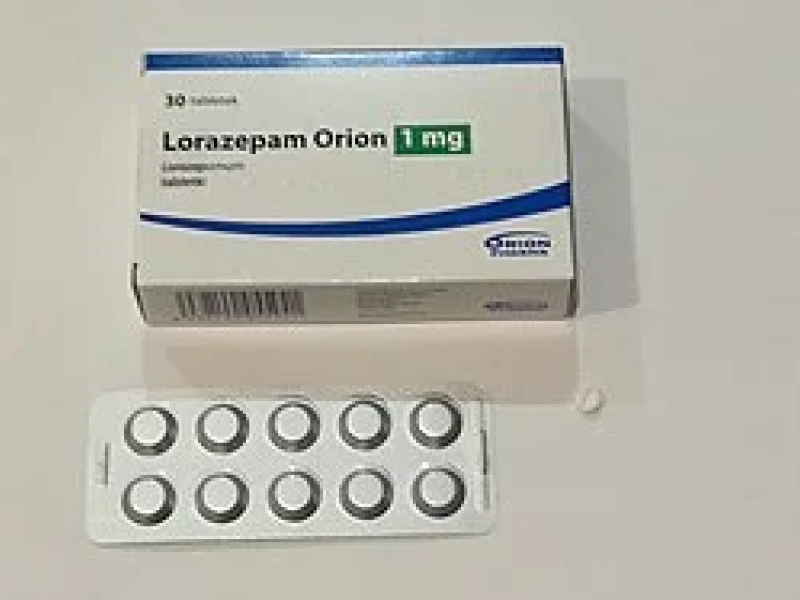
Description
What Is Lorazepam?
Lorazepam is a prescription medicine that belongs to a group of medicines called benzodiazepines. It works on the central nervous system and is mainly used for the short-term management of anxiety, severe anxiety-related symptoms and certain other medical conditions. In some situations, lorazepam may also be used to help control seizures or to produce sedation before a medical procedure.
Lorazepam works by increasing the activity of gamma-aminobutyric acid (GABA), a natural chemical in the brain that reduces excessive nervous-system activity. This produces calming, relaxing and sedative effects.
Because lorazepam can cause physical dependence and withdrawal symptoms, it should only be used under the supervision of a qualified healthcare professional. It is generally intended for short-term or carefully monitored treatment rather than unsupervised long-term use.
How Does Lorazepam Work?
Lorazepam enhances the effects of GABA in the brain. GABA slows down excessive nerve activity, which can help reduce feelings of anxiety and nervousness.
The medicine can also cause muscle relaxation, drowsiness and sedation. These effects explain why lorazepam may be used for anxiety, certain seizure conditions and procedural sedation.
Lorazepam for Anxiety
Lorazepam may provide relatively rapid relief of significant anxiety symptoms. However, it does not necessarily treat the underlying cause of chronic anxiety.
For long-term anxiety disorders, doctors may consider other treatment approaches, including psychotherapy and medicines that are more suitable for ongoing management.
Important Safety Information
Lorazepam can cause drowsiness, dizziness, impaired coordination and reduced alertness. Do not drive or operate machinery until you know how it affects you.
Combining lorazepam with opioid pain medicines, alcohol or other medicines that cause sedation can dangerously slow breathing and may lead to severe sedation, coma or death.
Lorazepam can also cause dependence, particularly when taken regularly or at higher doses. It should not be stopped suddenly after prolonged use because withdrawal symptoms can be serious.
Uses
Anxiety Disorders
One of the main uses of lorazepam is the short-term treatment of significant anxiety symptoms. It can reduce excessive nervousness, tension, restlessness and feelings of fear.
Because of its potential for dependence, doctors generally use the lowest effective dose for the shortest appropriate period.
Short-Term Relief of Severe Anxiety
Lorazepam may be prescribed when anxiety symptoms become severe enough to interfere with daily activities, sleep or normal functioning.
It is not usually intended to be used continuously without medical monitoring.
Panic Symptoms
In selected situations, lorazepam may be used to help control acute panic or severe anxiety symptoms. However, people who experience frequent panic attacks may require a longer-term treatment plan rather than relying only on lorazepam.
Seizure Control
Lorazepam can be used in medical settings to help control certain prolonged or repeated seizures, including status epilepticus. Injectable lorazepam is commonly used in emergency situations under professional supervision.
This use requires careful monitoring because the medicine can significantly depress the central nervous system and breathing.
Sedation Before Medical Procedures
Lorazepam may sometimes be prescribed before a medical or dental procedure to help reduce anxiety and produce sedation.
When used for this purpose, the patient should follow the healthcare professional's instructions carefully and should not drive afterward.
Sleep Problems Related to Anxiety
Because lorazepam has a sedating effect, it may sometimes help with short-term sleep difficulties associated with anxiety. However, it is not generally considered a preferred long-term treatment for insomnia because of the risk of tolerance and dependence.
Muscle Relaxation
Lorazepam has muscle-relaxing properties and may sometimes reduce muscle tension. However, it should not be used specifically for muscle problems unless prescribed for that purpose.
Important Consideration
Lorazepam is not suitable for every person with anxiety or sleep difficulties. A doctor should evaluate the cause and severity of symptoms before prescribing it.
If anxiety is persistent, worsening or associated with severe depression or thoughts of self-harm, professional medical help should be obtained rather than relying on lorazepam alone.
Side Effects
Drowsiness is one of the most common side effects of lorazepam. The medicine can make a person feel sleepy or less alert.
Avoid driving and activities requiring concentration until you know how strongly the medicine affects you.
Dizziness
Lorazepam may cause dizziness or lightheadedness. This can increase the risk of falls, especially in older adults.
Stand up slowly and use extra caution when walking if you feel unsteady.
Weakness and Tiredness
Some people experience tiredness, weakness or reduced energy while taking lorazepam. These effects may be more noticeable after starting treatment or increasing the dose.
Poor Coordination
Lorazepam can affect balance and coordination. This is particularly important for older adults, who may have a higher risk of falls.
Memory and Concentration Problems
Benzodiazepines such as lorazepam can sometimes cause problems with concentration, memory or mental alertness.
These effects may become more noticeable with higher doses or when lorazepam is combined with other sedating substances.
Nausea
Some people may experience nausea or other digestive symptoms. Persistent or severe symptoms should be discussed with a healthcare professional.
Confusion
Confusion or unusual changes in behavior can occur, particularly in older adults or people taking other medicines that affect the brain.
Breathing Problems
A serious risk occurs when lorazepam is combined with opioids, alcohol or other central nervous system depressants. This combination can cause dangerously slow or difficult breathing.
Seek emergency medical attention if someone taking lorazepam becomes extremely sleepy, difficult to wake or develops slow or abnormal breathing.
Dependence and Withdrawal
Regular use of lorazepam can lead to physical dependence. Stopping suddenly after prolonged treatment can cause withdrawal symptoms such as anxiety, irritability, insomnia, shaking and, in severe cases, seizures.
For this reason, long-term lorazepam treatment should generally be reduced gradually under medical supervision.
Serious Allergic Reaction
A serious allergic reaction is uncommon but may cause swelling of the face, lips, tongue or throat, difficulty breathing or a severe rash. Emergency treatment is required if these symptoms occur.
Dosage
Usual Adult Dosage for Anxiety
The appropriate lorazepam dose depends on the severity of symptoms, age, medical history and other medicines being taken. For anxiety, doctors commonly prescribe a low dose divided into several doses during the day, with the exact amount determined individually.
The medicine should be taken only according to the prescription.
Dosage for Sleep Problems
When lorazepam is prescribed for short-term insomnia associated with anxiety, it may be taken at bedtime. The exact dose and treatment duration should be determined by a healthcare professional.
Because of its dependence potential, it should not be used for sleep problems on a long-term basis without medical supervision.
Dosage Before a Procedure
When used for pre-procedure sedation, the dose and timing are selected by the healthcare professional based on the patient's age, health and procedure.
Patients should arrange for appropriate transportation and should not drive after receiving a sedating dose.
Injectable Lorazepam for Seizures
Lorazepam injection may be used by healthcare professionals for emergency seizure treatment. The dose is based on factors such as the patient's age, weight and medical condition and requires appropriate monitoring.
This is not a situation in which patients should self-administer or adjust the medicine.
Older Adults
Older adults may be more sensitive to lorazepam and may experience greater sedation, confusion or loss of coordination. Doctors often use lower doses in elderly patients when treatment is necessary.
How to Take Lorazepam
Take lorazepam exactly as prescribed. It may be taken with or without food, depending on the specific product and instructions.
Do not take more than prescribed, even if the usual dose does not seem to provide enough relief.
Missed Dose
If lorazepam is being taken on a regular schedule and a dose is missed, take it when remembered unless it is almost time for the next dose.
Do not take two doses together to make up for a missed dose.
If lorazepam is being used only when needed, follow the specific instructions provided by your doctor.
Overdose
An overdose can cause extreme drowsiness, confusion, poor coordination, loss of consciousness and dangerously slowed breathing, particularly when combined with alcohol or opioids.
A suspected overdose requires urgent medical attention.
Lorazepam and Alcohol
Alcohol should be avoided while taking lorazepam. Both substances can depress the central nervous system, increasing the risk of severe drowsiness, impaired coordination and breathing problems.
Lorazepam and Opioids
Combining lorazepam with opioid medicines can cause profound sedation, respiratory depression, coma and death. Tell your doctor if you use opioid painkillers or other medicines that cause significant sedation.
Pregnancy and Breastfeeding
Lorazepam should only be used during pregnancy when specifically recommended by a healthcare professional. Benzodiazepines can affect the newborn when used close to delivery.
People who are breastfeeding should also consult their doctor before using lorazepam because the medicine can pass into breast milk.
Stopping Lorazepam
Do not suddenly stop lorazepam if you have been taking it regularly for an extended period. Abrupt discontinuation can cause withdrawal symptoms and, in some cases, seizures.
A healthcare professional can create a gradual dose-reduction plan when treatment needs to end.
When to Seek Medical Help
Seek emergency medical attention if there is severe difficulty breathing, extreme sleepiness, loss of consciousness, severe confusion or a seizure.
A new or severe allergic reaction also requires immediate medical care.
Important Dosage Advice
Lorazepam is a prescription benzodiazepine and should be used only according to professional medical advice. Never share it with another person, increase the dose yourself or combine it with alcohol or recreational sedatives.
Note: This information is for general educational and SEO purposes and does not replace advice from a qualified doctor or pharmacist. Lorazepam dosing and treatment duration must be individualized, particularly for older adults and people taking other medicines that cause sedation.