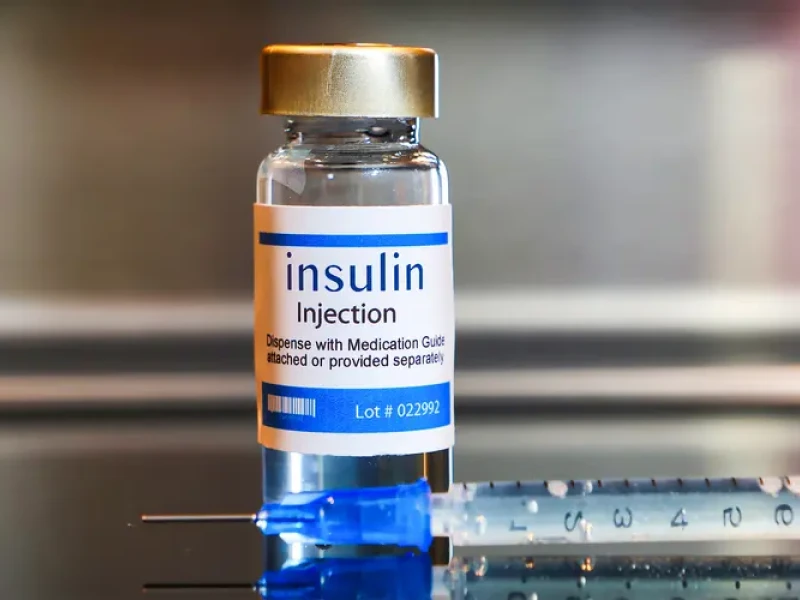
Description
What Is Insulin?
Insulin is a hormone that plays a central role in controlling blood sugar (glucose) levels in the body. It is naturally produced by the beta cells of the pancreas. After a person eats, carbohydrates are broken down into glucose, which enters the bloodstream. The pancreas normally releases insulin to help move glucose from the blood into cells, where it can be used for energy.
People with type 1 diabetes do not produce enough insulin and require insulin replacement for survival. Some people with type 2 diabetes may also need insulin when their body does not produce enough insulin or when other treatments are unable to keep blood glucose within the desired range.
Insulin is also used in certain cases of gestational diabetes and other conditions involving high blood glucose.
How Does Insulin Work?
Insulin helps glucose move from the bloodstream into muscle and other body cells. It also reduces the amount of glucose released by the liver.
When insulin is insufficient or does not work effectively, glucose can remain in the bloodstream, causing high blood sugar. Regular insulin treatment can help restore better glucose control when the body cannot produce or use enough of its own insulin.
Different Types of Insulin
Insulin products differ mainly in how quickly they start working and how long their effects last.
Common categories include rapid-acting, short-acting, intermediate-acting and long-acting insulin. Some products are combinations of different insulin types.
The correct insulin depends on factors such as diabetes type, eating schedule, blood glucose pattern, lifestyle and treatment goals.
Insulin and Diabetes Management
Insulin is one of the most important treatments for diabetes. For people with type 1 diabetes, it replaces the insulin the pancreas can no longer produce adequately.
For people with type 2 diabetes, insulin may be introduced when blood glucose remains high despite lifestyle changes and other medicines, or when blood sugar needs to be controlled more quickly.
Important Information
Insulin is a high-alert medicine, meaning dosing errors can cause serious harm. The strength, type and timing of insulin must always be checked carefully.
Never change your insulin dose, type or injection schedule without medical advice.
Uses
Type 1 Diabetes
Insulin is essential for people with type 1 diabetes because the pancreas produces little or no insulin.
Regular insulin replacement allows glucose to enter cells and helps prevent dangerously high blood sugar and diabetic ketoacidosis.
Type 2 Diabetes
Some people with type 2 diabetes eventually require insulin when the pancreas cannot produce enough insulin to meet the body's needs.
Insulin may be prescribed alone or alongside other diabetes medicines.
Gestational Diabetes
Insulin may be recommended during pregnancy when blood glucose cannot be adequately controlled through diet and physical activity.
It can help maintain blood sugar within the target range while minimizing complications associated with uncontrolled maternal hyperglycemia.
Diabetic Ketoacidosis
Insulin is an important part of hospital treatment for diabetic ketoacidosis (DKA), a serious complication usually associated with severe insulin deficiency.
DKA requires urgent medical treatment, and insulin is administered with careful monitoring of glucose and electrolytes.
Hyperglycemia During Illness
People with diabetes can experience increased blood glucose during infections, illness or periods of physical stress. Insulin may be adjusted temporarily under medical supervision to maintain appropriate glucose control.
Blood Sugar Control During Hospital Treatment
Insulin may be used in hospitals when blood glucose needs close control, including around certain surgical procedures or during serious illnesses.
Important Consideration
Insulin does not cure diabetes, but it helps control blood glucose and reduce the risk of complications.
The treatment plan should be individualized because insulin requirements can change with food intake, physical activity, illness, stress, pregnancy and other factors.
Side Effects
Low Blood Sugar
The most important side effect of insulin is hypoglycemia, or low blood glucose.
It may occur when too much insulin is taken compared with the amount of food eaten, after unusually intense physical activity or because of other factors affecting glucose levels.
Symptoms of Low Blood Sugar
Symptoms can include:
Shaking
Sweating
Hunger
Fast heartbeat
Dizziness
Weakness
Headache
Blurred vision
Confusion
Irritability
Severe hypoglycemia can cause seizures, loss of consciousness and may become life-threatening.
Injection-Site Reactions
Insulin injections can sometimes cause redness, itching, swelling or mild discomfort at the injection site.
Rotating injection sites can help reduce repeated irritation.
Lipodystrophy
Repeatedly injecting insulin into the same area can cause changes in the fatty tissue beneath the skin. This may appear as lumps, thickened areas or indentations.
Using different injection sites as instructed can help prevent this problem.
Weight Gain
Some people gain weight after starting insulin treatment, particularly when blood glucose control improves and the body begins using glucose more effectively.
A balanced diet and appropriate physical activity can help manage weight.
Swelling
Insulin can occasionally cause fluid retention, resulting in swelling of the hands, feet or ankles.
Persistent or significant swelling should be discussed with a healthcare professional.
Allergic Reaction
A serious allergic reaction to insulin is uncommon but possible. Symptoms may include widespread rash, swelling of the face or throat, difficulty breathing or severe dizziness.
Emergency medical attention is required if these symptoms occur.
Low Potassium
Insulin can temporarily shift potassium from the bloodstream into cells. Significant reductions in potassium can occur in certain medical situations, particularly when insulin is administered intensively in a hospital.
Changes in Blood Sugar
Insulin dosing must be balanced carefully. Taking too little can result in high blood sugar, while taking too much can cause hypoglycemia.
Regular glucose monitoring is therefore an important part of insulin therapy.
Dosage
Individualized Insulin Dose
There is no single insulin dose that is suitable for everyone. The correct dose depends on the type of diabetes, insulin formulation, body weight, food intake, blood glucose levels, physical activity and other medicines.
A doctor or diabetes specialist usually develops an individualized insulin plan.
Basal Insulin
Long-acting or intermediate-acting insulin may be used as basal insulin to provide background insulin throughout the day or night.
The dose is adjusted according to blood glucose patterns and the individual's treatment goals.
Mealtime Insulin
Rapid-acting or short-acting insulin may be used around meals to control the rise in blood glucose after eating.
The amount may depend on the meal, carbohydrate intake and current blood glucose level, according to the patient's prescribed plan.
Insulin Sliding Scale
Some patients may receive insulin according to a correction or sliding-scale plan. This should only be followed when specifically prescribed.
Patients should not create their own sliding-scale schedule without professional guidance.
How to Inject Insulin
Insulin is commonly administered under the skin using an insulin pen, syringe or other approved delivery device.
Common injection areas include the abdomen, thigh, upper arm or buttocks. Injection sites should be rotated regularly to reduce skin and tissue problems.
Insulin Storage
Most insulin products need appropriate temperature-controlled storage. Many unopened insulin products are stored in a refrigerator, while storage rules for an opened pen or vial vary by product.
Do not freeze insulin, and avoid exposing it to excessive heat or direct sunlight.
Always follow the storage instructions for the specific insulin product.
Missed Insulin Dose
A missed insulin dose can cause blood glucose to rise, but the appropriate response depends on the type of insulin and how long ago the dose was missed.
Do not automatically take a double dose. Follow your diabetes care plan or contact your healthcare professional for guidance.
Insulin Overdose
Taking too much insulin can cause severe hypoglycemia.
If a person is awake and able to swallow, rapid-acting carbohydrate may be used according to their diabetes emergency plan. Severe hypoglycemia, confusion, seizures or loss of consciousness requires emergency medical attention.
Do not give food or drink to an unconscious person.
Insulin and Food
Meal timing is particularly important with certain types of insulin. Rapid-acting and short-acting insulin may need to be coordinated with meals.
Follow the meal and insulin instructions provided by your healthcare professional.
Insulin and Exercise
Physical activity can lower blood glucose and may increase the risk of hypoglycemia in people using insulin.
People who use insulin should follow their individualized exercise and glucose-monitoring plan, especially when beginning a new exercise routine.
Insulin During Illness
Illness can cause blood glucose levels to rise, even when food intake decreases.
People with diabetes should follow their sick-day plan and monitor blood glucose more frequently when they are unwell. Insulin should not usually be stopped without medical advice, particularly in type 1 diabetes.
Pregnancy and Insulin
Insulin is commonly used when medication is required to control diabetes during pregnancy. Maintaining appropriate blood glucose is important for the health of both mother and baby.
Pregnant patients should use insulin only according to their healthcare professional's treatment plan.
Monitoring Blood Glucose
Regular blood glucose monitoring helps determine whether the insulin dose is working effectively.
Some people use a blood glucose meter, while others may use a continuous glucose monitoring (CGM) system. The monitoring method depends on the individual's diabetes treatment plan.
When to Seek Medical Help
Seek urgent medical attention for severe hypoglycemia, seizures, loss of consciousness, severe confusion or symptoms of diabetic ketoacidosis such as persistent vomiting, abdominal pain, rapid breathing or marked weakness.
Repeated episodes of low or high blood sugar should also be discussed with a healthcare professional because the insulin regimen may need adjustment.
Important Dosage Advice
Insulin dosing should always be individualized. Never change the insulin type, strength, dose or timing without professional medical advice. Different insulin products are not interchangeable without appropriate guidance.
Note: This information is for general educational and SEO purposes and does not replace advice from a qualified doctor, diabetes specialist or pharmacist. Always follow the instructions provided with your specific insulin product and your prescribed diabetes management plan.