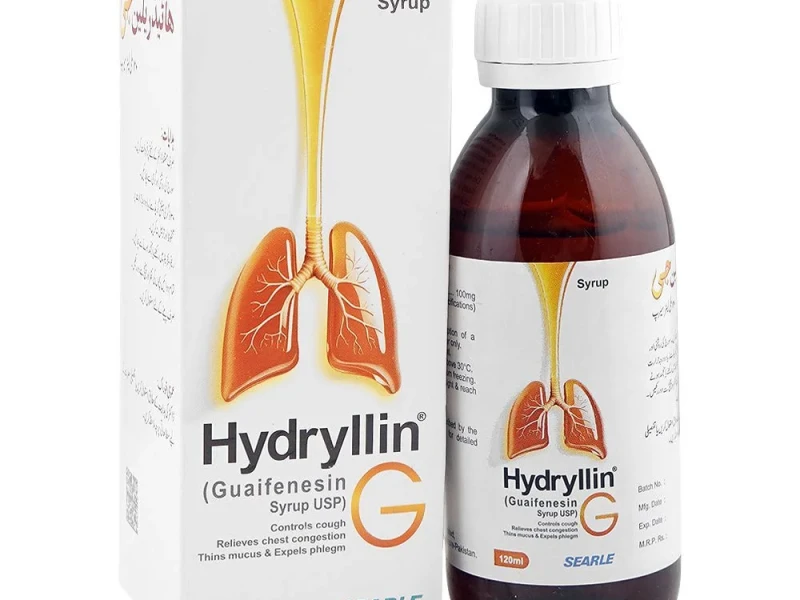
Description
Hydryllin Syrup is a medicine commonly used to relieve symptoms associated with cough, chest congestion, and certain breathing problems. It is generally used when a person experiences coughing along with mucus, airway irritation, or difficulty breathing due to conditions affecting the respiratory tract. The exact formulation of Hydryllin can vary, so the active ingredients and strength should always be checked on the medicine packaging before use.
Hydryllin Syrup is commonly associated with ingredients that may help relax the airways, loosen mucus, or reduce respiratory symptoms. Depending on the specific formulation, it may contain medicines such as an expectorant and bronchodilator combination. Because formulations can differ, the appropriate use and dosage should be determined from the specific product label or by a healthcare professional.
How Does Hydryllin Syrup Work?
The action of Hydryllin Syrup depends on its ingredients. If the formulation contains an expectorant, it can help loosen mucus and make phlegm easier to cough out. This can be helpful when thick mucus builds up in the chest and causes congestion.
If the formulation contains a bronchodilator, it may help relax the muscles surrounding the airways. Relaxed airways can allow air to move more easily, which may help reduce symptoms such as wheezing or tightness in the chest.
This combination of effects can make Hydryllin useful in certain respiratory conditions where coughing, mucus and airway narrowing occur together. However, it should not be considered a cure for the underlying disease.
Hydryllin Syrup for Cough
Hydryllin may be used when a cough is associated with mucus or respiratory tract irritation. A productive cough helps remove mucus from the airways, and medicines that loosen secretions can make this process easier.
It is important to understand that not every cough requires Hydryllin. A cough can occur because of a common cold, allergies, asthma, bronchitis, infection or other conditions. The correct treatment depends on the cause.
Who Should Use Hydryllin Syrup?
Hydryllin should be used according to the recommendation for the particular formulation. Children, older adults and people with chronic medical conditions may require special consideration before using it.
Parents should never assume that the adult dose is appropriate for a child. Pediatric dosing depends on the child's age, weight, medical condition and the exact concentration of the syrup.
Important Information
Hydryllin Syrup should be used carefully and according to medical advice. People with heart problems, high blood pressure, diabetes, thyroid disorders or other medical conditions should inform their healthcare professional before using medicines containing bronchodilator ingredients.
If breathing becomes severely difficult, the lips or face become blue, chest pain develops, or the person becomes extremely weak or confused, urgent medical attention is required.
Uses
Hydryllin Syrup is mainly used to help manage respiratory symptoms such as cough, mucus production, chest congestion and, depending on its formulation, airway narrowing. Its exact uses depend on the active ingredients present in the particular product.
Cough With Mucus
Hydryllin may be useful for a cough accompanied by thick mucus or phlegm. If the formulation contains an expectorant, it can help loosen respiratory secretions and make them easier to clear from the airways.
Chest Congestion
Chest congestion can occur when mucus accumulates in the respiratory tract. Hydryllin may help loosen these secretions, allowing them to be expelled more easily through coughing.
Bronchitis
Hydryllin may sometimes be used as part of symptomatic treatment for bronchitis, particularly when coughing, mucus and airway irritation are present. Bronchitis can have different causes, so treatment should be based on medical evaluation when symptoms are significant or persistent.
Wheezing
Some Hydryllin formulations contain ingredients that can help relax narrowed airways. This may provide relief from wheezing associated with certain respiratory conditions. However, wheezing can have many causes and should not be treated with Hydryllin without appropriate medical advice.
Breathing Difficulty Related to Airway Narrowing
When the airways become narrowed, a person may experience chest tightness, wheezing or difficulty moving air. A bronchodilator-containing formulation may help relax airway muscles and improve airflow.
Asthma-Related Symptoms
Depending on its formulation and the doctor's recommendation, Hydryllin may be used to help manage certain symptoms associated with asthma or bronchospasm. However, it should not automatically replace prescribed asthma controller medicines or emergency treatment.
People with asthma should follow their individual asthma treatment plan and seek urgent care for severe breathing difficulty.
Respiratory Tract Conditions
Hydryllin may be used in some respiratory conditions where coughing, mucus and airway irritation occur together. The exact indication depends on the formulation and the patient's diagnosis.
Important Consideration
Hydryllin Syrup should not be used simply because someone has a cough. A persistent cough may be caused by an infection, asthma, allergy, acid reflux or another medical condition. Treating the cough without identifying its cause may delay appropriate treatment.
Seek medical attention if symptoms include severe shortness of breath, chest pain, coughing up blood, high or persistent fever, confusion, blue lips or rapidly worsening breathing problems.
Side Effects
Like other medicines, Hydryllin Syrup can cause side effects. The possible reactions depend largely on the ingredients contained in the particular formulation. Many people tolerate the medicine without serious problems, but some may experience mild or temporary symptoms.
Nausea and Vomiting
Some people may experience nausea or vomiting after taking Hydryllin. Taking the medicine exactly as directed and following the product instructions may help reduce stomach-related discomfort.
Stomach Discomfort
Abdominal discomfort, indigestion or other digestive symptoms may occur in some users. If stomach symptoms are severe or continue for an extended period, medical advice should be obtained.
Headache
A mild headache may occur in some people. If headaches become severe, persistent or are accompanied by other concerning symptoms, contact a healthcare professional.
Trembling or Shaking
If Hydryllin contains a bronchodilator, some people may experience mild trembling or shaking. This can occur because certain bronchodilator medicines stimulate receptors that affect the muscles and nervous system.
Fast Heartbeat
Some bronchodilator ingredients can cause an increased heart rate or awareness of the heartbeat. A mild temporary increase may occur in some people, but a very fast or irregular heartbeat should be medically assessed.
Nervousness or Restlessness
Some users may feel nervous, restless or unusually alert after taking a bronchodilator-containing formulation. These effects should be discussed with a doctor if they are troublesome or persistent.
Dizziness
Dizziness can occur in some people. Anyone who feels dizzy should avoid driving or operating machinery until the symptoms have resolved.
Muscle Cramps
Certain bronchodilator medicines can occasionally contribute to muscle cramps or weakness. Persistent or severe symptoms should be discussed with a healthcare professional.
Serious Side Effects
Serious reactions are uncommon but require immediate medical attention. Seek urgent help if a person develops severe difficulty breathing, severe chest pain, fainting, a very fast or irregular heartbeat, swelling of the face or throat, or signs of a serious allergic reaction.
Important Safety Advice
Do not increase the Hydryllin dose if symptoms do not improve. Taking extra medicine may increase the risk of side effects, particularly when the formulation contains a bronchodilator.
People with heart disease, high blood pressure, thyroid problems, diabetes or other chronic conditions should inform their doctor before using Hydryllin, especially if it contains a bronchodilator ingredient.
Dosage
The correct Hydryllin Syrup dosage depends on the exact formulation, active ingredients, concentration, age and medical condition of the patient. Because different Hydryllin products may have different strengths, the dosage should always be checked on the bottle or prescribed by a healthcare professional.
Adult Dosage
The adult dose depends on the specific Hydryllin formulation. Patients should follow the dosage printed on the medicine label or the instructions provided by their doctor or pharmacist.
It is important not to estimate the dose based only on the name “Hydryllin,” because different formulations may contain different combinations and concentrations of active ingredients.
Children's Dosage
Children require age-appropriate dosing. The correct dose may also depend on body weight and the particular respiratory condition being treated.
Parents should never give a child an adult dose. For young children, especially infants and toddlers, Hydryllin should only be used when the formulation is appropriate and a healthcare professional has provided suitable instructions.
How to Take Hydryllin Syrup
Measure the syrup using the measuring cup, oral syringe or dosing device supplied with the medicine. Do not use an ordinary kitchen spoon because it may not provide an accurate measurement.
Follow the prescribed schedule and do not take additional doses simply because coughing or breathing symptoms have not improved immediately.
Missed Dose
If a dose is missed, take it when remembered unless the next scheduled dose is close. If the next dose is near, skip the missed dose and continue with the normal schedule.
Do not take a double dose to compensate for a missed dose.
Overdose
Taking too much Hydryllin can increase the risk of unwanted effects. Depending on the formulation, overdose may cause symptoms such as nausea, vomiting, tremors, dizziness, restlessness or a rapid heartbeat.
If an accidental overdose occurs, seek medical advice promptly and keep the medicine bottle available so healthcare professionals can identify the exact ingredients and strength.
Pregnancy and Breastfeeding
Pregnant or breastfeeding women should consult a doctor before using Hydryllin Syrup. The suitability of the medicine depends on its specific ingredients and the individual's health condition.
Drug Interactions
Hydryllin may interact with other medicines depending on its active ingredients. Patients should inform their doctor about all prescription medicines, over-the-counter medicines and supplements they are taking.
Particular caution may be needed when using other medicines that affect heart rate, blood pressure, breathing or the nervous system.
When to See a Doctor
Medical attention should be sought if a cough persists, breathing difficulty becomes worse, wheezing is severe, chest pain develops, blood appears in the sputum or symptoms are accompanied by a high or persistent fever.
Hydryllin can help manage certain respiratory symptoms, but it does not replace diagnosis and treatment of the underlying condition.
Important Dosage Advice
Always check the active ingredients and strength written on your Hydryllin Syrup bottle before taking it. Follow the dosage recommended for that exact product, and never increase the dose without professional medical advice.
Note: This information is for general educational and SEO purposes and is not a substitute for a doctor's or pharmacist's advice. Because Hydryllin formulations can differ, the product label should be used to confirm the exact ingredients and dosage.