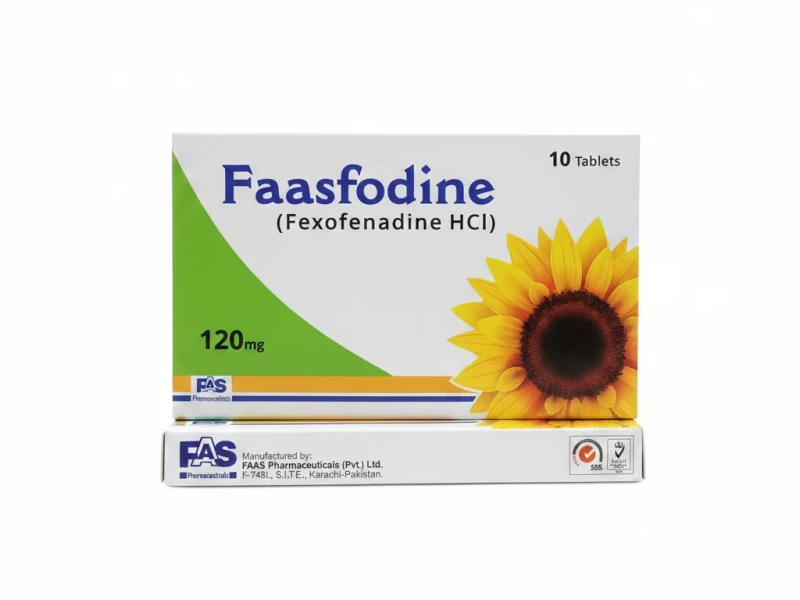
Description
What Is Fexofenadine?
Fexofenadine is an antihistamine medicine used to relieve symptoms caused by allergies. It belongs to a group of medicines known as second-generation antihistamines and is commonly used for conditions such as allergic rhinitis, hay fever and urticaria (hives).
When the body comes into contact with an allergen, it may release a chemical called histamine. Histamine can cause sneezing, a runny or itchy nose, watery eyes and itchy skin. Fexofenadine works by blocking the action of histamine at H1 receptors, helping reduce these symptoms.
Fexofenadine is generally considered a non-drowsy or less-sedating antihistamine, although some people may still experience mild sleepiness or dizziness.
How Does Fexofenadine Work?
Fexofenadine selectively blocks peripheral H1 histamine receptors. This prevents histamine from producing many of the symptoms associated with an allergic reaction.
Because fexofenadine has limited penetration into the brain compared with some older antihistamines, it generally causes less sedation. However, individual responses can vary.
Fexofenadine for Allergy Symptoms
Fexofenadine can help relieve common allergy symptoms such as:
Sneezing
Runny nose
Itchy nose or throat
Watery or itchy eyes
Skin itching
Hives
It controls symptoms but does not remove the underlying allergy or permanently prevent future allergic reactions.
Fexofenadine and Hives
Fexofenadine is commonly used to relieve itching and other symptoms associated with urticaria. Hives may appear as raised, red or pale patches on the skin and can be very itchy.
By blocking histamine, fexofenadine can reduce itching and the development of allergy-related skin symptoms.
Important Information
Fexofenadine should be taken according to the recommended dose. Some fruit juices can reduce how much fexofenadine is absorbed, so it is generally preferable to take the medicine with water.
People with kidney problems may require a lower dose or additional medical guidance.
Uses
Allergic Rhinitis
One of the most common uses of fexofenadine is the treatment of allergic rhinitis.
This condition may cause sneezing, runny nose, nasal itching and watery eyes after exposure to allergens such as pollen, dust or animal dander.
Fexofenadine reduces the effects of histamine and can make these symptoms easier to manage.
Seasonal Allergies
Seasonal allergies, sometimes called hay fever, can become worse during periods when pollen levels are high.
Fexofenadine can help control sneezing, runny nose, nasal itching and itchy or watery eyes associated with seasonal allergic rhinitis.
Year-Round Allergies
Some people experience allergy symptoms throughout the year due to indoor allergens such as dust mites, mold or animal dander.
Fexofenadine may be used regularly or when needed, depending on the doctor's recommendation and the severity of symptoms.
Chronic Urticaria
Fexofenadine can be used to relieve symptoms of chronic idiopathic urticaria, including itching and the appearance of hives.
Chronic urticaria can continue for weeks or longer, and antihistamines are often an important part of symptom management.
Itchy Skin Caused by Allergies
Fexofenadine may help reduce itching caused by histamine-related allergic reactions.
However, itching can have many causes, including infections, skin diseases and systemic medical conditions. Persistent itching should therefore be evaluated if the cause is unclear.
Runny Nose and Sneezing
Fexofenadine can reduce excessive nasal secretions and repeated sneezing caused by allergic reactions.
It is not an antibiotic and does not treat bacterial or viral infections.
Watery or Itchy Eyes
Allergic reactions can cause red, itchy and watery eyes. Fexofenadine may help reduce these symptoms when they are associated with histamine release.
Important Consideration
Fexofenadine is intended for allergy-related symptoms and should not automatically be used for every cough, cold, skin rash or runny nose.
If symptoms are severe or continue despite treatment, consult a healthcare professional to determine the underlying cause.
Side Effects
Fexofenadine is generally well tolerated, but side effects can occur in some people.
Headache
Headache is one of the more commonly reported side effects. It is usually mild, but persistent or severe headaches should be discussed with a healthcare professional.
Dizziness
Some people may experience dizziness or lightheadedness.
If you feel dizzy after taking fexofenadine, use caution with driving or activities requiring concentration.
Nausea
Mild nausea may occur in some patients. If nausea is severe or persistent, medical advice should be considered.
Fatigue
Although fexofenadine is generally less sedating than many older antihistamines, some people may still experience tiredness or fatigue.
Mild Drowsiness
Fexofenadine is considered a relatively non-sedating antihistamine, but drowsiness can still occur in certain individuals.
Avoid driving or operating machinery if you notice significant sleepiness.
Stomach Discomfort
Some people may experience mild digestive discomfort, such as abdominal pain or indigestion.
Diarrhea
Diarrhea can occur occasionally. Persistent diarrhea should be evaluated, particularly if it is severe or associated with dehydration.
Sleep Disturbances
Rarely, individuals may report changes in sleep patterns while using antihistamines.
Discuss persistent sleep problems with a healthcare professional rather than changing the dose independently.
Allergic Reaction
Although fexofenadine is used to treat allergies, a serious reaction to the medicine itself is possible but uncommon.
Symptoms may include swelling of the face, lips, tongue or throat, difficulty breathing, severe rash or sudden dizziness.
Emergency medical attention is required if these symptoms develop.
Dosage
Usual Adult Dose for Allergic Rhinitis
For adults and children aged 12 years and older, a commonly used dose is 120 mg once daily for allergic rhinitis, depending on the specific product and local prescribing guidance.
Some formulations use different strengths, so always check the medicine packaging and prescription instructions.
Dose for Chronic Urticaria
For adults and children aged 12 years and older, a commonly used dose for chronic urticaria is 180 mg once daily.
The appropriate strength should be selected according to the diagnosis and the specific product being used.
Children's Dosage
Fexofenadine is available in formulations suitable for some younger children.
The dose depends on the child's age and the formulation. Children should receive only the amount recommended by a doctor or stated on the appropriate product label.
Older Adults
Older adults can generally use fexofenadine when appropriate, but medical advice may be needed if there are kidney problems or multiple medicines being used.
Kidney Problems
People with reduced kidney function may require a lower starting dose or a different dosing schedule.
Fexofenadine dosing should therefore be discussed with a healthcare professional if kidney disease is present.
How to Take Fexofenadine
Fexofenadine should generally be taken with water.
Do not take it with apple, orange or grapefruit juice because these fruit juices can reduce absorption and may make the medicine less effective.
Follow the instructions for your specific formulation.
Missed Dose
If you forget a dose, take it when you remember unless it is almost time for the next scheduled dose.
If the next dose is near, skip the missed dose and return to the normal schedule. Do not take two doses together.
Overdose
Taking more fexofenadine than recommended may increase the risk of side effects such as dizziness, drowsiness or headache.
If a large amount has been taken accidentally, seek medical advice or contact an emergency service for guidance.
Fexofenadine and Antacids
Certain antacids containing aluminum or magnesium can reduce the absorption of fexofenadine.
If you use these products, ask your pharmacist or doctor about the appropriate timing between the antacid and fexofenadine.
Fexofenadine and Other Medicines
Tell your doctor or pharmacist about all medicines and supplements you use.
Although fexofenadine has fewer interactions than some older antihistamines, other medicines can still affect its absorption or overall effects.
Fexofenadine and Alcohol
Alcohol can increase drowsiness in some people.
Although fexofenadine is generally considered non-sedating, it is sensible to avoid activities requiring full alertness if you feel sleepy or dizzy after taking the medicine.
Pregnancy and Breastfeeding
If you are pregnant, planning pregnancy or breastfeeding, consult your healthcare professional before using fexofenadine.
The doctor can assess whether treatment is necessary and recommend the most appropriate allergy medicine.
Long-Term Use
Some people with chronic allergies or persistent urticaria may need antihistamine treatment for an extended period.
Long-term use should follow medical advice, especially if symptoms continue despite treatment.
If you need to use fexofenadine regularly for a long time, periodic review can help determine whether the treatment remains appropriate.
Fexofenadine and Allergy Prevention
Medicine can control symptoms, but reducing exposure to known allergens can also be helpful.
For example, people with pollen allergies may benefit from limiting outdoor exposure during periods of high pollen, while those sensitive to dust mites may benefit from appropriate household cleaning and bedding measures.
When to Seek Medical Help
Seek emergency medical attention if allergy symptoms include severe difficulty breathing, swelling of the throat or tongue, fainting or signs of a serious allergic reaction.
Persistent nasal symptoms, unexplained skin rashes or severe itching should also be evaluated by a healthcare professional.
Important Dosage Advice
Take fexofenadine exactly as directed and do not exceed the recommended dose. Use water rather than fruit juice when taking the medicine, and ask a pharmacist about the timing if you use aluminum- or magnesium-containing antacids.
Note: This information is for general educational and SEO purposes and does not replace advice from a qualified doctor or pharmacist. The appropriate fexofenadine dose depends on the patient's age, medical condition, kidney function and the specific formulation being used.