Description
What Is Crestor?
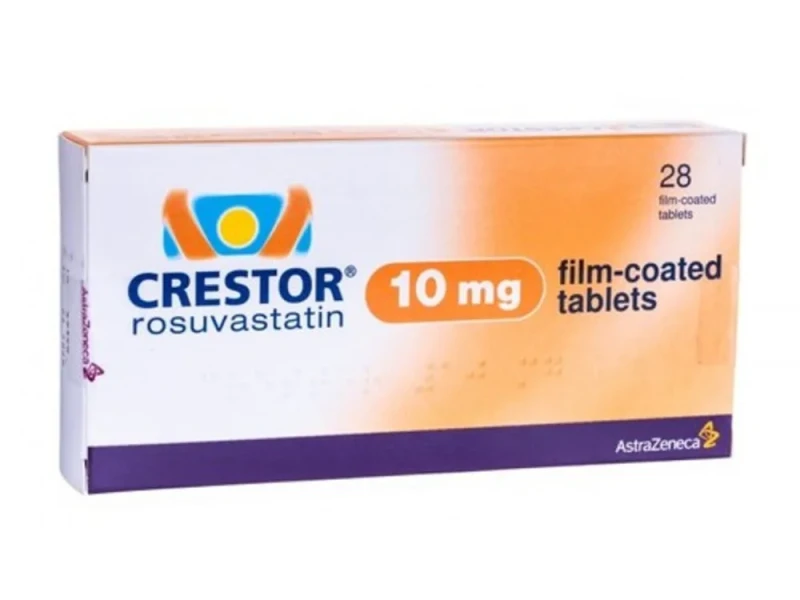
Crestor is a brand name for rosuvastatin, a prescription medicine used to lower cholesterol and reduce the risk of certain cardiovascular problems. It belongs to a group of medicines called statins, also known as HMG-CoA reductase inhibitors.
Crestor mainly works by reducing the liver's production of cholesterol and increasing the liver's ability to remove LDL cholesterol from the bloodstream. LDL is commonly called "bad cholesterol" because high levels can contribute to plaque buildup inside arteries.
Rosuvastatin can also help increase HDL cholesterol, often referred to as "good cholesterol," and reduce triglyceride levels in many patients.
Crestor is usually prescribed together with a heart-healthy diet, regular physical activity and other lifestyle measures. The medicine does not replace healthy eating or exercise.
How Does Crestor Work?
Crestor blocks an enzyme called HMG-CoA reductase, which is involved in cholesterol production in the liver.
When this enzyme is inhibited, the liver produces less cholesterol and increases the number of LDL receptors on its surface. These receptors remove more LDL cholesterol from the blood.
As a result, rosuvastatin can significantly lower LDL cholesterol and help reduce cardiovascular risk in appropriate patients.
Crestor for High Cholesterol
Crestor is commonly prescribed for people with high LDL cholesterol, mixed dyslipidemia or certain inherited cholesterol disorders.
The dose depends on the patient's cholesterol levels, cardiovascular risk and treatment goals.
Crestor and Heart Health
High cholesterol can contribute to atherosclerosis, a condition in which fatty deposits build up inside arteries. Over time, this can increase the risk of heart attack and stroke.
By lowering LDL cholesterol, Crestor can help reduce cardiovascular risk when used appropriately.
Important Information
Crestor is not a medicine for immediate relief. Cholesterol levels generally improve over several weeks, and regular use is important for maintaining its effect.
People taking rosuvastatin should inform their doctor about liver disease, kidney problems, thyroid disorders, heavy alcohol use or unexplained muscle pain.
Uses
High LDL Cholesterol
One of the main uses of Crestor is lowering LDL cholesterol in people with high cholesterol.
Reducing LDL can help slow the development of cholesterol-related plaque in the arteries.
High Cholesterol
Crestor may be prescribed for different forms of high cholesterol when lifestyle changes alone are not enough.
The treatment goal is based on the individual's cardiovascular risk rather than simply achieving one cholesterol number.
Mixed Dyslipidemia
Rosuvastatin can help lower LDL cholesterol and triglycerides while potentially increasing HDL cholesterol.
It may therefore be used in patients with certain forms of mixed lipid abnormalities.
Familial Hypercholesterolemia
Crestor can be used to treat familial hypercholesterolemia, an inherited condition that causes unusually high LDL cholesterol.
These patients may require stronger or long-term cholesterol-lowering treatment.
Prevention of Cardiovascular Disease
Crestor may be prescribed to certain people who have an increased risk of cardiovascular disease.
Lowering LDL cholesterol can reduce the likelihood of heart attack, stroke and other cardiovascular events in appropriate patients.
Prevention After Cardiovascular Events
People who have already experienced conditions such as a heart attack or certain types of stroke may be prescribed a statin to reduce the risk of future cardiovascular events.
The intensity of treatment depends on the patient's individual risk.
Slowing Atherosclerosis
Long-term cholesterol management can help slow the buildup of fatty plaques in the arteries.
Crestor contributes to this process by lowering circulating LDL cholesterol.
Important Consideration
Crestor works best as part of a broader cholesterol-management plan. A balanced diet, physical activity, weight management and avoiding tobacco remain important for cardiovascular health.
Side Effects
Most people tolerate rosuvastatin well, but side effects can occur.
Headache
Some people may experience headache while taking Crestor.
A mild headache is usually not serious, but persistent or severe symptoms should be discussed with a healthcare professional.
Muscle Pain
Muscle aches or pain are among the most well-known possible statin side effects.
Mild muscle discomfort may occur, although muscle symptoms can also have other causes.
Report unexplained or persistent muscle pain to your doctor.
Muscle Weakness
Some patients may notice unusual muscle weakness.
Severe or rapidly worsening weakness requires prompt medical evaluation.
Nausea
Nausea or mild stomach discomfort can occur in some people.
If symptoms are persistent or severe, contact your healthcare professional.
Abdominal Pain
Some patients may experience abdominal discomfort or pain.
Severe or unexplained abdominal pain should be medically assessed.
Constipation
Constipation is another possible digestive side effect.
Adequate fluids and dietary fiber may help when appropriate.
Dizziness
Dizziness can occur in some people.
Use caution when driving or performing activities that require alertness if you feel dizzy.
Increased Blood Sugar
Statins, including rosuvastatin, may cause a small increase in blood glucose or HbA1c levels in some people.
For most patients, the cardiovascular benefits of appropriate statin therapy outweigh this risk.
Liver Enzyme Changes
Crestor can cause increases in liver enzymes in some patients.
Doctors may order liver function tests when clinically appropriate, particularly when there are symptoms or risk factors for liver disease.
Serious Muscle Injury
Rarely, statins can cause rhabdomyolysis, a severe breakdown of muscle tissue.
Warning signs include severe muscle pain or weakness, particularly when accompanied by dark-colored urine.
This requires urgent medical attention.
Serious Liver Problems
Severe liver injury is uncommon.
Seek medical advice for yellowing of the skin or eyes, unusually dark urine, severe tiredness or persistent upper abdominal discomfort.
Allergic Reaction
A serious allergic reaction is rare but can include facial or throat swelling, difficulty breathing, severe rash or fainting.
Emergency medical care is required if these symptoms occur.
Dosage
Individualized Dosage
The appropriate Crestor dose depends on cholesterol levels, cardiovascular risk, age, kidney function, other medicines and the desired reduction in LDL cholesterol.
Rosuvastatin is available in several strengths, including 5 mg, 10 mg, 20 mg and 40 mg.
Usual Adult Dose
For many adults, the usual starting dose is 5 mg or 10 mg once daily.
The dose may be adjusted according to cholesterol response and treatment goals.
High-Intensity Treatment
Rosuvastatin 20 mg to 40 mg once daily is considered high-intensity statin therapy and can produce a substantial reduction in LDL cholesterol.
The 40 mg dose is generally reserved for selected patients who require greater LDL reduction and can safely tolerate it.
Older Adults
Older adults may use Crestor when clinically appropriate.
Doctors consider age, kidney function, other medicines and overall cardiovascular risk when selecting the dose.
Kidney Problems
Patients with significant kidney impairment may require a lower dose.
The 40 mg dose is not appropriate for some patients with severe kidney problems.
Always tell your doctor if you have kidney disease.
Liver Problems
Crestor should generally be avoided in people with active liver disease.
Tell your doctor if you have a history of liver problems or regularly consume large amounts of alcohol.
How to Take Crestor
Crestor is usually taken once daily, with or without food.
It can be taken at any time of day, but taking it at the same time each day can make it easier to remember.
Swallow tablets according to the product instructions.
Missed Dose
If you forget a dose, take it when you remember unless it is close to the next scheduled dose.
If the next dose is near, skip the missed dose and continue your normal schedule.
Do not take two doses together.
Overdose
Taking more rosuvastatin than prescribed may increase the risk of side effects.
Contact a healthcare professional if you accidentally take a significantly larger amount than prescribed.
Crestor and Other Medicines
Rosuvastatin can interact with certain medicines, so your doctor should know about everything you take.
Crestor and Antacids
Antacids containing aluminum or magnesium can reduce rosuvastatin absorption.
If you use these products, they are generally taken at least two hours after Crestor.
Crestor and Warfarin
Rosuvastatin may affect anticoagulation in people taking warfarin.
Appropriate blood-clotting monitoring may be required when treatment is started or changed.
Crestor and Other Cholesterol Medicines
Combining Crestor with certain other lipid-lowering medicines can increase the risk of muscle-related side effects.
Do not add another cholesterol medicine without professional advice.
Crestor and Cyclosporine
Cyclosporine can substantially increase rosuvastatin exposure.
Patients taking cyclosporine require specific dose restrictions and medical supervision.
Crestor and Gemfibrozil
Gemfibrozil can increase rosuvastatin exposure and the risk of muscle toxicity.
This combination should generally be avoided unless specifically managed by a healthcare professional.
Crestor During Pregnancy
Crestor should not generally be used during pregnancy.
Cholesterol is important for normal fetal development, and statins are usually discontinued during pregnancy.
If you become pregnant while taking rosuvastatin, contact your healthcare professional promptly for advice.
Crestor and Breastfeeding
Breastfeeding is generally not recommended while taking rosuvastatin because statin therapy is usually avoided during breastfeeding.
Discuss alternative treatment and breastfeeding plans with your doctor.
How Long Does Crestor Take to Work?
Rosuvastatin begins lowering cholesterol relatively quickly, but the full effect is assessed over time.
Cholesterol levels are often checked several weeks after starting treatment or changing the dose.
Your doctor can use the results to determine whether the current dose is providing the desired LDL reduction.
Crestor and Diet
Crestor works more effectively as part of a heart-healthy diet.
Limit excessive saturated and trans fats and include appropriate amounts of vegetables, fruits, whole grains, legumes and other nutrient-rich foods.
Dietary changes should complement rather than replace prescribed medication.
Crestor and Exercise
Regular physical activity can support healthy cholesterol levels and cardiovascular health.
A suitable exercise plan should take into account your age, fitness level and existing health conditions.
Long-Term Use of Crestor
Many people with high cardiovascular risk take rosuvastatin for many years.
Stopping treatment can allow cholesterol levels to rise again.
Do not stop Crestor simply because your cholesterol has improved unless your doctor recommends a change.
Monitoring During Treatment
Your healthcare professional may monitor:
LDL cholesterol
Total cholesterol
HDL cholesterol
Triglycerides
Liver function when appropriate
Blood glucose in selected patients
Muscle symptoms
Regular monitoring helps determine whether treatment remains effective and safe.
When to Seek Medical Help
Contact your doctor promptly if you develop unexplained muscle pain, tenderness or weakness, particularly if it is severe or accompanied by dark urine.
Seek medical attention for signs of serious liver problems, such as yellow skin or eyes, dark urine or severe unexplained fatigue.
Emergency care is necessary for severe allergic reactions involving difficulty breathing or swelling of the face, lips or throat.
Important Dosage Advice
Take Crestor exactly as prescribed and do not increase, decrease or stop the dose without medical advice. Tell your doctor about kidney or liver disease, pregnancy, breastfeeding and all other medicines you use. Report unexplained muscle pain or weakness promptly.
Note: This information is for general educational and SEO purposes and does not replace advice from a qualified doctor or pharmacist. The appropriate rosuvastatin dose depends on cholesterol levels, cardiovascular risk, age, kidney function, other medicines and individual treatment response.