Description
What Is Claritin?
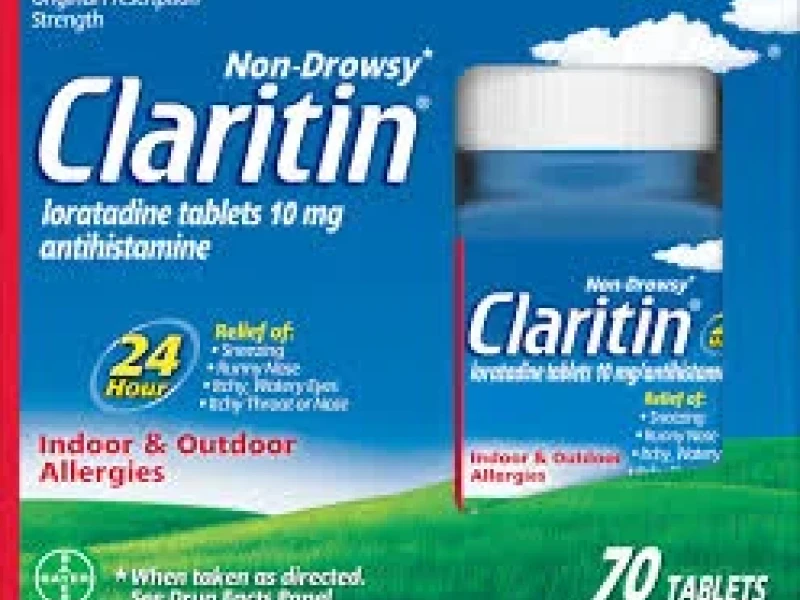
Claritin is a brand name commonly associated with loratadine, an antihistamine used to relieve symptoms caused by allergies. It belongs to the group of medicines called second-generation antihistamines and is generally considered less sedating than older antihistamines.
Claritin works by blocking histamine, a chemical released by the immune system during an allergic reaction. Histamine can cause sneezing, itching, runny nose, watery eyes and other allergy symptoms. By blocking histamine receptors, loratadine helps reduce these symptoms.
Claritin is commonly used for seasonal allergies, allergic rhinitis and hives (urticaria). Depending on the product and country, it may be available as tablets, orally disintegrating tablets, chewable tablets or liquid.
Although Claritin is generally less likely to cause drowsiness than older antihistamines, some people may still feel sleepy or tired after taking it.
How Does Claritin Work?
When the body encounters an allergen such as pollen, dust mites or animal dander, it can release histamine. Histamine then binds to H1 receptors and produces common allergy symptoms.
Loratadine blocks these H1 receptors, reducing the effects of histamine. This can help control sneezing, itching, runny nose and watery eyes.
Claritin does not remove the underlying allergy. Instead, it helps manage the symptoms while the medicine is active in the body.
Claritin for Allergies
Claritin is particularly useful for allergy symptoms affecting the nose and eyes. It may provide relief without causing as much sedation as some first-generation antihistamines.
However, individual responses vary, and some people may still experience drowsiness.
Important Information
Claritin should be taken according to the recommended dose. Taking more than the recommended amount does not necessarily provide better allergy relief and may increase the risk of side effects.
People with significant liver or kidney problems may require professional advice before using loratadine.
Uses
Seasonal Allergic Rhinitis
One of the most common uses of Claritin is the treatment of seasonal allergic rhinitis, commonly called hay fever.
It can help relieve symptoms triggered by pollen, including:
Sneezing
Runny nose
Itchy nose
Watery eyes
Itchy throat
Nasal irritation
Perennial Allergies
Claritin may also help people with allergies that occur throughout the year.
Common triggers include dust mites, indoor allergens and animal dander.
Regular exposure to these allergens can cause persistent sneezing, nasal congestion, itching and watery eyes.
Runny Nose
Loratadine can reduce a runny nose caused by allergic reactions.
However, a runny nose caused by a viral infection such as the common cold may not respond significantly because the underlying cause is different.
Sneezing
Frequent sneezing caused by allergies can often be reduced with Claritin.
The medicine works by blocking histamine, which plays an important role in triggering allergic symptoms.
Itchy or Watery Eyes
Claritin may relieve itchy and watery eyes associated with allergic rhinitis.
For severe eye symptoms, an antihistamine eye drop may sometimes provide more direct relief.
Hives
Claritin can be used to help relieve symptoms of urticaria, commonly known as hives.
Hives can cause raised, itchy patches on the skin. Antihistamines such as loratadine can reduce itching and the severity of the reaction.
Skin Allergy Symptoms
In some allergic skin conditions, loratadine may help reduce histamine-related itching.
The underlying cause of the rash should still be determined when symptoms are persistent or severe.
Important Consideration
Claritin is an antihistamine for allergy symptoms. It does not treat severe allergic reactions such as anaphylaxis.
If someone develops swelling of the throat or tongue, severe difficulty breathing, fainting or signs of a life-threatening allergic reaction, emergency treatment is required.
Side Effects
Claritin is generally well tolerated, but some people may experience side effects.
Headache
Headache is one of the possible side effects of loratadine.
A mild headache may improve as the body adjusts to treatment, but persistent or severe headaches should be discussed with a healthcare professional.
Drowsiness
Although Claritin is considered a less-sedating antihistamine, drowsiness can still occur in some people.
Avoid driving or operating machinery until you know how the medicine affects you.
Fatigue
Some people may feel tired or less energetic while taking loratadine.
If fatigue is significant or persistent, consult a healthcare professional.
Dry Mouth
Loratadine may occasionally cause dry mouth.
Drinking water regularly and maintaining good oral hygiene may help.
Nausea
Nausea or mild stomach discomfort can occur in some patients.
Persistent or severe symptoms should be medically evaluated.
Increased Appetite
Changes in appetite may occasionally occur, although this is not considered one of the most common effects.
Nervousness
Some people, particularly children, may experience nervousness, restlessness or irritability.
If behavioral changes become noticeable or severe, contact a healthcare professional.
Heart Palpitations
Rarely, patients may experience a sensation of a rapid or pounding heartbeat.
Seek medical advice if palpitations are persistent, severe or accompanied by dizziness or fainting.
Serious Allergic Reaction
A serious allergic reaction to loratadine is uncommon.
Symptoms may include facial or throat swelling, difficulty breathing, severe rash or fainting.
Emergency medical attention is required if these symptoms occur.
Dosage
Individualized Dosage
The correct Claritin dose depends mainly on the patient's age, formulation and medical condition.
Always check the strength of the product because different formulations may contain different amounts of loratadine.
Adult Dose
For adults and children aged 6 years and older who weigh more than 30 kg, the commonly recommended loratadine dose is 10 mg once daily.
Do not exceed one 10 mg dose in 24 hours unless specifically instructed by a healthcare professional.
Children Under 30 kg
Children who weigh 30 kg or less may require a lower dose or a pediatric formulation.
The appropriate dose should be determined according to the child's age, weight and the specific product instructions.
Young Children
Loratadine may be available in formulations suitable for younger children, but dosing must be carefully determined.
Do not give an adult Claritin tablet to a young child unless specifically advised by a healthcare professional.
Older Adults
Older adults can generally use loratadine when appropriate.
However, other medical conditions and medications should be considered before starting regular treatment.
Liver Problems
People with significant liver impairment may require a lower starting dose or an alternative treatment.
Loratadine is metabolized in the liver, so discuss its use with your doctor if you have liver disease.
Kidney Problems
People with significant kidney impairment should consult a healthcare professional before using loratadine regularly.
The dosing schedule may need adjustment depending on the severity of kidney disease.
How to Take Claritin
Claritin is generally taken once daily, with or without food.
Take it at approximately the same time each day if you are using it regularly.
Follow the instructions for your specific formulation, especially for chewable or orally dissolving products.
Missed Dose
If you forget to take Claritin, take it when you remember unless it is almost time for the next dose.
If the next dose is close, skip the missed dose and continue with your normal schedule.
Do not take two doses together.
Overdose
Taking more loratadine than recommended may increase the risk of side effects such as drowsiness, headache or a rapid heartbeat.
If a large amount has been taken accidentally, contact a healthcare professional or poison/emergency service for advice.
Claritin and Other Medicines
Loratadine generally has fewer sedating effects and drug interactions than some older antihistamines, but interactions are still possible.
Tell your doctor or pharmacist about all medicines, supplements and herbal products you use.
Claritin and Alcohol
Alcohol may increase drowsiness in some people taking loratadine.
Although Claritin is less sedating than older antihistamines, it is sensible to avoid alcohol if you notice sleepiness or reduced alertness.
Claritin and Other Antihistamines
Taking two antihistamines together without professional advice is generally unnecessary and may increase side effects.
Do not combine Claritin with another allergy medicine containing an antihistamine unless instructed by a healthcare professional.
Claritin and Other Allergy Medicines
Loratadine may sometimes be used alongside nasal corticosteroids or other allergy treatments.
The combination depends on the severity and type of allergy symptoms.
Claritin During Pregnancy
If you are pregnant or planning pregnancy, discuss loratadine with your healthcare professional before starting treatment.
The choice of antihistamine should consider the severity of symptoms, pregnancy stage and available alternatives.
Do not take unnecessary medicines during pregnancy without professional advice.
Claritin and Breastfeeding
Loratadine passes into breast milk in small amounts and is generally considered one of the antihistamines that may be used during breastfeeding when appropriate.
Discuss regular or long-term use with your doctor, particularly if the baby is premature or has medical problems.
How Long Does Claritin Take to Work?
Loratadine usually begins to relieve allergy symptoms within a few hours, and its effects can last for approximately 24 hours.
It is designed for once-daily use in standard adult dosing.
The exact response varies from person to person and depends on the severity of the allergy.
Claritin for Cold Symptoms
Claritin is primarily intended for allergy-related symptoms.
A runny nose or sneezing caused by a common cold may not respond as well because the symptoms are not primarily caused by an allergic histamine response.
Claritin for Nasal Congestion
Loratadine may help some allergy symptoms, but it is generally less effective for severe nasal congestion than treatments specifically designed to reduce nasal inflammation or congestion.
If congestion is persistent, discuss suitable options with a healthcare professional.
Long-Term Use of Claritin
Some people with persistent allergies may use loratadine regularly during periods of allergen exposure.
If symptoms continue for a long time despite treatment, it is useful to identify the underlying allergen and review the treatment plan with a healthcare professional.
Allergy Prevention Measures
Medicine can work more effectively when exposure to allergens is reduced.
Depending on the trigger, helpful measures may include keeping indoor spaces clean, reducing dust exposure, washing bedding regularly, keeping windows closed during high-pollen periods and avoiding known allergens when possible.
When to Seek Medical Help
Seek emergency medical attention for severe allergic symptoms such as difficulty breathing, swelling of the tongue or throat, fainting or rapidly worsening symptoms.
Contact your doctor if allergy symptoms remain severe despite treatment, if you develop a persistent unexplained rash or if you experience significant side effects.
Important Dosage Advice
Claritin should be taken according to the recommended dose, and you should not take more than the stated daily amount to obtain faster allergy relief. Check the active ingredient on combination cold and allergy products to avoid accidentally taking loratadine more than once.
Note: This information is for general educational and SEO purposes and does not replace advice from a qualified doctor or pharmacist. The appropriate loratadine dose depends on age, body weight, liver or kidney function, formulation and other medicines being used.