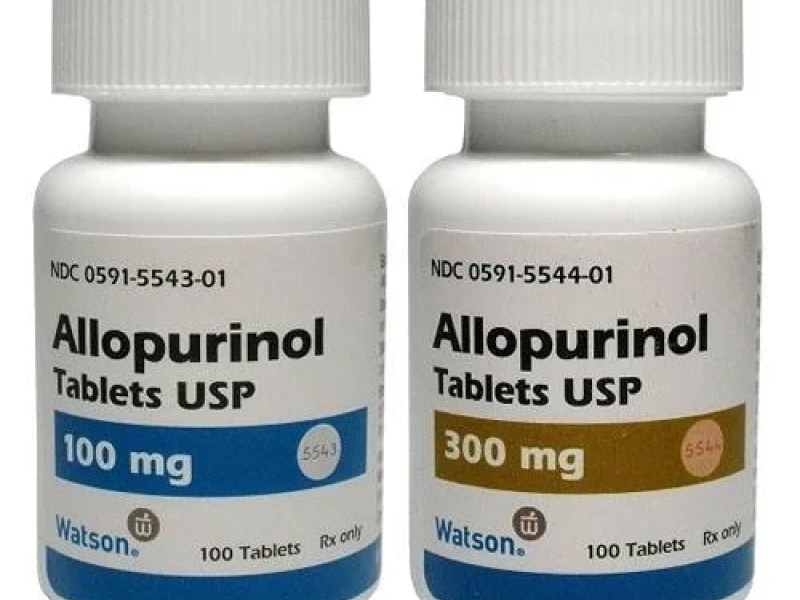
Description
Allopurinol is a prescription medicine mainly used to lower high levels of uric acid in the blood. It belongs to a group of medicines known as xanthine oxidase inhibitors. Doctors commonly prescribe allopurinol for people who have gout or conditions in which too much uric acid builds up in the body.
Uric acid is produced when the body breaks down substances called purines. Normally, the kidneys remove uric acid through urine. When the body produces too much uric acid or the kidneys cannot remove enough of it, uric acid can accumulate and form sharp crystals in and around joints. This can lead to gout attacks, inflammation and significant joint pain.
Allopurinol works by reducing the production of uric acid rather than simply relieving pain during a gout attack. For this reason, it is generally considered a long-term uric acid-lowering treatment and should be taken regularly as prescribed.
How Does Allopurinol Work?
Allopurinol blocks an enzyme called xanthine oxidase, which is involved in the production of uric acid. By inhibiting this enzyme, the medicine reduces the amount of uric acid produced by the body.
Over time, maintaining a lower uric acid level can reduce the formation of urate crystals and help prevent future gout attacks. It can also help prevent complications associated with long-term high uric acid levels.
Allopurinol does not work like a traditional painkiller. It is not intended to provide immediate relief from the pain and inflammation of an acute gout attack.
What Is Allopurinol Used For?
Allopurinol is most commonly prescribed for gout and high uric acid levels. It may also be used in certain people who develop high uric acid because of specific medical treatments or conditions.
The medicine is usually taken over a long period, and the dose may be adjusted according to blood uric acid levels and the patient's kidney function.
Important Information
Allopurinol should be started and adjusted under medical supervision. In some people, particularly during the early stages of treatment, gout attacks may temporarily become more frequent. This does not necessarily mean that the medicine is not working.
Patients should not stop allopurinol suddenly without discussing it with their doctor, unless they develop a serious reaction requiring urgent medical attention.
A particularly important warning is skin rash. A new rash while taking allopurinol can sometimes be an early sign of a rare but serious hypersensitivity reaction. If a rash develops, especially with fever, facial swelling, blistering, mouth sores or skin peeling, urgent medical assessment is necessary.
Uses
Allopurinol is primarily used to reduce excessive uric acid production and prevent complications associated with high uric acid levels. It is generally used as a long-term treatment rather than a medicine for immediate pain relief.
Gout
Allopurinol is widely used for the long-term management of gout. Gout occurs when urate crystals build up in joints and cause inflammation, swelling and pain.
By lowering uric acid levels over time, allopurinol can reduce the formation of new urate crystals and help prevent future gout attacks.
Prevention of Recurrent Gout Attacks
People who experience repeated gout attacks may be prescribed allopurinol to keep uric acid levels within the target range. Regular treatment can reduce the likelihood of recurrent attacks when the medicine is used appropriately.
High Uric Acid Levels
Allopurinol may be prescribed for hyperuricemia, a condition in which uric acid levels in the blood are higher than normal. Not everyone with high uric acid requires medication, so treatment decisions are based on the person's overall health and risk factors.
Tophi
Long-standing gout can lead to the formation of tophi, which are collections of urate crystals under the skin or around joints. Lowering uric acid over time with allopurinol can help prevent further crystal accumulation and may gradually reduce existing deposits.
Uric Acid Kidney Stones
Allopurinol may be used in selected patients who form certain types of kidney stones related to excessive uric acid production. The doctor may recommend treatment based on urine and blood test results and the patient's medical history.
Prevention of Treatment-Related High Uric Acid
Some cancer treatments can cause a rapid breakdown of cells, which may result in increased uric acid production. In certain situations, medicines such as allopurinol may be prescribed to help prevent or manage treatment-related hyperuricemia.
Important Consideration
Allopurinol is not an immediate treatment for an acute gout attack. A doctor may prescribe another medicine, such as an anti-inflammatory treatment, to manage acute gout pain and inflammation.
People taking allopurinol should continue following their doctor's treatment plan even when they feel better, because stopping treatment can allow uric acid levels to rise again.
Side Effects
Allopurinol can cause side effects, although many people take it without serious problems. Some side effects are mild, while rare reactions can be severe and require immediate medical attention.
Nausea and Stomach Upset
Some people may experience nausea, vomiting or stomach discomfort after starting allopurinol. Taking the medicine as directed, often after food when recommended, may help reduce stomach irritation.
Diarrhea
Diarrhea can occur in some people taking allopurinol. If it is severe, persistent or accompanied by dehydration, medical advice should be obtained.
Headache
Some users may experience headaches. A persistent or severe headache should be discussed with a healthcare professional.
Skin Rash
A skin rash is an important side effect to watch for. Although some rashes may be mild, a rash during allopurinol treatment should not be ignored because it can occasionally be the first sign of a serious hypersensitivity reaction.
Serious Skin Reaction
Rarely, allopurinol can cause severe skin reactions such as Stevens-Johnson syndrome or toxic epidermal necrolysis. Warning signs may include a widespread rash, blistering, peeling skin, fever, facial swelling or sores involving the mouth, eyes or other mucous membranes.
If these symptoms occur, stop taking the medicine and seek urgent medical attention.
Liver Problems
Allopurinol can rarely affect liver function. Symptoms such as yellowing of the skin or eyes, dark urine, severe tiredness or persistent abdominal discomfort should be assessed by a doctor.
Kidney-Related Concerns
Because uric acid is removed mainly through the kidneys, people with kidney disease may require a lower or carefully adjusted dose. Regular medical monitoring can be important in such patients.
Allergic Reaction
A serious allergic reaction can rarely occur. Emergency medical help is required if there is swelling of the face, lips, tongue or throat, difficulty breathing, severe dizziness or widespread rash.
Gout Flare
Some people may experience more frequent gout attacks after starting allopurinol. This can happen because changes in uric acid levels can temporarily destabilize urate crystals in the joints.
A doctor may prescribe additional medicine to reduce this risk during the early treatment period.
Dosage
The correct allopurinol dosage depends on the condition being treated, uric acid levels, age, kidney function and response to treatment. It should be prescribed by a qualified healthcare professional.
Adult Dosage for Gout
Allopurinol is usually started at a relatively low dose and gradually increased if necessary. A commonly used starting dose for adults with gout is 100 mg once daily, while people with significant kidney impairment may require a lower starting dose.
The dose can then be adjusted according to blood uric acid levels and the patient's response. Some patients may require higher daily doses, but the maximum and appropriate dose must be determined by a healthcare professional.
Kidney Disease
Patients with impaired kidney function require particular care when using allopurinol. The starting dose may be lower, and the doctor may monitor kidney function and uric acid levels during treatment.
Never change the dose yourself based on a previous prescription.
How to Take Allopurinol
Allopurinol is generally taken orally with water. It should be taken exactly according to the prescribed schedule.
Taking the medicine after food may help reduce stomach discomfort for some people. Adequate fluid intake may also be recommended, unless a doctor has advised fluid restriction.
Missed Dose
If you forget a dose, take it when you remember unless it is almost time for the next dose. If the next dose is close, skip the missed dose and return to your normal schedule.
Do not take two doses together to make up for a missed dose.
Overdose
Taking more allopurinol than prescribed can increase the risk of adverse effects. If an overdose occurs, seek medical advice promptly and provide information about the amount taken.
Starting Treatment During a Gout Attack
Allopurinol is not primarily a pain-relieving medicine. Depending on the circumstances, a doctor may decide whether to start or continue urate-lowering therapy during an acute gout attack and may prescribe additional treatment to control inflammation.
Patients should follow their doctor's specific instructions rather than stopping or starting allopurinol independently.
Pregnancy and Breastfeeding
People who are pregnant, planning pregnancy or breastfeeding should discuss allopurinol use with a healthcare professional. The doctor can assess whether the potential benefits outweigh the risks in the individual situation.
Drug Interactions
Allopurinol can interact with certain medicines. Important interactions include medicines such as azathioprine and mercaptopurine, where specialist supervision and dose adjustment are particularly important.
Patients should tell their doctor about all prescription medicines, over-the-counter medicines and supplements they are taking.
When to Seek Medical Help
Seek urgent medical attention if a new rash develops, particularly when it is accompanied by fever, facial swelling, blistering, peeling skin or sores in the mouth or eyes.
Medical advice should also be sought for severe abdominal symptoms, unusual bruising, yellowing of the skin or eyes, or other concerning reactions.
Important Dosage Advice
Allopurinol is a long-term uric acid-lowering medicine, and the correct dose is usually determined through regular monitoring of uric acid levels and other relevant health factors. Do not increase, decrease or stop the medicine without medical advice.
Note: This information is for general educational and SEO purposes and does not replace advice from a qualified doctor or pharmacist. Allopurinol dosing should be individualized, especially for people with kidney disease or those taking medicines that can interact with it.