Contact Information
About Ibne Sena Laboratory and Diagnostic Centre
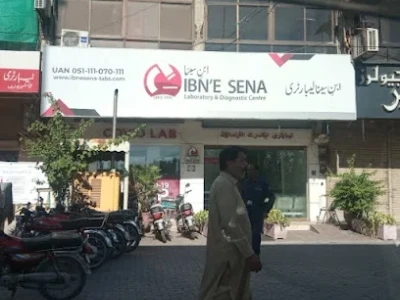
Ibne Sena Laboratory and Diagnostic Centre is a medical laboratory and diagnostic facility providing laboratory investigation and diagnostic support to patients in Islamabad and Rawalpindi. The laboratory has been operating for many years and is described in public business information as an established diagnostic center with laboratory facilities and trained staff.
The facility has a documented presence in Islamabad, including its location at Pak Pavilion Plaza on Fazal-e-Haq Road in Blue Area. The Islamabad Healthcare Regulatory Authority lists Ibne Sena Laboratory & Diagnostic Centre as a registered laboratory. IHRA records also show another Ibne Sena Laboratory & Diagnostic Centre location at Plot No. 30, Ground Floor, Islamabad Plaza, near Save Mart, G-11 Markaz, Islamabad.
A Rawalpindi location is also listed at #7, Kashmir Gate Plaza, opposite Benazir Bhutto Hospital on Murree Road. This location appears in current laboratory directories for Rawalpindi and can provide convenient access to diagnostic services for patients in the surrounding areas.
Laboratory diagnostics are an important part of modern healthcare because laboratory results can help doctors investigate symptoms, support diagnosis, monitor treatment and assess general health. Depending on the current branch facilities and laboratory test menu, investigations may cover areas such as hematology, clinical chemistry, urine analysis, serology, microbiology and other routine or specialized laboratory disciplines.
Hematology investigations examine blood cells and related parameters, while clinical chemistry evaluates biochemical substances in blood and other specimens. These investigations can provide useful information about metabolic health, organ function, anemia, inflammation and other clinical conditions.
Patients may visit a diagnostic laboratory for routine health screening, investigation of symptoms, monitoring of an existing condition, pre-treatment investigations or follow-up testing recommended by a healthcare professional. The selection of tests should be based on the patient's clinical requirements rather than relying on laboratory testing alone.
Accurate diagnostic reporting depends on proper patient identification, appropriate specimen collection, correct labeling, suitable sample storage and professional laboratory processing. Some investigations may require fasting, medication-related instructions or specific timing before sample collection. Patients should follow the preparation instructions provided by the laboratory or their healthcare provider.
The laboratory environment may involve qualified laboratory professionals, pathologists, technologists and supporting staff responsible for specimen processing and reporting. Diagnostic reports should be reviewed alongside the patient's symptoms, medical history and clinical examination by a qualified healthcare professional.
For DoctorPakistan.com, Ibne Sena Laboratory and Diagnostic Centre can be categorized as a Medical Laboratory / Diagnostic Centre. Because the organization has multiple locations and publicly available information does not provide one complete current test menu for every branch, individual tests, fees, reporting times and specialized investigations should be confirmed with the relevant branch before publishing them as guaranteed services.
Tests & Services Offered
Hematology Testing
Hematology investigations evaluate blood cells and related blood parameters. These tests can support the assessment of anemia, infection, inflammation and other blood-related conditions.
Complete Blood Count
A Complete Blood Count (CBC) is a commonly requested laboratory investigation that evaluates major blood-cell parameters, including red blood cells, white blood cells and platelets. It may be used for routine screening or investigation of different symptoms.
Clinical Chemistry
Clinical chemistry testing evaluates biochemical substances in blood and other specimens. These investigations can provide information about metabolic processes and the functioning of different organs.
Blood Glucose Testing
Blood glucose investigations measure glucose levels and may be requested for diabetes screening, diagnosis and monitoring. The appropriate glucose test depends on the patient's clinical requirement.
Liver Function Investigations
Liver-related laboratory investigations can help assess liver function and may be requested when liver disease is suspected or when monitoring an existing condition. The exact liver profile available should be confirmed with the relevant Ibne Sena branch.
Kidney Function Investigations
Kidney function testing evaluates selected biochemical markers associated with renal function. Common investigations may include urea and creatinine, subject to the current laboratory test menu.
Lipid Profile
Lipid testing evaluates blood fats such as cholesterol and triglycerides. It can be used in routine health screening and cardiovascular risk assessment.
Urine Examination
Urine testing can help identify abnormalities associated with the urinary system and may also provide useful information during general health screening.
Serology and Immunology
Serological investigations can detect selected antibodies, antigens and other disease-related markers. The specific investigations available depend on the laboratory's current facilities and test menu.
Microbiology Testing
Microbiology services involve the examination of appropriate clinical specimens for microorganisms. Depending on available facilities, investigations may include culture-based testing and related laboratory analysis.
Infectious Disease Screening
Diagnostic laboratories may perform selected infectious-disease investigations using blood, urine or other suitable specimens. The specific screening tests available at Ibne Sena should be confirmed before testing.
Routine Health Screening
Laboratory investigations may be used for general health assessments, preventive screening and monitoring. The appropriate combination of tests depends on age, medical history, symptoms and medical advice.
Specialized Laboratory Investigations
A diagnostic laboratory may also process specialized investigations that require advanced analytical methods or referral arrangements. Availability can vary between branches, so patients should confirm specialized tests with the relevant center.
Sample Collection
The laboratory provides a setting for collection and processing of appropriate clinical specimens. Proper specimen collection, identification, handling and transportation are essential for dependable laboratory results.
Diagnostic Reporting
After laboratory analysis, findings are compiled into diagnostic reports that can be reviewed by patients and healthcare professionals. Reports may assist doctors in diagnosis, treatment planning and follow-up.
Patient Preparation
Certain laboratory investigations may require preparation before sample collection, including fasting, specific collection times or other instructions. Patients should follow the preparation requirements given for their particular test.
Health Screening Support
Ibne Sena Laboratory and Diagnostic Centre can support patients requiring laboratory investigations for routine health assessment, clinical evaluation and follow-up testing.
The exact current test list, test prices, report turnaround times, home sample collection and availability of specialized investigations may differ by branch and should be confirmed directly with Ibne Sena before the information is treated as a branch-specific service list.


