Contact Information
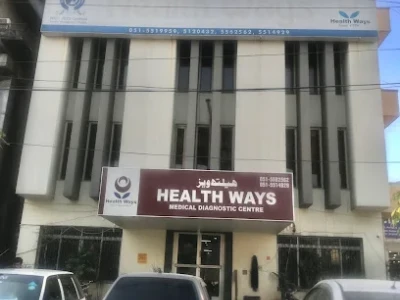
About Health Ways Laboratories- Murree Road, Saddar, Rawalpindi
Health Ways Laboratories Murree Road Saddar
Health Ways Laboratories Murree Road Saddar is a private clinical diagnostic laboratory located at 8/111 Murree Road, opposite the Ministry of Defence Secretariat, Saddar, Rawalpindi. The laboratory is part of the Health Ways Laboratories network, which was established in 1989 to provide laboratory and diagnostic services for patient care. The Rawalpindi branch serves patients from Saddar, Murree Road and surrounding areas who require routine and specialized medical laboratory investigations.
Health Ways Laboratories focuses on accurate, precise and timely diagnostic testing. According to the laboratory's published information, its facilities use modern laboratory equipment and qualified doctors and technologists to support diagnostic investigations. The laboratory also emphasizes quality assurance, appropriate sample collection and reliable reporting.
The Rawalpindi laboratory has departments covering Clinical Pathology, Chemical Pathology, Hematology, Microbiology, Special Chemistry, Histopathology and PCR. These departments allow the laboratory to handle a broad range of biological samples and diagnostic investigations used by physicians for disease screening, diagnosis and patient monitoring.
The Murree Road branch is registered by the Punjab Healthcare Commission under Health Ways Laboratories at 8/III Murree Road, opposite the Ministry of Defence, Rawalpindi. Public listings also identify the facility at 8/111 Murree Road and provide telephone contact information for the branch.
Health Ways Laboratories provides diagnostic support for patients requiring blood tests, biochemical investigations, infection-related testing, pathology examinations and specialized laboratory investigations. Samples may be processed within the relevant department or through the laboratory's wider facilities depending on the nature of the test.
The laboratory's quality-focused approach includes internal quality control and comparison between laboratory branches. This helps support consistency in testing and reporting across its network. Patients can use the laboratory for physician-referred investigations as well as selected routine health screening tests.
Health Ways Laboratories also operates branches in other cities and areas, including Kallar Syedan, Abbottabad, Haripur, Mansehra and Islamabad. This wider network allows the organization to provide laboratory services to patients in different parts of northern Pakistan.
For patients in Rawalpindi Saddar and nearby areas, the Murree Road branch provides convenient access to a broad range of laboratory investigations. Test availability, sample requirements, charges and reporting times can vary according to the investigation, so patients should confirm the current details before visiting.
Tests & Services Offered
Clinical Pathology
Clinical pathology services cover routine laboratory investigations performed on blood, urine and other clinical specimens. These investigations can assist doctors in evaluating a patient's general health, identifying abnormalities and monitoring existing medical conditions.
Hematology Tests
The hematology department performs investigations related to blood cells and blood disorders. Common laboratory investigations may include Complete Blood Count (CBC), hemoglobin, red blood cell count, white blood cell count, platelet count, ESR and peripheral blood examination. Additional hematology and coagulation tests may be available according to the patient's clinical requirements.
Chemical Pathology
Chemical pathology evaluates biochemical substances in blood and other biological specimens. Routine investigations may include blood glucose, liver function tests, renal function tests, lipid profile, electrolytes, calcium, uric acid and other biochemical parameters.
Blood Sugar and Diabetes Testing
Diabetes-related investigations may include fasting blood glucose, random blood glucose and HbA1c. These tests are commonly used for diabetes screening, assessment of blood glucose control and monitoring of patients receiving diabetes treatment.
Liver Function Tests
Liver-related investigations may include ALT, AST, alkaline phosphatase, bilirubin, albumin, total protein and other biochemical markers. These tests help physicians assess liver function and investigate abnormalities associated with liver and metabolic conditions.
Renal Function Tests
Kidney-related laboratory investigations may include serum creatinine, urea, uric acid and electrolytes. These tests are used to assess renal function and can support the monitoring of patients with kidney-related disorders.
Lipid Profile
Lipid testing evaluates cholesterol and triglyceride levels in the blood. A standard lipid profile may include total cholesterol, HDL cholesterol, LDL cholesterol and triglycerides. These investigations are commonly requested for cardiovascular risk assessment and routine health screening.
Microbiology
The microbiology department supports the investigation of infections caused by microorganisms. Depending on the specimen and clinical requirement, microbiology services may include bacterial culture, urine culture, blood culture, pus culture and antimicrobial susceptibility testing.
Special Chemistry
Special chemistry investigations evaluate specific biochemical markers that may require specialized laboratory techniques. Depending on the current test menu, these services may include selected metabolic, enzyme, protein and other specialized biochemical investigations.
Immunology and Serology
Serological and immunological investigations examine antibodies, antigens and other immune-related markers. Testing may support the investigation of infectious diseases, autoimmune conditions and other immune-related disorders. The exact tests available should be confirmed with the laboratory.
Hormone and Endocrine Testing
Hormonal investigations may include thyroid-related tests such as TSH, T3 and T4, along with other endocrine and reproductive hormone investigations. These tests can assist physicians in evaluating hormonal imbalance and endocrine disorders.
PCR and Molecular Testing
Health Ways Laboratories has a dedicated PCR department as part of its diagnostic facilities. PCR-based investigations are used to detect genetic material associated with selected infections and other conditions. The exact molecular tests, specimen requirements and reporting times depend on the current laboratory menu.
Histopathology
Histopathology involves microscopic examination of tissue specimens. It is commonly used to investigate abnormal tissue, tumors and other pathological conditions. Biopsy specimens can be processed and examined by qualified pathology professionals according to the requested investigation.
Cytology
Cytology involves examination of individual cells or cellular material. Depending on the clinical requirement, cytological investigations may be used to evaluate abnormal cells and support the diagnosis of various conditions.
Routine Health Screening
The laboratory can be used for routine diagnostic screening and general health assessment. Depending on the requested profile, screening may involve blood count, blood glucose, liver and kidney function, cholesterol and other commonly requested laboratory investigations.
Diagnostic Sample Collection
Proper sample collection is an important part of laboratory testing. Health Ways Laboratories states that it uses a sample collection system designed to help avoid contamination and maintain the quality of specimens before laboratory processing.
Laboratory Reporting
Health Ways Laboratories emphasizes accurate, precise and speedy reporting. Laboratory results are prepared under the supervision of qualified staff and are intended to provide physicians with reliable diagnostic information for patient care.
Quality Assurance
Quality assurance is an important part of the laboratory's diagnostic process. Health Ways Laboratories reports having a comprehensive quality-control program covering internal laboratory processes and inter-laboratory comparisons between branches. This supports consistency and reliability across its diagnostic services.


