Contact Information
About Armed Forces Institute of Pathology (AFIP)
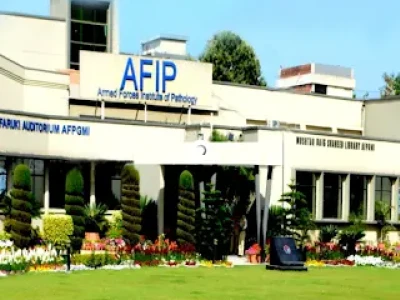
The Armed Forces Institute of Pathology (AFIP) is a specialized diagnostic and pathology institution located within the Combined Military Hospital complex on AFIP Road, Rawalpindi. It is one of Pakistan's prominent centers for pathology, laboratory diagnostics, medical education and research.
AFIP provides comprehensive diagnostic laboratory services that support physicians and healthcare institutions in the diagnosis, monitoring and management of diseases. The institute brings together multiple pathology disciplines, allowing complex clinical specimens to be investigated through specialized laboratory departments.
Its major areas of expertise include hematology, chemical pathology, microbiology, histopathology, virology and immunology. These disciplines cover a wide range of diagnostic investigations involving blood, body fluids, tissue specimens and microbiological samples. The institute also has a strong academic and research role within the medical and pathology community.
AFIP's laboratory services support both routine and specialized diagnostic requirements. Chemical pathology focuses on biochemical analysis, while hematology evaluates blood cells, blood disorders and related conditions. Microbiology and virology contribute to the identification and investigation of infectious diseases, while histopathology provides microscopic examination of tissue specimens. Immunology supports investigations involving immune responses and related disease markers.
The institute has also been associated with advanced diagnostic technologies and specialized laboratory testing. Its role extends beyond routine pathology to complex diagnostic cases, specialist consultation, research and postgraduate medical training.
AFIP has maintained formal laboratory accreditation through the Pakistan National Accreditation Council. PNAC documentation identifies AFIP as an accredited medical laboratory and records an accreditation scope covering multiple areas of medical testing.
The institute's location within the CMH complex makes it an important diagnostic resource for the Armed Forces healthcare system and associated patients. Access, eligibility and patient services may depend on the applicable institutional policies.
For DoctorPakistan.com, AFIP should be categorized as a Medical Laboratory, Pathology Institute and Specialized Diagnostic Laboratory. It should not be treated simply as a routine private pathology lab because of its broader diagnostic, academic and research functions.
The exact sample submission procedure, patient eligibility, test charges, reporting times and availability of individual specialized investigations should be confirmed directly with AFIP before visiting.
Tests & Services Offered
Hematology
AFIP provides specialized hematology services for the investigation and monitoring of blood-related conditions. Hematology testing can evaluate blood cells, blood counts, coagulation and other hematological parameters.
Complete Blood Count
Complete Blood Count testing evaluates red blood cells, white blood cells and platelets. It is commonly used for the assessment of anemia, infection, inflammation and other blood-related conditions.
Coagulation Testing
Coagulation investigations assess the blood-clotting system and can assist in the evaluation of bleeding or clotting disorders and in monitoring selected treatments.
Chemical Pathology
Chemical pathology involves biochemical analysis of blood and other body fluids. AFIP's accredited laboratory scope includes chemical pathology testing, including investigations such as glucose, urea, creatinine and ALT.
Blood Glucose Testing
Glucose testing measures blood sugar levels and can be used in the assessment, diagnosis and monitoring of diabetes and other metabolic conditions.
Renal Function Testing
Renal or kidney-related investigations can assess biochemical markers associated with kidney function. Common investigations include urea and creatinine testing.
Liver Function Testing
Liver-related biochemical investigations can assist in evaluating liver health and monitoring patients with suspected or established liver disease. ALT is among the tests documented in the PNAC accreditation scope.
Microbiology
Microbiology services investigate clinical specimens for microorganisms and support the diagnosis of bacterial and other infectious diseases. The department also contributes to antimicrobial and infectious-disease investigations.
Histopathology
Histopathology involves microscopic examination of tissue specimens. It is an important diagnostic service for identifying and characterizing diseases affecting tissues and organs.
Cytology
Cytological examination evaluates individual cells or groups of cells obtained from appropriate clinical specimens. It can support the investigation of abnormal or suspicious lesions.
Virology
Virology services support laboratory investigation of viral infections. Testing may involve detection of viral markers, antigens, antibodies or other relevant laboratory parameters depending on the suspected infection.
Immunology
Immunological investigations evaluate immune-related markers and responses. These tests can support the investigation of autoimmune, infectious and other conditions involving the immune system.
Serology
Serological testing detects selected antibodies, antigens and other markers in blood or other specimens. It can be used for infectious disease screening and other diagnostic purposes.
Specialized Diagnostic Testing
AFIP provides specialized laboratory investigations in addition to routine pathology. Complex investigations may be performed within specialized departments or through appropriate laboratory workflows.
Tissue Examination
Tissue specimens obtained through biopsy or surgical procedures can be submitted for pathological examination. Histopathological assessment can help establish or clarify a diagnosis.
Microbiological Culture
Appropriate clinical specimens may be investigated through microbiological culture and related procedures when bacterial or other microbial infection is suspected.
Diagnostic Consultation
Specialist pathologists provide professional interpretation and consultation for complex diagnostic cases. Their expertise can assist clinical teams in correlating laboratory findings with the patient's clinical presentation.
Laboratory Reporting
Laboratory results are compiled into diagnostic reports for use by authorized healthcare professionals and patients according to applicable institutional procedures. Results can support diagnosis, treatment planning and clinical follow-up.
Research and Specialized Laboratory Services
AFIP also has an important role in pathology research and medical education. Its specialist departments contribute to research and advancement in laboratory diagnostics alongside clinical testing.
Quality Assurance
AFIP's laboratory services operate within formal quality and accreditation frameworks. PNAC documentation identifies AFIP under medical laboratory accreditation and records its accredited testing scope.
The exact current test list, sample requirements, fees, reporting times and patient-access arrangements should be confirmed directly with AFIP, particularly for specialized investigations.


