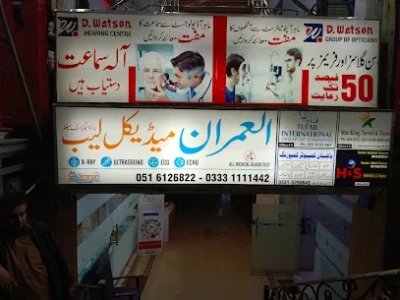
Contact Information
About Al-Imran Medical Labs and Diagnostics Center (IMDC)
Al-Imran Medical Labs and Diagnostics Center (IMDC) is a medical laboratory and diagnostic facility serving patients in Satellite Town and surrounding areas of Rawalpindi. The facility is located at Shop No. 7–8, Basement, Al Fateh Plaza, Chandni Chowk, Satellite Town, Rawalpindi, and is listed by the Punjab Healthcare Commission as a registered laboratory.
Medical laboratory services play an important role in modern healthcare by providing clinical information that helps healthcare professionals investigate symptoms, support diagnosis and monitor patients. Blood, urine and other appropriate clinical specimens can be examined through different laboratory methods depending on the investigation required.
Al-Imran Medical Labs and Diagnostics Center can serve patients requiring routine diagnostic investigations, general health screening and laboratory testing recommended by healthcare professionals. The exact availability of individual investigations depends on the laboratory's current equipment, technical facilities and test menu.
Routine clinical laboratory work commonly covers areas such as hematology, clinical chemistry, blood glucose testing, liver and kidney function investigations, lipid testing, urine examination, serology and microbiology. These investigations can provide useful information about blood parameters, metabolic health, organ function and selected infectious or other medical conditions.
Hematology testing focuses on blood cells and related parameters, while clinical chemistry evaluates biochemical substances present in blood and other specimens. Urine investigations can provide additional information about urinary and general health, while microbiology and serology may assist in the investigation of suspected infections.
Laboratory testing may be requested for different purposes, including investigation of symptoms, routine medical screening, monitoring of an existing condition, pre-treatment assessment and follow-up. The appropriate tests should be selected according to the patient's clinical requirements and the advice of a qualified healthcare professional.
Proper sample collection, patient identification, specimen labeling and laboratory processing are essential for reliable diagnostic results. Some investigations may also require special preparation, such as fasting or specific timing of sample collection. Patients should follow the instructions provided by the laboratory or their healthcare provider.
Laboratory reports should be interpreted in combination with the patient's medical history, symptoms and clinical examination. An abnormal laboratory result does not necessarily establish a diagnosis by itself and should be discussed with an appropriate healthcare professional.
For DoctorPakistan.com, Al-Imran Medical Labs and Diagnostics Center (IMDC) can be categorized as a Medical Laboratory / Diagnostic Center in Rawalpindi. The Punjab Healthcare Commission record confirms the facility's listing at Al Fateh Plaza, Chandni Chowk, Satellite Town, Rawalpindi, while current healthcare directories also identify the same facility under the IMDC name.
The exact test menu, fees, reporting times, home sample collection facilities and availability of specialized investigations should be confirmed directly with IMDC before publishing them as specific branch-level services.
Tests & Services Offered
Hematology Testing
Hematology investigations evaluate blood cells and related blood parameters. These tests can assist healthcare professionals in assessing anemia, infections, inflammation and other blood-related conditions.
Complete Blood Count
Complete Blood Count (CBC) is a commonly requested blood investigation that evaluates red blood cells, white blood cells and platelets. It may be used for routine health screening or investigation of different symptoms.
Blood Glucose Testing
Blood glucose testing measures the level of glucose in the blood and may be used for diabetes screening, diagnosis and monitoring.
Clinical Chemistry
Clinical chemistry investigations evaluate different chemical substances in blood and other clinical specimens. These tests can provide information about metabolic health and organ function.
Liver Function Testing
Liver-related investigations may be requested to assess liver health and monitor patients with suspected or existing liver conditions. The exact liver profile available at IMDC should be confirmed before testing.
Kidney Function Testing
Kidney function investigations provide information about renal health. Common investigations in this category may include urea and creatinine, depending on the laboratory's current test menu.
Lipid Profile
A lipid profile evaluates blood fats such as cholesterol and triglycerides. It may be requested as part of cardiovascular risk assessment and routine health screening.
Urine Examination
Urine investigations can help identify abnormalities involving the urinary system and may be used for routine screening or investigation of urinary symptoms.
Serology and Immunology
Serological investigations can detect selected antibodies, antigens and other disease-related markers. Specific tests depend on the laboratory's available facilities and current test menu.
Microbiology Testing
Microbiology investigations involve examination of suitable clinical specimens for microorganisms when an infection is suspected. Culture and related testing depend on the laboratory's available facilities.
Infection Screening
Laboratory screening can be used to investigate selected infectious diseases through appropriate blood, urine or other clinical specimens. The exact screening tests available should be confirmed with IMDC.
Routine Health Screening
Laboratory investigations may be used as part of general health screening and preventive healthcare. The appropriate investigations depend on the patient's age, medical history, symptoms and healthcare professional's recommendations.
Specialized Laboratory Testing
Diagnostic laboratories may also provide selected specialized investigations requiring particular equipment, specimen handling or processing arrangements. Availability of specialized tests at IMDC should be confirmed directly with the facility.
Sample Collection
Blood, urine and other appropriate clinical specimens may be collected according to the requirements of individual investigations. Correct specimen collection, identification and handling are important for reliable laboratory processing.
Laboratory Reporting
Following analysis, laboratory findings are compiled into diagnostic reports for patients and healthcare professionals. Reports can support diagnosis, treatment planning and follow-up care.
Patient Preparation
Some investigations require preparation before sample collection. Patients may need to follow instructions regarding fasting, medication, timing or specimen collection procedures.
Diagnostic Support
IMDC provides local laboratory diagnostic support for patients in Chandni Chowk, Satellite Town and surrounding areas of Rawalpindi.
The exact tests currently offered by Al-Imran Medical Labs and Diagnostics Center, along with fees, reporting times, home sample collection and specialized investigations, should be confirmed directly with the facility because a complete current test-by-test menu was not publicly verified.


