Contact Information
About AFIP laboratory
Armed Forces Institute of Pathology (AFIP) Laboratory
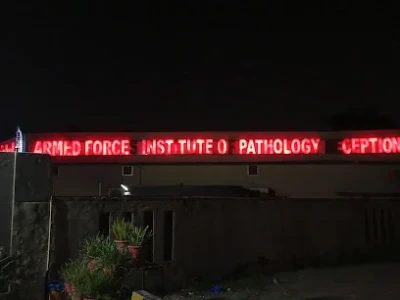
The Armed Forces Institute of Pathology (AFIP) is a major pathology and diagnostic laboratory located in Rawalpindi Cantonment, Punjab, Pakistan, within the Combined Military Hospital (CMH) complex. AFIP is a specialized institution of the Pakistan Armed Forces and serves as an important centre for diagnostic pathology, laboratory medicine, research and professional training.
AFIP's diagnostic laboratory provides a wide range of investigations across multiple pathology disciplines. Its major areas of diagnostic work include Hematology, Chemical Pathology, Microbiology, Immunology, Virology, Endocrinology, Histopathology and Molecular Diagnostics. These departments support the diagnosis, investigation and monitoring of a broad range of diseases and medical conditions.
The laboratory performs investigations on different types of clinical specimens, including blood, serum, plasma, urine, tissue and other samples depending on the requested examination. Laboratory results provide important clinical information that can help doctors evaluate symptoms, confirm or exclude suspected conditions, monitor treatment and assess a patient's health.
Hematology and Coagulation
The Hematology department focuses on disorders and abnormalities involving blood and blood-forming tissues. Investigations can include routine blood counts, examination of blood cells and specialized hematological studies. Coagulation investigations assess the blood-clotting system and can be important in the evaluation of bleeding and clotting disorders.
Chemical Pathology
Chemical Pathology, also known as clinical biochemistry, evaluates biochemical substances present in blood and other body fluids. AFIP's accredited laboratory scope includes investigations such as glucose, urea, creatinine, ALT, total bilirubin and albumin.
These investigations can provide information about blood glucose, kidney function, liver-related biochemical markers and other aspects of metabolic health.
Microbiology
The Microbiology department is concerned with the detection and investigation of microorganisms responsible for infectious diseases. Depending on the specimen and clinical requirement, microbiological work may involve examination, culture, identification and antimicrobial susceptibility testing.
Virology
Virology focuses on viral infections and related laboratory investigations. Testing in this area can include specialized methods for detecting or evaluating viral infections and may involve serological or molecular techniques depending on the disease and requested investigation.
Immunology
Immunology investigations examine components and responses of the immune system. Such testing can support the investigation of immune-related diseases, antibodies and other specialized clinical conditions.
Histopathology
Histopathology involves microscopic examination of tissue specimens. Tissue samples obtained through biopsy or surgical procedures can be processed and examined to identify abnormal cellular and tissue changes. Histopathology is an important diagnostic field for many diseases, including tumors and other pathological conditions.
Molecular Diagnostics
Molecular pathology uses advanced laboratory techniques to examine genetic material such as DNA and RNA. Molecular investigations can be useful for selected infectious diseases, genetic conditions and other specialized diagnostic requirements.
Endocrinology
The Endocrinology laboratory area deals with investigations related to hormones and endocrine function. Hormonal testing can assist doctors in evaluating conditions involving the thyroid, adrenal glands, reproductive hormones and other endocrine systems.
Nuclear Medicine
AFIP's diagnostic side has also been associated with Nuclear Medicine services. Nuclear medicine uses radioactive tracers for selected diagnostic investigations and functional assessment. The exact availability of nuclear medicine procedures should be confirmed with the relevant AFIP department.
Reference Laboratory Role
AFIP has an important reference-laboratory role and performs specialized investigations in addition to routine pathology testing. Its laboratory infrastructure supports diagnostic services for military healthcare facilities and other referred cases. Published information describes AFIP as a comprehensive diagnostic institution with modern laboratory technology and specialized pathology departments.
Quality and Accreditation
AFIP has received accreditation through the Pakistan National Accreditation Council (PNAC) for its medical laboratory testing scope. PNAC documentation records AFIP's laboratory accreditation and identifies specific accredited chemical pathology investigations. The accreditation framework is based on recognized medical laboratory quality requirements.
Research and Training
In addition to patient diagnostic services, AFIP has an important academic and research role in pathology and laboratory medicine. Its departments contribute to research and professional development in areas including microbiology, hematology, chemical pathology and other diagnostic disciplines.
Location and Contact
AFIP is located in the Rawalpindi Cantonment / CMH Rawalpindi area. Public listings identify the address as AFIP Road, Combined Military Hospital, Rawalpindi, Punjab 46000, Pakistan. A public listing gives 051-5176418 as a contact number, while other AFIP-related listings provide additional contact numbers. Patients should verify the appropriate contact and access arrangements before visiting.
For DoctorPakistan.com, Armed Forces Institute of Pathology (AFIP) can be categorized as a Medical Laboratory / Pathology Laboratory in Rawalpindi.
Because AFIP is a specialized armed-forces institution, access, referral requirements, civilian testing arrangements, fees and sample submission procedures can depend on the type of service and patient category. These details should be confirmed directly with AFIP before visiting.
Tests & Services Offered
Hematology
AFIP provides hematology investigations covering blood cells and related parameters. These services can assist in the evaluation of anemia, blood-cell abnormalities, infections and hematological disorders.
Complete Blood Count (CBC)
CBC evaluates major blood parameters including hemoglobin, red blood cells, white blood cells and platelets. It is commonly used for routine assessment and investigation of various medical conditions.
Coagulation Studies
Coagulation testing evaluates the blood-clotting system. These investigations can be used in the assessment of bleeding disorders, clotting abnormalities and selected pre-procedure evaluations.
Chemical Pathology
Chemical Pathology includes biochemical testing of blood and other specimens. AFIP's PNAC-accredited scope specifically includes glucose, urea, creatinine, ALT, total bilirubin and albumin testing.
Blood Glucose
Blood glucose testing measures glucose concentration and is used for diabetes screening, diagnosis and monitoring.
Urea
Urea testing provides information useful in the assessment of renal function and metabolic status.
Creatinine
Creatinine is commonly measured as part of kidney-function assessment and is interpreted alongside other clinical information.
ALT
ALT is a liver-associated enzyme used as part of biochemical evaluation of liver health and function.
Total Bilirubin
Total bilirubin testing measures bilirubin in the blood and can assist in evaluating jaundice and selected liver or blood-related conditions.
Albumin
Albumin testing measures an important blood protein and may provide information relevant to liver function, nutritional status and other clinical conditions.
Microbiology
Microbiology services involve laboratory investigation of microorganisms in suitable clinical specimens. Depending on the requested investigation, services can include microscopy, culture, organism identification and susceptibility testing.
Bacteriology
Bacteriology focuses on the detection and identification of bacteria from appropriate specimens. Culture and susceptibility testing can assist clinicians in understanding infectious organisms and their response to antimicrobial medicines.
Virology
Virology services focus on laboratory investigation of viral infections. Depending on the disease, testing can involve antigen, antibody or molecular methods.
Immunology
Immunology investigations assess immune responses, antibodies and selected immune-related markers. These services can support the evaluation of infectious, autoimmune and other medical conditions.
Serology
Serological testing examines blood for selected antibodies and antigens. It can be used for the investigation of specific infectious diseases and immune responses.
Endocrinology
Endocrine laboratory services involve hormone-related investigations. These tests can assist in evaluating thyroid, reproductive, metabolic and other hormonal functions.
Hormone Testing
Hormonal investigations measure selected hormones in blood or other appropriate specimens. The specific test depends on the clinical requirement.
Histopathology
Histopathology involves microscopic examination of tissue specimens. It is used to identify abnormal tissue changes and can play an important role in the diagnosis of tumors and other diseases.
Biopsy Examination
Biopsy specimens can be submitted for pathological examination when microscopic assessment of tissue is required.
Cytology
Cytology involves examination of cells rather than complete tissue structures. It can support the investigation of abnormal cellular changes.
Molecular Diagnostics
Molecular diagnostic services use techniques that analyze DNA or RNA. These investigations are useful for selected infectious, genetic and other specialized diagnostic requirements.
PCR Testing
PCR-based testing can detect specific genetic material in appropriate clinical specimens. The availability of individual PCR investigations depends on the AFIP laboratory's current diagnostic services.
Genetic and Molecular Testing
Selected molecular investigations can be used to identify genetic or molecular abnormalities. These are specialized tests and may require specific sample types and referral criteria.
Nuclear Medicine
Nuclear Medicine involves the use of radioactive tracers for selected diagnostic examinations. Availability and access to specific nuclear medicine services should be confirmed with AFIP.
Specialized Pathology
AFIP provides specialized pathology services through its different diagnostic departments. Complex cases may require investigations involving more than one laboratory specialty.
Routine Laboratory Testing
Routine laboratory investigations provide basic diagnostic information for patients and can include blood, biochemical, microbiological and other commonly requested examinations.
Sample Collection
AFIP laboratory services involve the collection and processing of clinical specimens according to the requirements of individual investigations. Correct patient identification and proper specimen handling are essential for reliable results.
Laboratory Reporting
Following analysis, laboratory findings are compiled into diagnostic reports for the appropriate patient or referring healthcare facility. Reporting time depends on the type and complexity of the investigation.
Reference and Specialized Testing
AFIP performs specialized laboratory investigations in addition to routine testing and has an established reference-laboratory role. Its accredited scope demonstrates laboratory capability in selected chemical pathology investigations.
Important Note
The Armed Forces Institute of Pathology has multiple specialized departments, including Hematology, Chemical Pathology, Microbiology, Immunology, Virology, Endocrinology, Histopathology and Nuclear Medicine.
Not every specialized investigation is necessarily available for direct walk-in testing at every reception or collection point. Patients should confirm the specific test, fee, sample requirement, reporting time, referral requirement and civilian access policy directly with AFIP before visiting.


