Contact Information
About IDC Lab and Diagnostic Center - Quetta
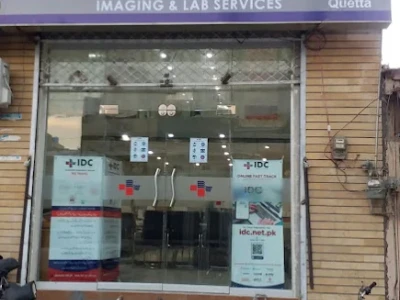
IDC Lab & Diagnostic Center is a medical diagnostic laboratory in Quetta, Balochistan, providing laboratory testing and diagnostic services for routine health assessments, disease screening, and clinical evaluation. The center is listed at Najieb Street, Quetta, and provides laboratory diagnostic services for patients who require testing based on medical advice or routine health needs. Available information also lists sample collection services, including free home sample collection, making it more convenient for patients who may have difficulty visiting the laboratory in person.
The laboratory can serve patients requiring routine pathology and diagnostic investigations for different areas of healthcare. Laboratory testing can assist physicians in evaluating symptoms, monitoring existing medical conditions, assessing treatment response, and supporting preventive healthcare. Depending on the test and the services available at the branch, patients may be able to access investigations covering hematology, clinical chemistry, blood glucose, liver and kidney function, lipid testing, urine examination, thyroid and hormonal investigations, serology, immunology, microbiology, and other diagnostic categories.
IDC Lab & Diagnostic Center is part of the IDC diagnostic network, whose laboratory services include areas such as hematology, microbiology, molecular biology, virology, histopathology, chemistry, special chemistry, clinical pathology, parasitology, immunology, and serology. The broader IDC network also provides imaging and other diagnostic services at its facilities.
The center's diagnostic approach is intended to support accurate clinical assessment through laboratory investigations. Patients may be referred for individual tests, preventive screening packages, follow-up investigations, or disease-specific testing depending on their healthcare requirements. Proper sample collection, identification, processing, and reporting are important parts of laboratory testing and help healthcare professionals interpret results alongside the patient's clinical history.
For patients in Quetta, the availability of home sample collection can provide an additional option for routine laboratory investigations. Patients should confirm the availability, preparation requirements, charges, and reporting time for a particular test before visiting or requesting sample collection, as services can vary between branches and individual tests.
IDC Lab & Diagnostic Center can therefore be considered a local diagnostic facility for laboratory investigations and pathology-related testing in Quetta. Its services may be useful for routine health screening, diagnostic workups, monitoring of chronic conditions, and follow-up testing prescribed by healthcare professionals.
Tests & Services Offered
Hematology Tests
IDC Lab & Diagnostic Center may provide a range of hematology investigations used to assess blood cells and related conditions. Common investigations in this category can include Complete Blood Count (CBC), hemoglobin, hematocrit, red blood cell indices, white blood cell count, platelet count, and other blood-cell related parameters. These tests can help physicians evaluate anemia, infections, inflammation, and other blood-related conditions.
Complete Blood Count (CBC)
A CBC is one of the most commonly requested laboratory investigations. It evaluates major components of blood, including red blood cells, white blood cells, hemoglobin, hematocrit, and platelets. Doctors may recommend CBC testing during routine checkups or when investigating symptoms such as weakness, fever, fatigue, recurrent infections, or suspected anemia.
Blood Sugar & Diabetes Testing
Diabetes-related laboratory investigations may include fasting blood glucose, random blood glucose, post-meal glucose, and HbA1c, depending on test availability. HbA1c is commonly used to assess average blood glucose levels over a longer period and may be requested for diabetes screening and monitoring.
Liver Function Tests
Liver function investigations may include measurements such as bilirubin, ALT, AST, alkaline phosphatase, total protein, and albumin. These tests can help healthcare professionals assess liver function and investigate conditions involving the liver or biliary system.
Kidney & Renal Function Tests
Renal investigations may include serum creatinine, blood urea, uric acid, and electrolyte-related testing. Such tests are commonly used to evaluate kidney function and monitor patients with kidney-related conditions or other medical problems that can affect renal health.
Lipid Profile
Lipid testing may include total cholesterol, HDL cholesterol, LDL cholesterol, and triglycerides. A lipid profile can be requested as part of cardiovascular risk assessment, routine screening, or monitoring of patients receiving treatment for abnormal cholesterol levels.
Clinical Chemistry
Clinical chemistry services may cover a broad range of biochemical investigations performed on blood and other clinical samples. Depending on the available test menu, these investigations can include glucose, proteins, enzymes, minerals, electrolytes, and other biochemical markers used for routine and specialized clinical evaluation.
Thyroid Tests
Thyroid-related investigations may include tests such as TSH, T3, and T4, with additional thyroid-related testing available depending on clinical requirements and laboratory facilities. These investigations are commonly used when assessing suspected thyroid disorders or monitoring patients already receiving treatment.
Hormone Testing
Hormonal investigations may be available for different clinical requirements. The exact hormone panel depends on the patient's symptoms, age, sex, medical history, and physician's recommendation. Patients should confirm the specific hormone test and required preparation before sample collection.
Urine Examination
Routine urine testing can be used to evaluate different aspects of urinary and general health. Common investigations may include complete urine examination, urine routine analysis, and microscopic examination. Depending on the clinical requirement, additional urine investigations may also be available.
Stool & Parasitology Tests
Stool examination may be performed for the investigation of intestinal infections, digestive problems, and parasitic conditions. Parasitology-related testing can help identify certain parasites or abnormalities in clinical samples when requested by a healthcare professional.
Serology & Immunology
Serological and immunological investigations can be used to detect antibodies, antigens, or other immune-related markers. Such testing may support the diagnosis or monitoring of infectious diseases, immune conditions, and other clinical disorders.
Microbiology & Infection Testing
Microbiology services may include investigations designed to identify microorganisms responsible for infections. Depending on the available facilities, testing can involve bacterial, fungal, or other infectious agents. Specific cultures and sensitivity testing may be performed when medically indicated and available at the laboratory.
Virology & Molecular Testing
The broader IDC laboratory network includes virology and molecular biology services. These diagnostic areas can involve advanced testing for specific infectious diseases and genetic or molecular markers. Availability of specialized tests at a particular Quetta collection location should be confirmed before sample submission.
Histopathology
Histopathology involves the laboratory examination of tissue samples to help diagnose various diseases. Specialized pathology services may be available through the wider IDC diagnostic network, while the exact availability of tissue processing and reporting at the Quetta location should be confirmed directly.
Blood Group & Related Testing
Blood grouping and related blood investigations may be requested before certain medical procedures, during pregnancy-related care, or when blood transfusion support is required. The exact availability of blood-bank-related services should be confirmed with the relevant IDC facility.
Vitamin & Nutritional Tests
Laboratory investigations for selected vitamins and nutritional markers may be available based on physician recommendation. These tests can assist in evaluating suspected deficiencies and monitoring patients receiving supplementation.
Electrolyte Testing
Electrolyte investigations may include sodium, potassium, chloride, calcium, and other relevant parameters depending on the laboratory's available test menu. Electrolyte testing can be useful in evaluating dehydration, metabolic problems, kidney-related conditions, and other clinical situations.
Routine Health Screening
Routine laboratory screening can include combinations of blood, urine, glucose, lipid, liver, kidney, and other investigations. The appropriate screening tests depend on the patient's age, health status, symptoms, medical history, and physician's recommendations.
Sample Collection Services
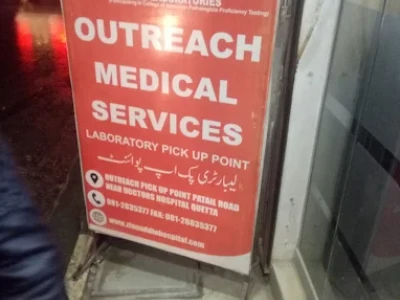
IDC Lab & Diagnostic Center in Quetta is listed as providing sample collection services and free home sample collection. Home collection can be useful for elderly patients, people with mobility limitations, patients requiring regular monitoring, or individuals who prefer to provide samples from home.
Diagnostic Reporting
Laboratory reports provide the measured results of requested investigations for review by the patient and healthcare professional. Reporting time varies according to the type of test, sample requirements, and whether the investigation is performed locally or requires specialized processing.
Test Preparation & Patient Guidance
Some laboratory investigations require specific preparation, such as fasting or collecting a sample at a particular time. Patients should follow the instructions provided by their doctor or laboratory before giving a sample. Test availability, preparation requirements, fees, and reporting times should be confirmed with IDC Lab & Diagnostic Center before testing.