Contact Information
About Soil And Water Testing Laboratory
Introduction
The Soil And Water Testing Laboratory is an agricultural testing facility providing analytical services for evaluating soil and irrigation water. The laboratory supports farmers, agricultural professionals, researchers, and other stakeholders by providing information that can help improve soil fertility management, irrigation practices, and fertilizer use. The Punjab Agriculture Department operates Soil & Water Testing Laboratories across Punjab at both research and district levels.
Soil Testing Services
Soil testing is an important agricultural practice used to understand the fertility and chemical condition of agricultural land. Laboratory analysis can help identify nutrient levels and other soil characteristics that influence crop growth and fertilizer requirements.
Soil Fertility Assessment
The laboratory supports assessment of soil fertility to help farmers make more informed decisions about fertilizer application and crop management. Soil testing can be particularly useful for identifying nutrient deficiencies and improving the efficient use of agricultural inputs.
Water Testing for Agriculture
Irrigation water can have a significant effect on soil health and crop production. The laboratory provides soil and water analytical facilities designed to support the better management of agricultural water resources and help identify issues that may affect farming.
Fertilizer Testing Support
Soil and Water Testing Laboratories also support fertilizer-related analytical services. Punjab Agriculture Department laboratories provide services to farmers and fertilizer stakeholders, including testing associated with fertilizer quality and regulatory requirements.
Agricultural Advisory Support
Laboratory results can assist agricultural professionals and farmers in making decisions about soil amendments, fertilizer application, irrigation management, and other crop-production practices. The wider Punjab Agriculture Department program specifically provides analytical and advisory services for efficient use of soil, water, and fertilizer resources.
Support for Farmers
The laboratory network has been established to extend soil and water testing facilities to the farming community at district level. This makes analytical support more accessible to farmers and helps promote evidence-based agricultural input management.
Research and Agricultural Development
Soil and water testing facilities also contribute to agricultural research and field-level studies. Research laboratories under the Punjab Agriculture Department provide analytical services for agricultural trials, fertilizer-related work, and other research activities.
Quality and Reliable Analysis
Punjab Agriculture Department identifies several Soil and Water Testing Laboratories among its ISO-accredited laboratories. These facilities support more precise and reliable analytical work for agricultural stakeholders.
Multan Laboratory
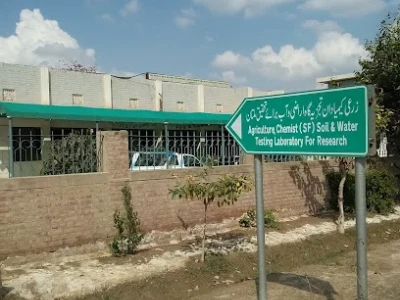
The Soil and Water Testing Laboratory for Research in Multan is located on Old Shuja Abad Road. The Punjab Agriculture Department lists the laboratory as part of its research-level soil and water testing network and provides official contact information for the facility.
Why Choose Soil And Water Testing Laboratory
- Agricultural soil testing services
- Irrigation water analysis
- Soil fertility assessment
- Fertilizer testing support
- Agricultural advisory assistance
- Services for farmers and agricultural stakeholders
- Support for research and field studies
- Government agricultural testing network
Our Commitment
The Soil And Water Testing Laboratory is focused on providing useful analytical information for better management of agricultural resources. By supporting soil, water, and fertilizer analysis, the laboratory contributes to improved agricultural planning and more efficient use of farming inputs.
Tests & Services Offered
Soil Testing
The laboratory provides analytical services for agricultural soil to help determine fertility status and identify factors that may affect crop production.
Soil Fertility Analysis
Soil fertility assessment may cover important chemical and nutrient-related characteristics used to understand the condition of agricultural land and support fertilizer recommendations.
Soil Nutrient Testing
Depending on the laboratory and testing requirement, soil analysis can include important plant nutrients such as:
- Nitrogen
- Phosphorus
- Potassium
- Zinc
- Other relevant micronutrients
Soil Chemical Analysis
Agricultural soil may be analyzed for important chemical properties that influence nutrient availability, crop growth, and fertilizer management.
Irrigation Water Testing
Water used for agricultural irrigation can be analyzed to help assess its suitability for farming and identify characteristics that may affect soil and crop performance.
Water Quality Assessment
Water testing may include relevant parameters used to evaluate irrigation-water quality and its potential effect on agricultural soils and crops.
Fertilizer Testing
The agricultural testing network also provides fertilizer-related analytical services. These services can support quality control and assessment of fertilizer materials used in agriculture.
Fertilizer Nutrient Analysis
Fertilizer testing may involve analysis of important nutrient components, including:
- Nitrogen
- Phosphorus
- Potassium
- Zinc
- Boron
- Other specified fertilizer constituents
The exact parameters depend on the fertilizer product and applicable testing requirements.
Agricultural Advisory Support
Laboratory results can be used to support recommendations concerning:
- Fertilizer application
- Soil fertility management
- Irrigation practices
- Soil amendments
- Crop nutrient requirements
- Efficient use of agricultural inputs
Soil and Water Research Support
Research-level laboratories provide analytical support for agricultural field trials, soil fertility studies, irrigation-related investigations, and other agricultural research activities.
Services for Farmers
The Punjab Agriculture Department operates district-level Soil and Water Testing Laboratories specifically to extend testing facilities to the farming community. These laboratories help farmers obtain analytical information about their soil and water resources.
Agricultural Input Management
Testing results can help farmers and agricultural professionals understand the condition of their soil and make more informed decisions about fertilizer and irrigation management.
Laboratory Analysis and Reporting
After the required samples are submitted and analyzed, laboratory findings can be used for agricultural interpretation and advisory purposes. Testing time and available parameters may vary according to the sample type and requested analysis.
Important Information
The exact test menu and sample requirements can vary between research-level and district-level Soil & Water Testing Laboratories. Farmers should confirm the required sample type, collection procedure, available parameters, charges, and reporting time with the relevant laboratory before submission.