Contact Information
About Dow Diagnostic Reference and Research Laboratory (DDRRL)
Diagnostic Laboratory Facility
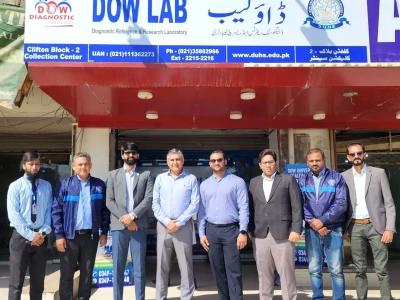
Dow Diagnostic Reference and Research Laboratory (DDRRL) is a diagnostic laboratory facility of Dow University of Health Sciences (DUHS), providing routine and specialized laboratory investigations. The laboratory was established to provide quality diagnostic services at accessible rates and also functions as a reference facility for other laboratories. Its services cover a broad range of pathology and specialized diagnostic disciplines.
Location and Accessibility
The main laboratory and collection center is located at the Ojha Campus, Gulzar-e-Hijri, Suparco Road, Karachi. The DDRRL network has expanded to more than 50 laboratories and collection points across Sindh and Balochistan, allowing patients to access laboratory sample collection from different locations.
Clinical Pathology Services
Clinical laboratory services include examination of blood, urine and other clinical specimens. The laboratory provides both routine investigations and specialized diagnostic testing through its different pathology departments.
Chemical Pathology
Chemical pathology covers biochemical analysis of clinical specimens. These investigations can include glucose, liver-related parameters, kidney-related parameters, lipid-related testing and other biochemical investigations according to the requested test.
Hematology Services
Hematology services cover investigations related to blood cells and other blood parameters. Routine hematology testing may include Complete Blood Count, hemoglobin, platelet count, red and white blood cell parameters and other related investigations.
Microbiology Services
Microbiology involves laboratory examination of clinical specimens for microorganisms. Services may include culture, identification and antimicrobial sensitivity testing depending on the specimen and requested investigation.
Histopathology
Histopathology involves processing and microscopic examination of tissue and biopsy specimens. These services support the laboratory evaluation of tissue samples submitted for pathological investigation.
Molecular Pathology
Molecular pathology is one of the specialized diagnostic areas offered by DDRRL. Molecular investigations can include selected DNA- and RNA-based tests according to the laboratory's current diagnostic menu.
Specialized Diagnostic Testing
The laboratory offers a broad diagnostic menu containing more than 350 diagnostic tests. Its services include routine laboratory investigations as well as specialized testing performed through dedicated laboratory departments.
Reference Laboratory Services
DDRRL also functions as a reference laboratory for other laboratories. Samples from its collection points can be transferred to the main laboratory at Ojha Campus or designated STAT laboratories for processing.
Sample Collection
Patients can visit collection centers for sample submission. The laboratory network also provides home sampling facilities, allowing eligible patients to arrange sample collection from their residence.
Laboratory Reports
Online electronic reporting is available, allowing patients to access their laboratory results digitally after processing. DDRRL also provides image transfer facilities as part of its diagnostic reporting services.
Quality Assurance
DDRRL states that its diagnostic reporting follows evidence-based practices and international standards. Its official information also describes daily internal quality controls as part of its laboratory quality assurance process.
Contact Information
For home sampling and general laboratory booking, the published contact number is +92 21 111 362 273. The main Ojha Campus laboratory listing provides 021-38771111, with extensions for specific collection areas.
Important Information
Test availability, charges, sample requirements, preparation instructions and reporting time may vary according to the investigation and collection center. Patients should confirm the current requirements with the relevant DDRRL center before submitting a sample.
Tests & Services Offered
Blood Tests
A broad range of blood investigations is available through the laboratory network, covering routine hematology, clinical chemistry, immunological and specialized diagnostic testing.
Complete Blood Count
CBC is a common hematology investigation used to measure important blood parameters including hemoglobin, red blood cells, white blood cells, hematocrit and platelets.
Blood Sugar Testing
Glucose-related investigations may include fasting blood glucose and other blood sugar tests according to the requested laboratory investigation.
Liver Function Tests
Liver-related biochemical testing may include bilirubin, ALT, AST, alkaline phosphatase, albumin and other relevant biochemical parameters.
Kidney Function Tests
Renal investigations may include creatinine, urea, uric acid and other biochemical tests related to kidney function.
Lipid Profile
Lipid investigations may include total cholesterol, HDL cholesterol, LDL cholesterol and triglycerides depending on the selected test profile.
Thyroid and Hormone Testing
Selected thyroid and hormone investigations may be available through the laboratory's specialized testing menu. The exact test and preparation requirements depend on the requested investigation.
Vitamin Testing
Vitamin-related laboratory investigations may include selected nutritional markers such as Vitamin D and other available vitamin tests.
Immunology and Serology
Immunological and serological investigations may include antibody, antigen and other immune-related testing for selected infectious and non-infectious conditions.
Microbiology and Culture
Microbiology services may include specimen examination, bacterial culture and antimicrobial sensitivity testing where applicable.
Histopathology
Tissue and biopsy specimens can be processed for histopathological examination. The required procedure depends on the type and condition of the submitted specimen.
Molecular and PCR Testing
Molecular pathology services may include selected PCR and other DNA/RNA-based investigations. Availability depends on the requested test and processing facility.
Specialized Laboratory Testing
The laboratory's diagnostic menu contains more than 350 tests, covering routine and specialized investigations across different pathology disciplines.
Urine and Other Specimen Testing
Urine and other clinical specimens may be accepted for appropriate laboratory investigations. The specimen type and collection procedure depend on the individual test.
Home Sample Collection
Home sampling is available through the DDRRL network. Patients can request home collection by contacting the laboratory or using the available online booking facility.
STAT Laboratory Services
The DDRRL network includes STAT laboratories where samples from collection points can be processed according to the laboratory's operational arrangements.
Online Reports
Patients can access available laboratory reports through the electronic reporting system after completion of the requested investigation.
Report Processing
Routine tests may have different turnaround times from specialized pathology, microbiology, histopathology and molecular investigations. The reporting time depends on the specific test and processing facility.
Important Note
The exact tests, charges, sample requirements, preparation instructions and turnaround time may change. Patients should confirm current information with the relevant collection center before testing.