Contact Information
About Mughal Clinical Laboratory
Mughal Clinical Laboratory
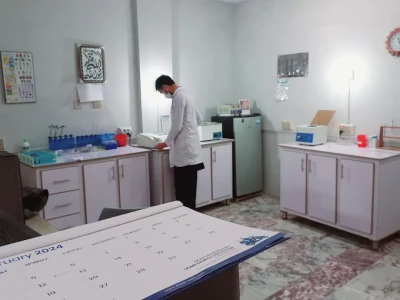
Mughal Clinical Laboratory is a medical laboratory located on Saeen Saheli Road, Mohallah Darwesh, Haripur, Khyber Pakhtunkhwa, Pakistan. The facility is publicly listed as a laboratory serving patients in Haripur and nearby communities.
The laboratory provides local access to diagnostic testing for patients who require laboratory investigations for medical assessment, routine health screening and disease monitoring. Clinical laboratories examine patient specimens and provide laboratory findings that can assist healthcare professionals in diagnosis, treatment planning and follow-up care.
Mughal Clinical Laboratory can be used for routine diagnostic investigations and other laboratory services according to its available facilities and current test menu. However, a complete official list of individual tests was not found in reliable public sources, so specific investigations should be confirmed directly with the laboratory.
Laboratory testing may involve blood, urine and other clinical specimens. Proper sample collection, identification, labeling, storage and processing are important to maintain specimen quality and support reliable laboratory results. Some investigations may also require specific patient preparation, such as fasting.
The laboratory serves the Haripur area and is located on Saeen Saheli Road in Mohallah Darwesh. Its publicly listed operating hours are 9:00 AM to 6:00 PM, seven days a week. The listed contact number is 0345-9558595.
Mughal Clinical Laboratory should be categorized as a Medical Laboratory / Diagnostic Laboratory. Since the available public information does not provide a detailed verified test catalogue, individual tests, prices, sample requirements, reporting times and home sample collection availability should be confirmed directly with the laboratory.
Address: Saeen Saheli Road, Mohallah Darwesh, Haripur, Khyber Pakhtunkhwa, Pakistan
Phone: 0345-9558595
Category: Medical Laboratory / Diagnostic Laboratory
Reported Hours: 9:00 AM – 6:00 PM, daily
Tests & Services Offered
Hematology
Hematology investigations evaluate blood cells and related blood parameters. These tests can assist healthcare professionals in investigating anemia, infection, inflammation and other blood-related conditions.
Complete Blood Count (CBC)
CBC testing evaluates major blood components including red blood cells, white blood cells, hemoglobin and platelets. It is commonly requested for routine assessment and investigation of different symptoms.
Blood Glucose Testing
Blood glucose investigations measure glucose levels in the blood and may be used for diabetes screening, diagnosis and monitoring.
Clinical Chemistry
Clinical chemistry involves analysis of biochemical substances in blood and other appropriate specimens. These investigations can provide information relevant to metabolic health and selected organ functions.
Liver Function Tests
Liver-related investigations assess selected biochemical markers associated with liver health and function. A liver profile may contain multiple parameters depending on the laboratory's current test menu.
Kidney Function Tests
Kidney function investigations evaluate selected biochemical markers associated with renal function. Common investigations may include creatinine, urea and related parameters where available.
Lipid Profile
Lipid profile testing evaluates cholesterol and triglyceride-related parameters. These investigations may be requested for cardiovascular risk assessment and routine health monitoring.
Urine Examination
Routine urine testing evaluates the physical, chemical and microscopic characteristics of urine. It can assist in investigating urinary symptoms and monitoring selected medical conditions.
Serology
Serological investigations examine blood for selected antibodies and antigens. Depending on the available facilities, these tests may support the investigation of certain infectious and immune-related conditions.
Infectious Disease Testing
Selected laboratory investigations for infectious diseases may be available depending on the laboratory's equipment and current diagnostic capabilities. Specific tests should be confirmed before sample collection.
Hormonal Investigations
Hormonal testing measures selected hormones in blood or other suitable specimens. Such investigations may be requested for endocrine or reproductive-health assessment, subject to availability.
Thyroid Testing
Thyroid investigations may be used to assess thyroid function. Common clinical investigations include TSH and thyroid hormone measurements, where available.
Routine Health Screening
Laboratory testing can support routine health assessments by evaluating selected blood, urine and biochemical parameters. The appropriate investigations depend on the patient's symptoms, medical history and healthcare professional's recommendations.
Specialized Laboratory Investigations
Some advanced laboratory investigations require specialized equipment or techniques and may not be performed at every local laboratory. Tests outside the available facilities may require referral to a reference laboratory.
Sample Collection
Proper specimen collection is an essential part of diagnostic testing. Blood, urine and other clinical specimens should be correctly identified, collected, labeled and handled according to the requirements of the investigation.
Laboratory Reporting
After analysis, laboratory findings are compiled into reports for patients and healthcare professionals. Reporting times can vary according to the type and complexity of the investigation.
Doctor-Referred Testing
Healthcare professionals may recommend laboratory investigations based on symptoms, medical history and clinical findings. Patients should confirm the availability and preparation requirements of a requested test before providing a specimen.
Follow-Up Testing
Patients undergoing treatment or monitoring may require repeat laboratory investigations. Follow-up testing can help healthcare professionals assess changes in laboratory values over time.
Important Note
Mughal Clinical Laboratory is publicly listed as a medical laboratory in Haripur. A complete current official test menu could not be independently verified. Therefore, the categories above describe common diagnostic laboratory services rather than a guaranteed list of tests performed by this facility. Specific tests, prices, preparation requirements, reporting times and home sample collection should be confirmed directly with the laboratory.