Contact Information
About Meezan Lab
Overview
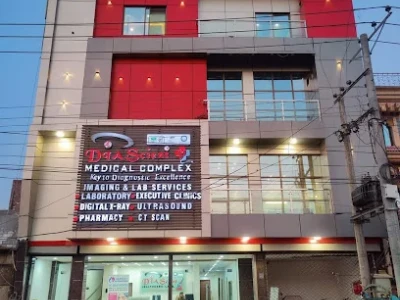
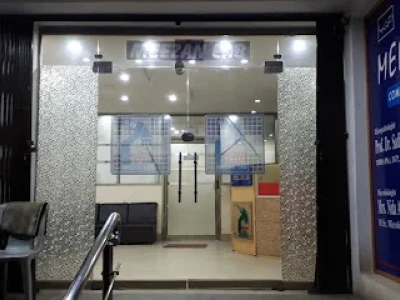
Meezan Lab is a medical diagnostic laboratory serving patients in Faisalabad, Punjab. The laboratory is included in the Punjab Healthcare Commission's registered laboratory listings, with a registered location at Rafiq Colony, Street No. 01, Jail Road, Faisalabad.
The laboratory has been associated with diagnostic services for the Faisalabad community and has also appeared in academic and medical research involving laboratory investigations. Published research has identified Meezan Lab as a diagnostic laboratory serving tertiary-care hospitals and outpatient populations in Faisalabad.
Location in Faisalabad
Meezan Lab has listings associated with different locations in Faisalabad. One documented facility is located at Lane No. 1, Rafiq Colony, Jail Road, opposite Zakaria Masjid, Mustaffabad, Faisalabad. Another listing identifies Meezan Laboratory on Chen One Road, People's Colony No. 1, Faisalabad.
Because laboratory branches and collection points can change, patients should confirm the appropriate location before visiting.
Clinical Diagnostic Services
The primary role of a clinical laboratory is to examine patient specimens and provide laboratory results that can assist healthcare professionals with diagnosis, screening, treatment monitoring, and assessment of disease.
Depending on the investigation requested, laboratory specimens may include blood, urine, tissue, and other clinical samples.
Pathology and Diagnostic Expertise
Meezan Lab has documented involvement in pathology-related work. A College of Physicians and Surgeons Pakistan educational bulletin lists Prof. Tariq Mahmood in connection with Meezan Lab, Faisalabad, in a histopathology educational activity.
Published research has also associated the laboratory with histopathology-related diagnostic work, demonstrating its involvement in specialist pathology services.
Laboratory Testing for Patients
Laboratory investigations can provide important information about blood cells, biochemical markers, infections, metabolic conditions, organ function, hormones, and tissue abnormalities.
Doctors may request individual tests or groups of investigations depending on a patient's symptoms, medical history, examination findings, or treatment requirements.
Histopathology and Tissue Examination
Histopathology is an important area of laboratory medicine in which tissue specimens are examined to identify cellular and structural abnormalities.
Meezan Lab has been associated with histopathology in academic and professional pathology activities. Such work can be relevant to the evaluation of biopsy and surgical specimens and other tissue samples.
Microbiology and Infection Investigation
Microbiology-related laboratory testing can assist in the investigation of infectious diseases. Testing may involve clinical specimens and laboratory methods used to identify microorganisms or assess infection-related findings.
A published Faisalabad study using Meezan Lab investigated urinary tract bacterial pathogens and antibiotic susceptibility patterns, providing evidence of the laboratory's involvement in microbiological diagnostic work.
Support for Healthcare Providers
Laboratory results are intended to support clinical decision-making. Doctors may use laboratory findings alongside symptoms, physical examination, medical history, imaging studies, and other diagnostic information.
A laboratory report should therefore be interpreted in its proper clinical context rather than being considered independently.
Sample Collection and Processing
Proper specimen collection is an important part of laboratory testing. Patient identification, appropriate sample containers, correct collection procedures, transportation, storage, and laboratory processing can all influence the quality of a result.
Patients should follow any instructions given by the laboratory or healthcare provider before providing a specimen.
Laboratory Reporting
Diagnostic reports provide the results of requested investigations and may include reference ranges or other information relevant to interpretation.
Patients should discuss abnormal or unexpected findings with a qualified healthcare professional rather than relying on a laboratory report alone for diagnosis or treatment decisions.
Community and Research Role
Meezan Lab has appeared in published medical research involving Faisalabad patients and clinical specimens. This includes research related to urinary tract bacterial pathogens as well as pathology-focused work.
This connection with academic and professional pathology activities adds to the laboratory's documented role within the local diagnostic healthcare environment.
Important Information
Publicly available sources confirm Meezan Lab's presence in Faisalabad and its registration listing, but a complete current branch-wise test menu and pricing schedule was not available from the sources reviewed.
Patients should confirm the availability of a specific test, current fee, sample requirements, reporting time, and branch location directly with Meezan Lab before visiting.
Contact and Location
Name: Meezan Lab / Meezan Laboratory
Faisalabad Registered Location: Rafiq Colony, Street No. 01, Jail Road, Faisalabad
Other Listed Location: Chen One Road, People's Colony No. 1, Faisalabad
Phone listed for Faisalabad locations: +92 41 2644567
Category: Medical Laboratory / Diagnostic Laboratory
The Punjab Healthcare Commission lists Meezan Laboratory among registered laboratories in Faisalabad.
Tests & Services Offered
Clinical Laboratory Testing
Meezan Lab provides clinical laboratory services for diagnostic investigation of patient specimens. Its documented role in Faisalabad includes laboratory testing for outpatient and tertiary-care populations.
The exact test menu can vary by branch and may change over time, so individual test availability should be confirmed before visiting.
Hematology Testing
Hematology investigations focus on blood cells and related components. These tests can help physicians evaluate conditions affecting red blood cells, white blood cells, hemoglobin, platelets, and other blood parameters.
Common clinical applications include the investigation of anemia, infections, inflammation, bleeding-related problems, and other blood disorders.
Clinical Chemistry
Clinical chemistry involves analysis of biochemical substances in blood and other specimens. These investigations can help assess metabolic status and provide information about organs such as the liver and kidneys.
Commonly requested areas include blood glucose, renal-related investigations, liver-related investigations, lipid testing, electrolytes, and other biochemical markers, depending on the laboratory's current test menu.
Diabetes-Related Testing
Laboratory testing can be used to assess and monitor blood glucose and other markers associated with diabetes and metabolic health.
The appropriate investigation may depend on whether the doctor is screening for diabetes, evaluating symptoms, or monitoring an existing condition.
Liver Function Investigations
Liver-related laboratory investigations measure biochemical markers that can help doctors evaluate liver function and investigate abnormalities associated with hepatic conditions.
These tests may be requested as part of routine evaluation, disease monitoring, or investigation of symptoms.
Kidney Function Investigations
Renal laboratory investigations provide information about kidney function and related biochemical parameters.
Doctors may request these tests when assessing suspected kidney disease, monitoring an existing condition, or evaluating patients before certain treatments or procedures.
Lipid Testing
Lipid investigations evaluate blood fats such as cholesterol and triglycerides. These tests can contribute to cardiovascular risk assessment and may be requested during routine health screening or for monitoring patients with abnormal lipid levels.
Urine Testing
Urine examination is an important component of diagnostic laboratory medicine. It can provide information related to the urinary tract, kidneys, infections, metabolic conditions, and other health problems.
Meezan Lab has also been associated with published research involving urine samples and urinary tract bacterial pathogens in Faisalabad.
Microbiology Services
Microbiology testing investigates microorganisms associated with infectious diseases. Depending on the specimen and suspected infection, testing can involve culture-based investigations and other laboratory techniques.
A published laboratory-based study conducted at Meezan Lab examined urinary tract bacterial pathogens and their antibiotic susceptibility patterns.
Histopathology
Histopathology involves microscopic examination of tissue specimens to identify abnormal cellular or structural changes.
Meezan Lab has documented involvement in histopathology, including participation in professional educational activities and published pathology-related research.
Cytology
Cytology involves examination of individual cells or groups of cells obtained from clinical specimens. It can be useful in evaluating abnormal cellular changes and supporting the investigation of different diseases.
Specific cytology procedures available at the laboratory should be confirmed directly.
Tissue and Biopsy Examination
Tissue specimens obtained through biopsy or surgical procedures may require specialist pathological examination. Histopathological assessment can help physicians understand the nature of an abnormal lesion or tissue change.
Meezan Lab has documented specialist pathology involvement, although the exact current range of biopsy services should be verified with the laboratory.
Infection-Related Investigations
Laboratory testing can support the evaluation of bacterial, viral, fungal, and other infectious conditions. The appropriate test depends on the suspected infection and the specimen collected.
Doctors may request microbiological, hematological, biochemical, serological, or other investigations depending on the clinical situation.
Hormonal and Endocrine Testing
Hormone investigations may be requested for the evaluation of thyroid, reproductive, metabolic, and other endocrine conditions.
The exact hormone tests available at a particular Meezan Lab location should be confirmed before sample collection.
Routine Health Screening
Laboratory testing can also form part of routine health assessments. Depending on individual requirements, screening may include selected blood, glucose, lipid, liver, kidney, urine, or other investigations.
A doctor or healthcare professional can recommend the tests most appropriate for a patient's age, symptoms, medical history, and risk factors.
Pathology Consultation and Interpretation
Specialist pathology interpretation can be important for tissue and cytology specimens. Meezan Lab has been represented in professional histopathology educational activities, including participation by Prof. Tariq Mahmood.
Sample Collection and Handling
Laboratory services depend on appropriate specimen collection and handling. Patients may be given specific instructions regarding fasting, medication, timing, sample containers, or other preparation requirements depending on the requested investigation.
Diagnostic Reports
After laboratory analysis, results are reported for review by the requesting healthcare professional. Patients should compare results with the laboratory's stated reference ranges and discuss clinically important findings with their doctor.
Important Information About the Test Menu
The sources reviewed confirm Meezan Lab's clinical laboratory presence and documented pathology and microbiology work, but they do not provide a complete current test-by-test catalogue for every Faisalabad location.
For accurate website information, individual tests should therefore be added only after confirming them with the laboratory. Patients should verify:
Test availability, current fee, fasting requirements, specimen type, report turnaround time, branch location, and whether a particular investigation is performed at the selected branch or referred elsewhere.
Service Summary
Meezan Lab can be described as a Faisalabad medical laboratory with documented involvement in clinical diagnostic testing, pathology, histopathology, microbiology, urine-based investigations, and laboratory research. Published medical literature provides additional evidence of its role in diagnostic and pathology-related work in Faisalabad.