Contact Information
About Aman medical laboratory
Aman Medical Laboratory is a medical laboratory located in Civil Quarters, Peshawar, Pakistan. It is listed as a medical laboratory providing laboratory and diagnostic testing services for patients in the local community. The available business listing identifies its location as 2H25+3VC, Civil Quarters, Peshawar and provides the contact number +92 303 9646457.
Medical laboratories are an important part of healthcare because laboratory investigations provide measurable information that can support doctors and healthcare professionals in evaluating a patient's health. Tests may be requested for routine health screening, investigation of symptoms, diagnosis support, treatment monitoring, or follow-up care.
Aman Medical Laboratory can serve patients who need routine medical investigations based on a doctor's recommendation or for general health assessment. Laboratory testing may involve different types of clinical samples, including blood, urine, stool, and other specimens, depending on the investigation required.
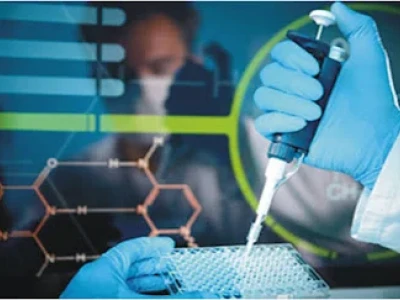
The laboratory testing process generally includes patient registration, sample collection, identification, processing, analysis, and preparation of diagnostic reports. Proper sample collection and handling are essential because the condition and quality of a specimen can affect the reliability of laboratory findings.
Blood investigations are among the commonly requested diagnostic services in medical laboratories. They can provide information about blood-cell parameters, glucose levels, kidney and liver-related indicators, cholesterol, vitamins, and other measurable health markers. Other laboratory investigations may focus on urine, stool, hormones, infections, or specialized clinical parameters.
Aman Medical Laboratory is also relevant to patients looking for convenient access to diagnostic testing in Peshawar. According to the available listing, the laboratory operates 24 hours, making it potentially convenient for patients who require laboratory services outside conventional working hours.
Laboratory quality depends on appropriate procedures, trained personnel, suitable equipment, sample identification, quality-control practices, and accurate documentation. Each stage of the testing process contributes to the quality of the final laboratory report.
Patients may need to follow specific preparation instructions before certain investigations. Some tests require fasting, while others may require a particular type of specimen or collection procedure. It is advisable to confirm preparation requirements, test charges, and expected reporting time before providing a sample.
Laboratory reports should generally be interpreted by a qualified healthcare professional in combination with the patient's symptoms, medical history, physical examination, and other relevant investigations. A laboratory result alone does not necessarily establish a complete medical diagnosis.
Aman Medical Laboratory can therefore be presented as a local diagnostic laboratory serving patients in Peshawar with medical testing and laboratory-related services. For the latest information regarding individual tests, prices, home sample collection, report delivery, and specialized investigations, patients should contact the laboratory directly.
Tests & Services Offered
Aman Medical Laboratory Peshawar provides medical laboratory and diagnostic testing services for patients requiring laboratory investigations. Publicly available information associated with the laboratory lists routine diagnostic testing, while the exact current test menu and prices should be confirmed directly with the laboratory.
Complete Blood Count (CBC):
CBC is a commonly requested blood investigation that evaluates major blood-cell parameters, including red blood cells, white blood cells, and platelets. It may be used as part of a general health assessment.
Kidney Function Tests:
Kidney-related laboratory investigations can include measurements such as creatinine, urea, and other parameters used to assess kidney function. Specific tests are normally selected according to the patient's medical requirements.
Liver Function Tests:
Liver-related investigations may measure enzymes, proteins, bilirubin, and other biochemical markers that can provide information about liver function.
Blood Glucose Testing:
Blood glucose testing measures the level of glucose in the blood. It can be used for routine screening and monitoring of blood sugar levels.
HbA1c:
HbA1c is a blood test that provides an indication of average blood glucose levels over the previous few months and is commonly used for diabetes assessment and monitoring.
Lipid Profile:
A lipid profile measures blood fats such as cholesterol and triglycerides. It can be used as part of cardiovascular risk assessment and general health screening.
Vitamin D Testing:
Vitamin D testing measures the level of vitamin D in the blood and may be recommended when assessment of vitamin D status is required.
Hematology:
Hematology focuses on blood cells and related parameters. Different hematology investigations can provide information about blood health and may support the evaluation of blood-related conditions.
Clinical Biochemistry:
Clinical biochemistry involves analysis of biochemical substances in blood and other biological samples. These investigations can provide information about metabolic and organ-related functions.
Urine Examination:
Urine testing involves the examination of urine samples and can provide useful information about urinary and general health. The type of urine investigation depends on the clinical requirement.
Stool Examination:
Stool investigations involve laboratory examination of stool specimens. Specific examinations may be recommended depending on symptoms and medical requirements.
Routine Pathology Testing:
Routine pathology investigations involve examining clinical specimens to generate laboratory findings that can support medical assessment and diagnosis.
Sample Collection:
Proper sample collection, identification, labelling, handling, and processing are essential components of laboratory testing. Patients should follow the instructions provided for the particular investigation.
Laboratory Analysis:
Collected specimens are processed and analyzed according to the relevant laboratory procedures. Appropriate quality-control and documentation practices are important throughout the testing process.
Diagnostic Reports:
After analysis, laboratory findings are compiled into reports. These reports can be shared with doctors or healthcare professionals for appropriate clinical interpretation.
Health Screening:
Laboratory investigations can also be used for routine health checkups and preventive screening. The appropriate tests depend on individual health requirements and professional medical advice.
Important Note:
The publicly available listing confirms Aman Medical Laboratory as a medical laboratory in Civil Quarters, Peshawar and provides the phone number +92 303 9646457. The exact current individual tests, fees, home sample collection, and specialized diagnostic services should be confirmed directly with the laboratory before publishing them as verified services.