Contact Information
About CIGTL(Certified international gemstone testing laboratory)
About CIGTL (Certified International Gemstone Testing Laboratory)
CIGTL (Certified International Gemstone Testing Laboratory) is a gemstone testing and identification laboratory focused on the examination, identification, and evaluation of gemstones and related precious materials. Gemstone laboratories play an important role in the jewellery and gemstone industry by providing professional testing and documentation that can help buyers, sellers, jewellers, collectors, and other stakeholders understand the identity and characteristics of a gemstone.
Gemstones can vary significantly in their origin, composition, colour, clarity, treatment, and quality. Visual appearance alone is not always sufficient to determine whether a stone is natural, synthetic, treated, or a particular variety of gemstone. Laboratory testing can therefore provide additional scientific information about a gemstone and help distinguish between different materials.
CIGTL provides gemstone testing services designed to examine gemstones using appropriate gemological methods and instruments. Depending on the type of stone and the examination required, testing may focus on identifying the gemstone species or variety, determining whether the material is natural or synthetic, detecting indications of treatment, and documenting observable gemological characteristics.
Gemstone identification is an important service for the jewellery trade. Stones such as ruby, sapphire, emerald, diamond, tourmaline, topaz, aquamarine, garnet, amethyst, peridot, citrine, opal, and other coloured gemstones can have similar visual characteristics, while their internal properties and composition may be significantly different. Professional laboratory examination can help establish the identity of a gemstone based on its measurable and observable characteristics.
A gemstone testing laboratory may examine characteristics such as colour, transparency, lustre, refractive behaviour, specific gravity, inclusions, optical properties, and other identifying features. These characteristics can provide useful evidence when determining the nature of a gemstone.
Treatment detection is another important aspect of gemstone testing. Many gemstones available in the international jewellery market may undergo various treatments to improve colour, clarity, durability, or appearance. Depending on the gemstone and available testing methods, laboratory examination may identify indications of treatments such as heating, filling, dyeing, irradiation, impregnation, or other enhancement processes.
The distinction between natural and synthetic gemstones is also important for buyers and the jewellery industry. Natural gemstones are formed through geological processes, while synthetic gemstones are produced through controlled manufacturing processes and may have chemical and physical characteristics similar to their natural counterparts. Laboratory examination can help identify relevant features that distinguish natural stones from synthetic materials.
CIGTL can also provide gemstone documentation in the form of laboratory reports or certificates, depending on the service requested. A gemstone report may contain information about the stone examined, its identification, weight, measurements, colour, transparency, and other relevant observations. The information included in a report depends on the type of examination and the laboratory service selected.
Gemstone reports can be useful for jewellery businesses, gemstone dealers, collectors, and customers who want documented information about a particular stone. A laboratory report may also help improve transparency between buyers and sellers by providing an independent examination of the gemstone.
Gemological testing is particularly valuable for high-value gemstones where accurate identification and treatment information can have a significant effect on market value. However, laboratory identification and grading are different from commercial valuation. The monetary value of a gemstone may depend on multiple factors, including quality, market demand, origin, rarity, treatment, size, colour, clarity, cutting, and current market conditions.
CIGTL's laboratory services can therefore support informed decision-making within the gemstone and jewellery sector. Customers may submit individual gemstones for examination according to the laboratory's available services and requirements.
Proper handling of gemstones is also important during laboratory examination. Customers should provide accurate information when submitting stones for testing and should understand the scope of the requested examination. Different gemstones and testing requirements may require different examination procedures.
Gemstone testing is not limited to loose stones. Depending on laboratory facilities and service policies, jewellery pieces or mounted gemstones may also be examined, although the type and accuracy of testing can vary when a gemstone is mounted in jewellery. Customers should confirm whether a particular mounted item can be tested and what information can be provided.
CIGTL can serve as a useful resource for individuals and businesses seeking professional gemstone identification and testing services. Its laboratory-based approach can provide documented information that supports greater confidence when buying, selling, collecting, or evaluating gemstones.
The exact testing methods, certificate formats, report details, turnaround times, fees, and types of gemstones accepted may vary according to the laboratory's current services. Customers are advised to confirm the available service and testing requirements directly with CIGTL before submitting a gemstone.
Overall, CIGTL (Certified International Gemstone Testing Laboratory) represents a gemstone-focused testing facility where scientific gemological examination can help provide greater clarity about the identity and characteristics of gemstones. Professional gemstone testing can contribute to transparency, informed purchasing decisions, and better documentation within the jewellery and gemstone market.
Tests & Services Offered
professional gemological testing, identification, and certification services for gemstone traders, jewelers, collectors, and enthusiasts.Scientific determination of gemstone species, variety, and whether the material is natural, synthetic, or assembled.Tests & Services
CIGTL (Certified International Gemstone Testing Laboratory) provides gemstone-related testing and identification services designed to examine precious and semi-precious stones. The exact availability of individual services may depend on the gemstone type, laboratory facilities, and examination requested.
Gemstone Identification
Gemstone identification is one of the key laboratory services. The examination can help determine the gemstone species or variety based on its gemological characteristics.
Possible gemstones for identification may include:
- Ruby
- Sapphire
- Emerald
- Diamond
- Tourmaline
- Aquamarine
- Topaz
- Garnet
- Amethyst
- Citrine
- Peridot
- Opal
- Tanzanite
- Zircon
- Spinel
- Turquoise
- Quartz varieties
- Other coloured gemstones
Natural vs Synthetic Testing
Laboratory examination may be used to determine whether a gemstone is natural or synthetic. This distinction is important because natural and laboratory-created gemstones can have different origins and market characteristics.
Testing may examine internal characteristics, optical properties, inclusions, growth patterns, and other gemological features relevant to identification.
Gemstone Treatment Detection
Treatment detection is an important service for gemstones that may have been enhanced to improve their appearance.
Depending on the stone, laboratory examination may look for indications of:
- Heat Treatment
- Fracture Filling
- Glass Filling
- Dye Treatment
- Irradiation
- Impregnation
- Surface Coating
- Other Enhancement Processes
The ability to detect a particular treatment depends on the gemstone and the testing methods available.
Gemstone Certification
CIGTL may provide gemstone laboratory reports or certificates for examined stones, depending on the selected service. Documentation can provide information about the gemstone examined and relevant gemological observations.
A certificate or report may include information such as:
- Gemstone Identification
- Natural or Synthetic Status
- Weight
- Measurements
- Colour
- Transparency
- Shape and Cut
- Treatment Observations
- Other Gemological Characteristics
Gemstone Examination
Detailed gemological examination may involve observing the gemstone's physical and optical characteristics. The laboratory may examine factors such as:
- Colour
- Transparency
- Lustre
- Inclusions
- Optical Characteristics
- Refractive Behaviour
- Specific Gravity
- Surface Features
- Internal Characteristics
These observations can contribute to the identification and documentation of a gemstone.
Diamond Testing
Diamond examination may include identification and assessment of relevant characteristics. Depending on the laboratory's available facilities, testing may help distinguish diamonds from diamond simulants and identify certain characteristics or treatments.
Possible services may include:
- Diamond Identification
- Natural vs Synthetic Diamond Examination
- Diamond Weight Measurement
- Colour Observation
- Clarity Observation
- Measurements
- Treatment Examination
- Diamond Documentation
Coloured Gemstone Testing
Coloured gemstones can be submitted for laboratory examination to help establish their identity and relevant characteristics.
Possible gemstone categories include:
- Corundum
- Beryl
- Garnet
- Tourmaline
- Quartz
- Topaz
- Spinel
- Zircon
- Feldspar
- Other Coloured Gemstones
Ruby Testing
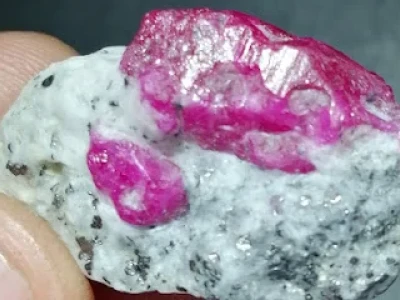
Ruby testing may focus on identifying corundum with a red colour and examining characteristics that help distinguish natural ruby from synthetic or treated material.
Laboratory examination may also look for indications of heat treatment or other enhancements.
Sapphire Testing
Sapphire examination may involve identification of corundum varieties, colour observation, internal characteristics, and examination for possible treatments.
Where applicable, laboratory testing may help identify whether a sapphire is natural or synthetic and whether indications of treatment are present.
Emerald Testing
Emerald examination may include identification of the gemstone, observation of inclusions and other characteristics, and examination for indications of enhancement or treatment.
Gemstone Weight & Measurements
Laboratory examination may include recording the gemstone's weight and physical measurements. Weight may be recorded in carats, while dimensions may be measured according to the laboratory's reporting procedure.
Jewellery & Mounted Stone Examination
Depending on laboratory policy and available equipment, gemstone testing may also be possible for stones mounted in jewellery. The scope of examination can be affected by the mounting, so customers should confirm the available testing options before submission.
Gemstone Reports
Laboratory reports provide documented information about the gemstone examined. Reports may be useful for:
- Jewellery Businesses
- Gemstone Dealers
- Collectors
- Retailers
- Buyers
- Sellers
- Private Owners
The exact information included depends on the type of examination requested.
Professional Gemological Consultation
Customers may require assistance understanding gemstone identification, treatment information, laboratory reports, or testing requirements. Gemological consultation can help explain the scope and limitations of laboratory examination.
Important Note
Gemstone laboratory testing and certification provide information based on the examination performed and the methods available. A gemstone identification report should not automatically be considered a monetary valuation or guarantee of market price.
The exact tests, certificate formats, fees, turnaround time, accepted gemstone types, and testing methods available at CIGTL should be confirmed directly with the laboratory before submitting a gemstone for examination.