About Fayyaz Lab
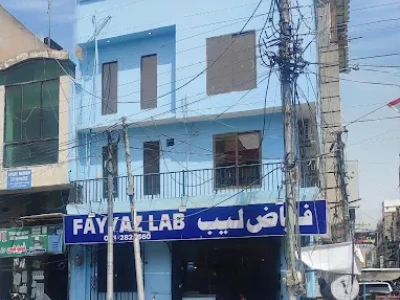
Fayyaz Lab is a medical diagnostic laboratory located in Quetta, Balochistan, providing laboratory testing and diagnostic services for patients and healthcare professionals. Available business listings identify Fayyaz Lab as a medical laboratory in Quetta, with its location associated with M.A. Jinnah Road.
The laboratory provides access to diagnostic investigations that can assist in routine health screening, medical evaluation, disease investigation, and monitoring of different health conditions. Patients may visit the laboratory for tests recommended by doctors or for routine laboratory investigations.
Fayyaz Lab handles clinical samples required for different laboratory examinations. Depending on the investigation, samples may include blood, urine, stool, and other specimens. Proper sample collection, handling, processing, and analysis are important steps in laboratory testing.
Laboratory investigations can provide useful information about blood cells, glucose levels, liver and kidney function, cholesterol, hormones, infections, and other health indicators. These results can support healthcare professionals when assessing a patient's medical condition.
Patients may require individual laboratory tests or multiple investigations depending on their symptoms, medical history, doctor's recommendations, or routine health screening requirements. Some tests may require specific preparation, such as fasting before sample collection.
After testing is completed, laboratory results are compiled into diagnostic reports. These reports should be reviewed by a qualified healthcare professional who can interpret the findings together with the patient's symptoms, medical history, and other clinical information.
Fayyaz Lab is listed as a medical laboratory in Quetta and is reported to operate daily, with commonly listed hours from 8:00 AM to 10:00 PM. The listed contact number is (081) 2822360.
The exact tests, charges, preparation requirements, and reporting times may vary according to the investigation. Patients should confirm the availability of a specific test and its preparation requirements before visiting the laboratory.
Tests & Services Offered
Hematology Tests
Hematology investigations examine blood cells and related blood parameters. Common tests may include Complete Blood Count (CBC), Hemoglobin, Platelet Count, ESR, Red Blood Cell Count, White Blood Cell Count, and other hematological investigations.
Complete Blood Count (CBC)
CBC evaluates important components of blood, including red blood cells, white blood cells, hemoglobin, hematocrit, and platelets. It is commonly used for routine health assessment and investigation of different medical conditions.
Hemoglobin Test
Hemoglobin testing measures the amount of hemoglobin in the blood and is commonly included in routine blood investigations and general health assessments.
ESR Test
Erythrocyte Sedimentation Rate (ESR) may be requested as part of the evaluation of inflammation and certain medical conditions.
Blood Sugar Tests
Blood glucose investigations are used for diabetes screening and monitoring. Depending on medical requirements, testing may include fasting blood glucose, random blood glucose, and other glucose-related investigations.
Liver Function Tests
Liver function investigations assess biochemical markers associated with liver health. These may include ALT, AST, bilirubin, alkaline phosphatase, albumin, total protein, and related parameters.
Kidney Function Tests
Kidney function testing evaluates biochemical markers related to renal health. Common investigations may include serum creatinine, blood urea, uric acid, and other kidney-related tests.
Lipid Profile
Lipid profile testing evaluates cholesterol and blood fat levels. It may include total cholesterol, triglycerides, HDL cholesterol, LDL cholesterol, and other related measurements.
Biochemistry Tests
Biochemistry investigations analyze different substances in blood and other clinical samples to provide information about metabolic processes and organ functions.
Clinical Chemistry
Clinical chemistry services involve laboratory analysis of chemicals and substances present in clinical specimens and may assist in evaluating metabolic and physiological functions.
Urine Examination
Routine urine examination evaluates physical, chemical, and microscopic characteristics of urine and may be used in the assessment of urinary and general health conditions.
Stool Examination
Stool investigations may be performed to evaluate gastrointestinal health and investigate selected abnormalities, parasites, or infections according to the requested test.
Thyroid Tests
Thyroid investigations may include TSH, T3, T4, and other thyroid-related tests used to assess thyroid function.
Hormone Tests
Hormonal investigations measure selected hormones in clinical samples and may be requested for the evaluation of endocrine, reproductive, and other hormone-related conditions.
Serology Tests
Serological investigations detect selected antibodies or antigens in blood and may be used for the investigation of infectious and immune-related conditions.
Immunology Tests
Immunology investigations assess components of the immune system, including selected antibodies, antigens, and other immune-related markers.
Microbiology Services
Microbiology investigations may be used to investigate infections caused by microorganisms. Testing depends on the type of specimen and the specific investigation requested.
Infection Screening
Selected laboratory tests may be available for screening and evaluation of infectious diseases according to medical requirements.
Vitamin Tests
Vitamin and nutritional investigations may be available for assessing selected vitamin levels and nutritional markers when recommended by a healthcare professional.
Electrolyte Tests
Electrolyte testing measures substances such as sodium and potassium that are important for normal body functions and fluid balance.
Blood Group Testing
Blood group testing identifies ABO and Rh blood groups and may be required for medical procedures, transfusion-related needs, pregnancy care, and other healthcare purposes.
Coagulation Tests
Coagulation investigations assess blood-clotting mechanisms. Depending on available services, these may include PT, INR, and other clotting-related tests.
Routine Health Screening
Routine laboratory investigations can support general health checkups and preventive screening. Doctors may recommend individual tests or groups of investigations according to a patient's health requirements.
Sample Collection
Fayyaz Lab provides clinical sample collection and handling for laboratory investigations. The required specimen depends on the specific test being performed.
Diagnostic Reporting
After laboratory analysis is completed, results are compiled into diagnostic reports. Reports can be reviewed by a qualified healthcare professional for appropriate clinical interpretation.
Test Preparation
Certain investigations may require fasting or other preparation before sample collection. Patients should follow the instructions provided for the particular test.
Note
The exact tests, prices, sample requirements, and reporting times may vary according to the laboratory and individual investigation. Patients should confirm test availability and preparation requirements before visiting Fayyaz Lab.