Contact Information
About Harmain Diagnostic Centre
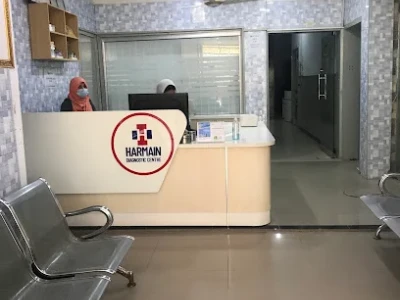
Harmain Diagnostic Centre is a diagnostic laboratory in Rawalpindi providing laboratory investigation and pathology-related services. The centre is located in the Holy Family Hospital area of Satellite Town, Rawalpindi, making it accessible to patients and healthcare professionals seeking diagnostic laboratory services.
The Punjab Healthcare Commission lists Harmain Diagnostic Centre as a registered laboratory at F-833, opposite Gate No. 02, Holy Family Hospital, Rawalpindi. Publicly available information also associates the centre with laboratory professionals and medical laboratory technology services.
Diagnostic laboratories play an important role in healthcare by examining clinical specimens and providing laboratory findings that assist doctors in diagnosis, treatment planning, disease monitoring, and follow-up care. Depending on the investigation, specimens may include blood, urine, tissue samples, and other clinical materials.
Harmain Diagnostic Centre has documented involvement in pathology services. Available records specifically show histopathology work performed for a Rawalpindi hospital, including the preparation of histopathology slides. This indicates that pathology and tissue-based diagnostic work form part of the centre's laboratory capabilities.
The centre's laboratory team has also been associated with modern laboratory techniques. Public professional profiles connected with Harmain Diagnostic Centre mention laboratory testing, medical laboratory technology, and qPCR-related work. These activities demonstrate the involvement of trained laboratory personnel in diagnostic and molecular laboratory workflows.
Laboratory investigations can support the assessment of infections, blood disorders, metabolic conditions, organ function, and other medical conditions. However, the availability of individual tests can change according to equipment, laboratory capacity, referral arrangements, and current service schedules.
For patients, proper specimen collection, identification, processing, quality control, and reporting are essential components of reliable laboratory services. Laboratory findings should be interpreted by a qualified healthcare professional together with the patient's symptoms, medical history, examination findings, and other relevant investigations.
Harmain Diagnostic Centre is therefore suitable for listing as a diagnostic and pathology laboratory in Rawalpindi. The centre's verified public information supports laboratory and histopathology services, while individual routine and specialized tests should be confirmed with the laboratory before being presented as currently available services.
Tests & Services Offered
Diagnostic Laboratory Services
Harmain Diagnostic Centre provides diagnostic laboratory services for clinical investigation and pathology-related requirements. The exact current test menu should be confirmed with the laboratory because a complete publicly available list of individual tests was not found.
Histopathology
Histopathology is a documented service associated with Harmain Diagnostic Centre. Available records show the preparation of histopathology slides for a hospital pathology department. Histopathology involves examination of tissue samples to identify cellular and structural abnormalities and can assist in diagnosing different diseases.
Histopathology Slide Preparation
The laboratory has documented experience in preparing histopathology slides from tissue specimens. Proper specimen processing, preparation, staining, and slide quality are important for microscopic evaluation by a pathologist.
Tissue Examination
Tissue-based laboratory investigations may be performed for diagnostic evaluation when a tissue specimen has been obtained through an appropriate medical procedure. The specific types of tissue specimens accepted should be confirmed directly with the laboratory.
Hematology
Hematology investigations evaluate blood cells and related parameters. Depending on the laboratory's current test menu, hematology services may support the investigation of anemia, infection, inflammation, and other blood-related conditions.
Complete Blood Count
A Complete Blood Count may be included among routine laboratory investigations at a diagnostic laboratory. CBC testing evaluates important blood parameters including red blood cells, white blood cells, hemoglobin, hematocrit, and platelets.
Clinical Chemistry
Clinical chemistry investigations analyze biochemical substances in blood and other specimens. Such testing can support the assessment of metabolic health and organ function.
Blood Glucose Testing
Blood glucose testing is commonly used for diabetes screening, diagnosis, and monitoring. Individual glucose-related investigations and preparation requirements should be confirmed with the laboratory.
Liver Function Testing
Liver-related biochemical investigations can assist doctors in evaluating liver function and monitoring patients with suspected or known liver conditions. The exact liver profile available should be confirmed.
Kidney Function Testing
Kidney function investigations assess selected biochemical markers associated with renal health. These tests may be requested during routine screening or when kidney disease is suspected.
Lipid Profile
Lipid testing evaluates cholesterol and triglyceride-related parameters and may be used for cardiovascular risk assessment and routine health screening.
Urine Examination
Routine urine investigations can help identify abnormalities involving the urinary tract, kidneys, glucose, protein, and other measurable urinary parameters.
Microbiology
Microbiology investigations are used to identify microorganisms and support the diagnosis of infectious conditions. The exact culture and microbiology services available should be confirmed directly.
Serology
Serological testing examines antibodies, antigens, or other immune-related markers. Depending on the current laboratory menu, these investigations may be used for selected infectious and immune-related conditions.
Molecular Testing
Professional information associated with Harmain Diagnostic Centre mentions qPCR-related laboratory work. Molecular testing such as PCR can be used to detect genetic material from microorganisms or analyze specific molecular targets when the appropriate equipment and assays are available.
qPCR Testing
Quantitative polymerase chain reaction, or qPCR, is a molecular laboratory technique used for detecting and measuring specific nucleic-acid targets. The availability of particular qPCR assays depends on the laboratory's current molecular testing setup.
Routine Health Screening
Laboratory investigations can be used as part of general health screening and preventive healthcare. A screening panel may include blood, biochemical, urine, or other investigations according to the patient's requirements.
Pathology Support
Pathology services provide laboratory information that can assist physicians and specialists in diagnosis, treatment planning, and disease monitoring. Histopathology is particularly important when tissue examination is required.
Specimen Processing
Clinical specimens require appropriate collection, identification, transportation, preparation, and processing before analysis. Proper specimen handling helps maintain the quality and reliability of laboratory results.
Laboratory Reporting
After laboratory analysis, findings are compiled into diagnostic reports for review by healthcare professionals. Reporting times vary according to the type and complexity of the investigation.
Specialized Laboratory Investigations
Specialized tests may be available through the laboratory or referral arrangements depending on current facilities and technical capabilities. Patients should confirm availability, sample requirements, fees, and expected reporting time before submitting a specialized test.
Patient Diagnostic Support
Laboratory investigations can support the diagnosis and monitoring of infections, blood disorders, metabolic abnormalities, organ-function problems, and pathology-related conditions. Laboratory reports should always be interpreted in conjunction with professional medical assessment.


