Contact Information
About Basharat Clinical Laboratory
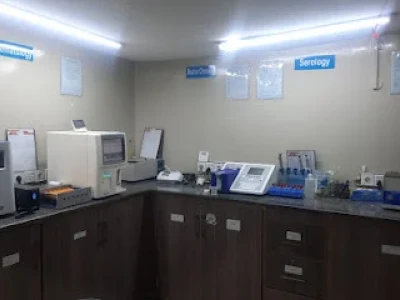
Basharat Clinical Laboratory is a clinical diagnostic laboratory and blood bank located on Main GT Road, opposite Shifa Eye Trust, in the Kotha Kalan/Morgah area of Rawalpindi. The laboratory is focused on providing clinical laboratory investigations and blood bank services to support patient diagnosis, monitoring and healthcare decision-making.
The laboratory describes itself as a clinical laboratory and blood bank facility with an emphasis on accurate and timely diagnostic results. Its services are intended to support physicians and patients by providing laboratory information that can assist in the diagnosis, screening and monitoring of different medical conditions.
Clinical laboratory testing covers a wide range of investigations performed on blood and other clinical specimens. Depending on the current laboratory facilities, routine investigations may include hematology, clinical chemistry, blood glucose, liver and kidney function testing, lipid analysis, urine examination, serology, microbiology and other diagnostic investigations.
Hematology is an important area of laboratory medicine and involves the evaluation of blood cells and related parameters. Investigations such as complete blood counts can provide useful information when assessing anemia, infection, inflammation and other blood-related conditions.
Clinical chemistry investigations evaluate biochemical substances in blood and other specimens. These tests can help healthcare professionals assess metabolic health and selected aspects of organ function. Glucose, liver-related, kidney-related and lipid investigations are commonly used in routine clinical assessment.
The laboratory also has a blood bank function. Blood banking requires careful collection, screening, storage and handling procedures to maintain the safety and quality of blood products. Basharat Clinical Laboratory states that its blood bank follows safety protocols and provides screened blood products for routine and emergency medical requirements.
Microbiology and infection-related testing can help identify microorganisms or markers associated with infectious diseases. Where applicable, culture and sensitivity investigations may also support healthcare professionals in selecting appropriate treatment.
Quality is an important part of laboratory diagnostics because the usefulness of a test result depends on appropriate specimen collection, processing, analysis and reporting. Basharat Clinical Laboratory states that it uses modern technology and skilled professionals with a focus on reliable and timely results.
The facility serves patients from Rawalpindi and surrounding areas, particularly communities around GT Road, Kotha Kalan, Morgah and nearby localities. Its location opposite Shifa Eye Trust provides a recognizable point of access for patients seeking laboratory and blood bank services.
For DoctorPakistan.com, Basharat Clinical Laboratory can be categorized as a Medical Laboratory, Clinical Diagnostic Laboratory and Blood Bank in Rawalpindi.
The laboratory's public company information confirms its clinical laboratory and blood bank functions, but a complete current test-by-test price list was not publicly verified. Individual tests, fees, reporting times, home sample collection and availability of specialized investigations should therefore be confirmed directly with the laboratory.
Tests & Services Offered
Clinical Laboratory Testing
Basharat Clinical Laboratory provides clinical diagnostic testing designed to support disease investigation, health screening and medical monitoring. Testing may involve blood and other appropriate clinical specimens.
Hematology
Hematology investigations evaluate blood cells and related parameters. These tests can assist healthcare professionals in assessing anemia, infection, inflammation and other blood-related conditions.
Complete Blood Count (CBC)
A Complete Blood Count evaluates major blood-cell parameters, including red blood cells, white blood cells and platelets. CBC testing is commonly used for routine assessment and investigation of a variety of symptoms and medical conditions.
Clinical Chemistry
Clinical chemistry testing measures biochemical substances in blood and other specimens. These investigations can provide information about metabolic health and selected aspects of organ function.
Blood Glucose Testing
Blood glucose investigations measure glucose levels and may be used for diabetes screening, diagnosis and monitoring. The specific types of glucose tests available should be confirmed with the laboratory.
Liver Function Testing
Liver-related laboratory investigations assess selected biochemical markers associated with liver health. A liver profile may contain multiple parameters depending on the current test menu.
Kidney Function Testing
Kidney function investigations evaluate selected markers associated with renal function. Common investigations may include urea and creatinine where available.
Lipid Profile
Lipid testing evaluates cholesterol and triglyceride-related parameters. It may be requested for cardiovascular risk assessment, routine screening and monitoring.
Urine Examination
Urinalysis evaluates different physical, chemical and microscopic characteristics of urine. It can support the investigation of urinary problems and may also be requested during routine medical screening.
Serology
Serological testing examines blood for selected antibodies and antigens. These investigations may assist in the evaluation of certain infectious and immune-related conditions.
Microbiology
Microbiology investigations are used to detect or identify microorganisms in suitable clinical specimens. Where available, culture and sensitivity testing can provide information useful for treatment decisions.
Infectious Disease Testing
Selected laboratory investigations may be used for screening or evaluating infectious diseases. The exact infectious disease tests available depend on the current laboratory menu and should be confirmed before testing.
Blood Bank Services
Basharat Clinical Laboratory also operates as a blood bank facility. Blood bank services involve the collection, screening, processing, storage and provision of blood products according to applicable safety procedures.
Blood Screening
Blood products require appropriate screening before use. Blood bank screening is an important safety measure designed to reduce the risk associated with transfusion-transmitted infections and incompatible blood products.
Blood Grouping and Compatibility Testing
Blood grouping and compatibility investigations are important components of transfusion services. These procedures help healthcare professionals determine suitable blood products for patients when transfusion is required.
Routine Health Screening
Laboratory investigations may be used for general health assessment and preventive screening. The appropriate investigations depend on the patient's age, symptoms, medical history and healthcare provider's recommendations.
Sample Collection
Proper specimen collection is an essential part of laboratory testing. Correct patient identification, specimen collection, labeling, storage and transportation help maintain sample quality and support reliable results.
Laboratory Reporting
After analysis, laboratory findings are compiled into diagnostic reports for patients and healthcare professionals. Reporting time can vary according to the type and complexity of the investigation.
Quality-Focused Laboratory Services
Reliable laboratory testing requires appropriate quality procedures throughout the testing process. Basharat Clinical Laboratory describes its services as being supported by skilled professionals, modern technology and quality-focused practices.
Specialized Investigations
Specialized laboratory investigations may be available depending on the laboratory's current equipment, technical capabilities and referral arrangements. Patients should confirm the availability of specialized tests before visiting.
Patient Preparation
Some laboratory investigations require fasting or other preparation before specimen collection. Patients should follow the specific instructions provided for their requested test.
The exact current test menu, individual test prices, reporting times, home sample collection options and availability of specialized investigations should be confirmed directly with Basharat Clinical Laboratory.


