Contact Information
About Cantt Lab and Medical Imaging
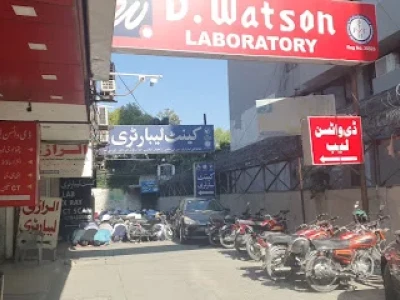
Cantt Lab and Medical Imaging is a diagnostic healthcare facility located at Al-Amin Plaza on The Mall Road in Saddar, Rawalpindi. The facility is listed by the Punjab Healthcare Commission as Cantt Lab & Medical Imaging and provides laboratory and medical imaging services for patients in Rawalpindi and surrounding areas.
The center combines clinical laboratory investigations with diagnostic imaging, allowing patients to access different types of diagnostic services at one location. Laboratory investigations can help healthcare professionals evaluate a patient's general health, investigate symptoms, support diagnosis and monitor existing medical conditions. Medical imaging provides visual information about internal organs, bones and other body structures.
Routine laboratory services may include hematology, blood glucose testing, clinical chemistry, liver and kidney function investigations, lipid testing, urine examination and selected serological investigations. The exact availability of individual tests depends on the laboratory's current equipment, technical facilities and test menu.
Hematology investigations are used to evaluate blood cells and related parameters. A Complete Blood Count may be requested during routine health assessments or when a doctor is investigating conditions such as anemia, infection or other blood-related abnormalities.
Clinical chemistry testing evaluates biochemical substances in blood and other specimens. Such investigations can provide useful information about metabolic health and selected organ functions. Blood sugar, liver function, kidney function and lipid investigations are commonly used in clinical assessment.
The medical imaging side of the facility provides diagnostic imaging services. Publicly available information specifically associates Cantt Lab and Medical Imaging with X-ray and ultrasound services. X-ray imaging can assist in evaluating bones, the chest and other anatomical structures, while ultrasound uses sound waves to produce images of internal organs and soft tissues.
Diagnostic imaging is generally performed according to a healthcare professional's recommendation. The type of examination depends on the patient's symptoms, clinical history and the body area being evaluated.
Proper patient identification, specimen handling and imaging procedures are important for producing useful diagnostic results. Patients may receive preparation instructions for certain laboratory tests or imaging examinations, and these instructions should be followed carefully.
The center is situated on Mall Road in Saddar, making it accessible to residents and patients visiting the Rawalpindi Cantonment area. Its combined laboratory and imaging setup can provide convenient access to commonly required diagnostic investigations.
For DoctorPakistan.com, Cantt Lab and Medical Imaging can be categorized as a Diagnostic Center / Medical Laboratory and Imaging Center in Rawalpindi.
The publicly available sources reviewed confirm the laboratory and imaging nature of the facility, but a complete current test-by-test laboratory menu and detailed imaging price list were not publicly verified. Individual tests, imaging procedures, fees, reporting times and preparation requirements should therefore be confirmed directly with the center.
Tests & Services Offered
Laboratory Diagnostic Services
Cantt Lab and Medical Imaging provides clinical laboratory services that support routine health assessment, diagnosis and medical monitoring. Laboratory testing may involve blood, urine and other appropriate clinical specimens.
Hematology Testing
Hematology investigations evaluate blood cells and related parameters. These tests can assist in the assessment of anemia, infection, inflammation and other blood-related conditions.
Complete Blood Count (CBC)
A Complete Blood Count evaluates red blood cells, white blood cells and platelets along with other important blood parameters. CBC testing is commonly requested during routine medical assessment and when investigating various symptoms.
Blood Glucose Testing
Blood glucose investigations measure glucose levels in the blood. They may be used for diabetes screening, diagnosis and monitoring. The availability of fasting, random or other glucose tests should be confirmed with the center.
Clinical Chemistry
Clinical chemistry investigations measure biochemical substances in blood and other specimens. These tests can provide information about metabolic health and selected aspects of organ function.
Liver Function Tests
Liver-related investigations evaluate biochemical markers associated with liver health. A liver profile may contain several parameters depending on the current laboratory test menu.
Kidney Function Tests
Kidney function investigations assess selected biochemical markers associated with renal function. Common investigations may include urea and creatinine where available.
Lipid Profile
Lipid testing evaluates cholesterol and triglyceride-related parameters. It may be recommended for cardiovascular risk assessment and routine health screening.
Urine Examination
Urinalysis evaluates different physical, chemical and microscopic characteristics of urine. It can support the investigation of urinary problems and may also be used for routine screening.
Serology
Serological investigations examine blood for selected antibodies and antigens. Such testing may support the investigation of certain infectious or immune-related conditions.
Routine Health Screening
Laboratory investigations may be requested as part of general health checkups, preventive screening or medical monitoring. The appropriate tests depend on the patient's clinical requirements.
X-Ray Imaging
X-ray is a diagnostic imaging technique used to produce images of internal body structures. It can assist healthcare professionals in evaluating bones, the chest and other anatomical areas.
Chest X-Ray
Chest radiography may be used to examine structures within the chest, including the lungs and heart region. It is commonly requested when clinically indicated for respiratory or chest-related assessment.
Musculoskeletal X-Ray
X-ray imaging can be used to evaluate bones and joints following injury, pain or suspected structural abnormalities. The exact examinations available depend on the imaging facility.
Ultrasound
Ultrasound uses high-frequency sound waves to create images of internal organs and soft tissues. It may be used for abdominal, pelvic and other diagnostic examinations depending on the available equipment and referral requirements.
Abdominal Ultrasound
Abdominal ultrasound can provide images of organs and structures within the abdomen. The examination may be requested for investigation of abdominal symptoms or monitoring of known conditions.
Pelvic Ultrasound
Pelvic ultrasound can be used to examine pelvic organs and related structures. The appropriate technique depends on the patient's clinical requirements and the doctor's recommendation.
Diagnostic Imaging Support
Medical imaging can complement laboratory investigations and clinical examination by providing structural information about the body. The appropriate imaging procedure is selected according to symptoms, medical history and clinical indication.
Sample Collection
Laboratory investigations require appropriate specimen collection and handling. Correct identification, collection, labeling and processing help maintain specimen quality and support reliable laboratory results.
Laboratory Reporting
Laboratory and imaging findings are compiled into reports for patients and healthcare professionals. Reporting times can vary according to the type and complexity of the investigation.
Patient Preparation
Some blood tests may require fasting or other preparation, while certain imaging examinations may have specific preparation requirements. Patients should follow the instructions provided by the center or referring healthcare professional.
The exact current laboratory test list, imaging services, fees, reporting times and availability of specialized investigations should be confirmed directly with Cantt Lab and Medical Imaging.


