Contact Information
About Department of Soil and Environmental Science
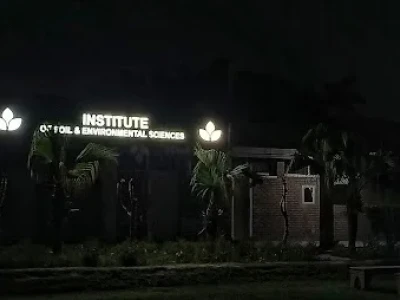
Department of Soil and Environmental Science
The Department of Soil and Environmental Science is an academic and research department focused on soil resources, environmental management, soil fertility, land resources and sustainable agricultural production. The department provides education and practical research facilities for students, researchers and professionals interested in soil science and environmental issues.
The department's academic and research activities cover the physical, chemical and biological properties of soil and their relationship with crop production and environmental quality. Its work supports better understanding of soil resources and promotes scientific approaches for improving soil health and sustainable land management.
Research activities can include soil fertility and nutrient management, soil chemistry, soil microbiology, environmental pollution, land degradation, water quality and the effects of agricultural practices on soil and the environment. The department's expertise is relevant to agriculture, environmental protection, natural-resource management and food production.
Soil and environmental laboratories provide an important part of the department's practical and research activities. Soil samples can be examined to determine characteristics such as pH, electrical conductivity, organic matter and available nutrients. Such analyses can help researchers and agricultural professionals understand soil conditions and develop suitable management recommendations.
The department also addresses environmental concerns associated with agriculture and land use. Research may focus on the movement and accumulation of pollutants, degradation of soil quality, salinity, water contamination and sustainable use of natural resources.
Teaching activities combine classroom education with laboratory and field-based practical work. Students can develop skills in soil sampling, laboratory analysis, environmental assessment, interpretation of soil data and scientific research methods.
The department contributes to agricultural research by studying ways to improve soil productivity while maintaining environmental sustainability. Soil testing and scientific assessment can help identify nutrient deficiencies, salinity and other soil-related limitations affecting agricultural production.
Through its academic programs, research projects and laboratory facilities, the Department of Soil and Environmental Science supports the development of trained professionals capable of addressing modern challenges related to soil management, environmental pollution and sustainable agriculture.
The department also provides a platform for research collaboration involving agriculture, environmental sciences, biotechnology, water resources and related disciplines. Its work can contribute to improved resource management and environmentally responsible agricultural practices.
Tests & Services Offered
Soil Testing
Soil testing is an important service for evaluating the physical and chemical condition of agricultural soil. Samples can be analyzed to identify nutrient status, acidity or alkalinity and other characteristics that influence crop growth.
Soil pH Testing
Soil pH testing determines whether soil is acidic, neutral or alkaline. The result can help in understanding nutrient availability and identifying soils that may require appropriate management or amendment.
Electrical Conductivity Testing
Electrical conductivity (EC) is used to assess the concentration of soluble salts in soil. EC testing can help identify salinity-related problems that may affect plant growth and agricultural productivity.
Soil Fertility Analysis
Soil fertility analysis evaluates important nutrients and properties required for healthy crop growth. Testing can support the development of suitable fertilizer and soil-management recommendations.
Organic Matter Analysis
Organic matter testing measures the organic component of soil and provides useful information about soil quality and fertility. Organic matter is important for soil structure, moisture retention and nutrient cycling.
Nutrient Analysis
Laboratory analysis can be used to determine available plant nutrients in soil. Depending on the laboratory facilities, testing may include nutrients such as nitrogen, phosphorus and potassium along with selected micronutrients.
Soil Salinity Assessment
Soil analysis can help identify salinity and related soil constraints. Testing electrical conductivity and other relevant parameters can assist in assessing the severity of salt-related problems.
Water Quality Testing
Environmental and agricultural water samples can be analyzed for selected physical and chemical characteristics. Water-quality assessment is useful for evaluating suitability for irrigation and identifying potential environmental concerns.
Environmental Sample Analysis
The department's environmental research facilities can support analysis of samples associated with environmental studies. Depending on the available laboratory facilities, investigations may involve soil, water and other environmental samples.
Soil Pollution Assessment
Soil testing can be used to investigate contamination and pollution-related concerns. Research may involve the assessment of potentially harmful substances and their effects on soil quality and agricultural systems.
Heavy Metal Analysis
Specialized environmental investigations may include analysis of heavy metals in soil and water samples. Such testing is useful in research involving industrial pollution, agricultural contamination and environmental quality.
Soil Microbiological Studies
Soil microbiological investigations examine microorganisms present in soil and their role in nutrient cycling, soil fertility and plant health. These studies support research into beneficial and harmful soil microorganisms.
Field Soil Sampling
Proper soil sampling is an essential part of reliable soil analysis. Samples can be collected from representative areas and prepared according to the requirements of the specific laboratory investigation.
Soil Fertility Recommendations
Laboratory results can be interpreted to help identify nutrient deficiencies and soil-related limitations. The findings may support recommendations for fertilizer application and other soil-management practices.
Environmental Research
The department supports research related to environmental pollution, soil degradation, water quality, sustainable agriculture and natural-resource management. These research activities help develop scientific approaches to environmental challenges.
Land Degradation Studies
Research may examine processes such as soil erosion, salinity, declining fertility and other forms of land degradation. Such studies can help identify strategies for protecting and restoring soil resources.
Agricultural Soil Management
Soil analysis and research findings can support improved management of agricultural land. Appropriate soil-management practices can help maintain productivity while reducing environmental impacts.
Laboratory Research
The department provides an academic environment for laboratory-based research in soil science and environmental science. Students and researchers can conduct investigations involving soil properties, nutrients, microorganisms and environmental quality.
Student Practical Training
Students receive practical exposure to soil and environmental laboratory techniques. Training can include sample collection, preparation, analytical procedures, laboratory safety and interpretation of test results.
Research Consultation
Faculty and technical staff can provide academic and research guidance related to soil science, environmental assessment and agricultural resource management. The availability of specific testing or consultancy services should be confirmed with the department.