Contact Information
About Ghauri Diagnostic Laboratories
Ghauri Diagnostic Laboratories
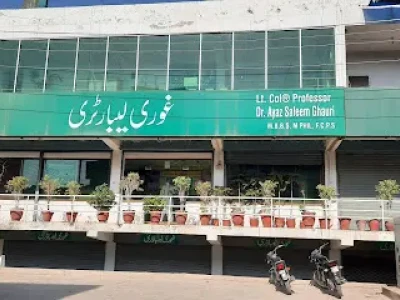
Ghauri Diagnostic Laboratories is a medical diagnostic laboratory located on Nishtar Road, near Bridge, Multan. The laboratory provides diagnostic testing services for patients who require laboratory investigations for routine health screening, disease evaluation, and medical monitoring.
Diagnostic Laboratory Facility
Ghauri Diagnostic Laboratories serves patients in Multan and surrounding areas through laboratory-based diagnostic services. The facility is located in the Nishtar Road area, which is an important healthcare zone of Multan with several hospitals, clinics, pharmacies, and diagnostic centers.
Laboratory Testing
Diagnostic laboratory testing can provide doctors with important information about a patient's health. Depending on the requested investigation, laboratory testing may involve blood, urine, and other clinical samples. Tests can be requested for routine screening, investigation of symptoms, diagnosis support, and monitoring of existing medical conditions.
Blood and Hematology Investigations
Hematology testing focuses on blood cells and related parameters. Common investigations in this category may include Complete Blood Count (CBC), hemoglobin, platelet count, ESR, and other blood-related tests. These investigations can help healthcare professionals evaluate anemia, infections, inflammation, and other blood abnormalities.
Clinical Chemistry
Clinical chemistry investigations assess different substances and biochemical markers found in blood and other body fluids. These may include blood glucose, liver-related parameters, kidney-related parameters, cholesterol, triglycerides, electrolytes, and other biochemical investigations.
Health Screening
Laboratory testing can also be used for preventive health screening. Depending on the patient's age, medical history, symptoms, and doctor's advice, screening may involve blood sugar, lipid profile, liver function, kidney function, thyroid investigations, and other routine tests.
Infectious Disease Testing
Diagnostic laboratories can perform investigations used to identify or evaluate infectious diseases. Depending on the available testing facilities, patients may be advised to undergo tests for conditions such as hepatitis, dengue, malaria, and other infections.
Diagnostic Support
Laboratory results can assist doctors in evaluating symptoms, confirming or ruling out certain medical conditions, monitoring treatment, and assessing general health. Test results should be interpreted together with the patient's medical history and clinical examination.
Patient Convenience
Ghauri Diagnostic Laboratories is situated on Nishtar Road near the bridge in Multan, providing a diagnostic testing option for patients living in the surrounding areas. The laboratory's listed operating hours extend through the day and evening, although patients should confirm the latest timings before visiting.
COVID-19 Diagnostic Services
Ghauri Diagnostic Laboratories was included in the Punjab Healthcare Commission's list of COVID-approved private laboratories for PCR testing, with its location recorded as Nishtar Road near Bridge, Multan. This is historical regulatory information and does not by itself confirm that COVID-19 PCR testing is currently offered.
Important Information
The exact tests, prices, sample requirements, report turnaround times, and currently available diagnostic services may change. Patients should contact Ghauri Diagnostic Laboratories before visiting to confirm the availability of a particular test and any preparation requirements.
Tests & Services Offered
Blood Tests
Ghauri Diagnostic Laboratories provides laboratory testing involving blood samples for different healthcare requirements. Blood investigations may be requested for routine screening, diagnosis support, treatment monitoring, or evaluation of specific symptoms.
Complete Blood Count
Complete Blood Count (CBC) is a commonly requested hematology investigation that measures important blood parameters, including red blood cells, white blood cells, hemoglobin, hematocrit, and platelets. Doctors may recommend CBC as part of routine assessment or when investigating conditions such as anemia, infection, or other blood abnormalities.
Hematology Investigations
Hematology testing focuses on blood cells and blood-related conditions. Depending on the available test menu, investigations may include hemoglobin, platelet count, ESR, red blood cell parameters, white blood cell counts, and other hematological examinations.
Blood Sugar Testing
Blood glucose investigations are commonly used to evaluate blood sugar levels. Depending on the medical requirement, testing may include Fasting Blood Sugar (FBS), Random Blood Sugar (RBS), and other glucose-related investigations.
HbA1c Testing
HbA1c is a laboratory investigation commonly used for diabetes assessment and monitoring. It provides information about average blood glucose levels over a longer period and may be requested by a healthcare professional as part of diabetes management.
Liver Function Tests
Liver Function Tests (LFTs) evaluate different biochemical markers associated with liver health. These investigations may include liver enzymes, bilirubin, proteins, and other parameters depending on the requested test.
Kidney Function Tests
Kidney-related laboratory investigations may include serum creatinine, blood urea, uric acid, electrolytes, and other renal function parameters. These tests can help doctors assess kidney function and monitor patients with kidney or metabolic concerns.
Lipid Profile
Lipid Profile testing measures important blood fats, including cholesterol and triglycerides. Depending on the laboratory's test menu, the profile may include total cholesterol, HDL, LDL, and triglycerides and can be used as part of routine cardiovascular health screening.
Thyroid Tests
Thyroid function investigations may include TSH, T3, and T4. These tests are commonly requested when a doctor needs to evaluate thyroid function or investigate symptoms associated with thyroid disorders.
Hepatitis Testing
Hepatitis-related laboratory testing may include investigations such as HBsAg and Anti-HCV. These tests are commonly used for screening for Hepatitis B and Hepatitis C. Additional testing may be recommended depending on the initial result and medical advice.
Dengue Testing
Dengue-related laboratory investigations may include tests for dengue antigen or antibodies. The appropriate test depends on the patient's symptoms, illness duration, and clinical assessment.
Malaria Testing
Malaria investigations may be requested when a patient has symptoms or other clinical findings suggesting malaria infection. The specific test used depends on the diagnostic requirement and available laboratory facilities.
Urine Testing
Urine investigations can provide information about the urinary system and may assist in evaluating infections, kidney-related concerns, and other medical conditions. Routine urine examination and additional urine testing may be available depending on the laboratory's current services.
Stool Testing
Stool investigations may be requested for patients with gastrointestinal symptoms or suspected intestinal infections and parasitic conditions. The exact test depends on the patient's symptoms and doctor's recommendation.
Vitamin Testing
Vitamin-related laboratory investigations may include Vitamin D and Vitamin B12 testing. These tests can be requested when a healthcare professional is evaluating suspected nutritional deficiencies or related symptoms.
Hormone Testing
Hormonal investigations may be used to evaluate thyroid, reproductive, endocrine, and other hormone-related conditions. Specific hormone tests and their availability should be confirmed with the laboratory.
Culture and Sensitivity
Culture and sensitivity testing can be used to identify microorganisms in suitable clinical specimens and assess their response to antimicrobial medicines. The type of culture depends on the suspected infection and the specimen collected.
Clinical Chemistry
Clinical chemistry services involve analysis of biochemical substances in blood and other specimens. Investigations may cover glucose, enzymes, proteins, electrolytes, lipids, and other biochemical markers used in medical diagnosis and monitoring.
Serology Testing
Serological investigations evaluate antibodies, antigens, or other markers present in blood. These tests may be used for infectious diseases and certain immune-related investigations.
Sample Collection
The laboratory provides diagnostic sample collection as part of its testing services. Different investigations require different types of specimens and preparation. Patients should confirm sample requirements before visiting for a particular test.
Report Processing
Laboratory reports are prepared after the collected specimen has undergone the required testing and analysis. Reporting time can vary depending on whether the investigation is routine or specialized.
Important Note
The exact list of available tests, laboratory charges, preparation requirements, sample collection timings, and report delivery options may change. Patients should contact Ghauri Diagnostic Laboratories directly to confirm the latest information before visiting.