Contact Information
About Pesticide Quality Control Lab. Faisalabad
Pesticide Quality Control Laboratory Faisalabad
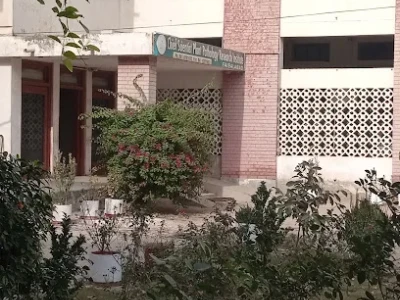
Pesticide Quality Control Laboratory Faisalabad is a specialized government laboratory working under the Agriculture Department, Government of Punjab. The laboratory is located inside Ayub Agricultural Research Institute (AARI), Jhang Road, Faisalabad, and provides analytical and regulatory services related to pesticide quality. The laboratory has been providing pesticide testing services in Faisalabad since 1971 under the framework established for regulation of agricultural pesticides.
The laboratory plays an important role in assessing the quality of pesticides used for crop protection. Its work helps determine whether pesticide products meet applicable quality requirements and supports efforts to reduce the availability and use of adulterated or substandard pesticides in Punjab. The laboratory provides analytical services to relevant stakeholders, including pesticide purchasers and farmers.
Pesticide Quality Control Laboratory Faisalabad is part of the specialized pesticide laboratory network of the Punjab Agriculture Department. The network includes pesticide quality-control laboratories in Faisalabad, Multan, Bahawalpur and Kala Shah Kaku, as well as specialized pesticide residue and reference laboratories.
The Faisalabad laboratory provides pesticide formulation analysis as well as testing of different pesticide categories. Its publicly listed services include formulation analysis, weedicides analysis and insecticides analysis. Physical testing can include dry sieve testing for products such as dustable powders and granules, wet sieve testing for wettable powders and water-dispersible granules, and emulsion stability testing for emulsifiable concentrates.
Chemical analysis is another important part of the laboratory's work. The laboratory analyzes active ingredients using analytical techniques including Gas Chromatography (GC), High Performance Liquid Chromatography (HPLC), spectrophotometry and chemical methods, depending on the pesticide and applicable testing method.
The laboratory follows a quality-management system based on ISO 17025:2017 and is listed by the Pakistan National Accreditation Council (PNAC) as an accredited testing laboratory for pesticide testing. PNAC currently lists the laboratory as LAB-147, with accreditation covering pesticide testing.
The laboratory also provides advisory analytical services to the farming community. According to the Agriculture Department, farmers can obtain pesticide analytical services at approved subsidized government rates, while regulatory samples may be handled through designated Agriculture Extension authorities.
Pesticide Quality Control Laboratory Faisalabad serves an important role in agricultural quality assurance, helping farmers and other stakeholders assess pesticide quality and supporting the implementation of Punjab's pesticide regulatory framework. Its services are particularly relevant to pesticide formulations, agricultural inputs and quality-related investigations.
Address: Inside Ayub Agricultural Research Institute (AARI), Jhang Road, Faisalabad, Punjab, Pakistan
Phone: 041-9200813
Mobile: 0300-6968910
Email: acpesticides@gmail.com
Category: Government Pesticide Testing Laboratory
Accreditation: PNAC ISO/IEC 17025:2017, LAB-147
Tests & Services Offered
Pesticide Formulation Analysis
The laboratory provides analytical testing of pesticide formulation samples to assess their quality and conformity with applicable requirements. This service is relevant to pesticide products used for agricultural crop protection.
Insecticide Analysis
Insecticide products can be examined to assess their formulation and active-ingredient characteristics. This service supports quality evaluation of pesticides used to control insects affecting agricultural crops.
Weedicide Analysis
The laboratory provides analysis of weedicides, also known as herbicides, used for controlling unwanted plants and weeds in agricultural fields. Testing helps assess the quality of the submitted pesticide formulation.
Physical Pesticide Analysis
Physical analysis examines selected physical characteristics of pesticide formulations. The laboratory lists dry sieve testing, wet sieve testing and emulsion stability testing among its pesticide-analysis facilities.
Dry Sieve Test
Dry sieve testing is used for appropriate pesticide formulations such as dustable powders and granule-type products. It evaluates particle-size characteristics according to the applicable testing requirements.
Wet Sieve Test
Wet sieve testing is performed for suitable formulations such as wettable powders and water-dispersible granules. The test evaluates the formulation's sieve-related characteristics under the applicable method.
Emulsion Stability Test
Emulsion stability testing is used for appropriate emulsifiable concentrate formulations. It assesses the stability characteristics of the pesticide emulsion according to the relevant testing procedure.
Active Ingredient Analysis
Chemical analysis can be performed to determine the concentration of active ingredients in pesticide formulations. Accurate measurement of active ingredients is an important part of pesticide quality assessment.
HPLC Analysis
High Performance Liquid Chromatography (HPLC) is one of the analytical techniques used for pesticide chemical analysis. It can be applied to suitable pesticide compounds and formulations according to validated laboratory methods.
Gas Chromatography
Gas Chromatography (GC) is used for analysis of suitable pesticide active ingredients and formulations. The specific compounds analyzed depend on the applicable analytical method and laboratory scope.
Spectrophotometric Analysis
Spectrophotometry is another analytical technique listed by the laboratory for pesticide analysis. It can be used for appropriate chemical determinations according to the relevant testing procedure.
Chemical Analysis
Chemical methods are used where appropriate for determining pesticide-related properties and active ingredients. The method selected depends on the pesticide formulation and applicable standard or validated procedure.
Regulatory Pesticide Testing
The laboratory performs regulatory pesticide quality-control testing under Punjab's agricultural pesticide regulatory framework. Regulatory samples may be submitted through designated authorities for official assessment.
Pesticide Testing for Farmers
Farmers can obtain pesticide analytical services for checking the quality of pesticides being used on their crops. The Agriculture Department states that such advisory testing services are available at approved subsidized government rates.
Pesticide Testing for Purchasers
The laboratory provides analytical services to purchasers of pesticides. Testing can help stakeholders evaluate the quality of pesticide products before or during their use.
Quality Assessment of Pesticides
Laboratory analysis helps identify whether submitted pesticide samples meet applicable quality requirements. This supports the availability of quality agricultural pesticides and helps reduce problems associated with adulterated or substandard products.
Research Related to Pesticides
The laboratory conducts or supports research related to pesticide use and pesticide quality issues. Research activities contribute to improved understanding and regulation of agricultural pesticide products.
Advisory Services
Advisory analytical services are provided to the farming community and other relevant stakeholders regarding pesticide quality and analysis.
ISO 17025:2017 Accredited Testing
Pesticide Quality Control Laboratory Faisalabad follows a quality-management system based on ISO 17025:2017. PNAC lists it as an accredited testing laboratory under LAB-147 for pesticide testing, supporting the laboratory's technical competence and quality-assurance framework.
Sample Testing and Reporting
Submitted pesticide samples are examined according to applicable laboratory procedures and testing methods. Results are compiled into laboratory reports based on the examinations performed.
Important Note
Pesticide Quality Control Laboratory Faisalabad is a specialized agricultural pesticide-testing laboratory, not a conventional human medical diagnostic laboratory. Its published services relate primarily to pesticide formulations, active-ingredient analysis, physical testing, regulatory quality control and related agricultural analytical services. Specific sample requirements, charges, submission procedures and turnaround times should be confirmed directly with the laboratory.