Contact Information
About Shifa Lab Collection Point
Shifa Lab Collection Point
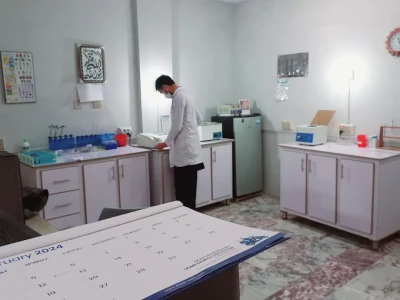
Shifa Lab Collection Point is a laboratory sample collection facility where patients can provide specimens for medical laboratory investigations. Collection points are designed to make diagnostic testing more accessible by allowing patients to submit required samples at a convenient local location.
The collection process generally involves receiving the patient's test request, identifying the required investigation, collecting the appropriate specimen and sending the sample for laboratory analysis through the relevant testing facility. Depending on the test, samples may include blood, urine or other clinical specimens.
Shifa Lab Collection Point can serve patients who have been advised by a doctor to undergo laboratory testing for diagnosis, routine health assessment, disease monitoring or follow-up care. The required tests depend on the patient's symptoms, medical history and the healthcare professional's recommendation.
Routine blood investigations may be requested for a variety of healthcare needs, including checking blood counts, glucose levels, cholesterol, liver function, kidney function and other important health indicators. Specialized investigations may also be available through the laboratory network depending on the test and sample requirements.
Patients should follow the preparation instructions given for their particular test. Some investigations require fasting, while others may require specific timing or sample-collection conditions. Confirming these requirements before visiting can help avoid delays or the need for repeat sample collection.
Proper sample identification, collection and handling are important parts of diagnostic laboratory services. Once a specimen is collected, it can be transported for analysis according to the laboratory's established procedures.
The collection point provides a convenient option for people who need laboratory sample submission without necessarily visiting a larger diagnostic laboratory facility. Patients can ask about available tests, sample requirements, charges and expected reporting time before providing their specimen.
When visiting Shifa Lab Collection Point, patients should bring their doctor's prescription or laboratory test request where applicable. Previous reports may also be useful when the testing is being performed for ongoing monitoring or follow-up.
The availability of individual tests, sample collection timings, fees, reporting methods and home-sampling options can vary by location. Patients should confirm the latest information directly with Shifa Lab Collection Point before visiting.
Tests & Services Offered
Blood Sample Collection
Blood sample collection is one of the most common services provided at laboratory collection points. The collected specimen is processed and analyzed according to the requested laboratory investigation.
Urine Sample Collection
Urine specimens may be collected for routine urine examination and other laboratory investigations. Patients should follow the laboratory's instructions regarding the appropriate specimen and collection procedure.
Complete Blood Count (CBC)
CBC is a commonly requested blood test that evaluates red blood cells, white blood cells and platelets. It may be used as part of the assessment of anemia, infection and other health conditions.
Blood Glucose Testing
Blood glucose testing measures glucose levels in the blood and may be requested for diabetes screening, diagnosis or monitoring.
HbA1c
HbA1c provides information about average blood glucose levels over the previous several weeks. It is commonly used for diabetes assessment and ongoing monitoring.
Liver Function Tests
Liver function investigations measure selected blood markers associated with liver health and function. Doctors may request these tests for diagnosis, monitoring or general evaluation.
Kidney Function Tests
Kidney-related blood investigations provide information about substances associated with kidney function. These tests may be recommended during routine screening or when kidney-related problems are suspected.
Lipid Profile
A lipid profile measures blood fats such as cholesterol and triglycerides. It is commonly used when assessing cardiovascular health and metabolic risk.
Thyroid Function Tests
Thyroid tests measure hormones and related markers to help evaluate thyroid function. The specific tests required depend on the clinical situation.
Vitamin Tests
Laboratory vitamin testing can measure selected vitamin levels in the blood. Doctors may recommend these investigations when a deficiency is suspected or when symptoms require further evaluation.
Iron Studies
Iron-related tests help assess the body's iron status and may be useful in the evaluation of suspected iron deficiency and certain types of anemia.
Hepatitis Screening
Hepatitis-related blood tests can detect specific viral markers, antibodies or antigens depending on the requested investigation.
Dengue Testing
Dengue investigations may be requested when dengue infection is suspected. The appropriate test can vary according to the stage of illness and the doctor's recommendation.
Malaria Testing
Malaria laboratory testing is used to look for evidence of malaria infection when clinically suspected.
Serology Tests
Serological investigations examine blood for antibodies, antigens or other immune-related markers associated with particular infections or medical conditions.
Microbiology Investigations
Microbiology testing involves examination of clinical specimens for microorganisms. Such investigations can assist healthcare professionals in identifying certain infectious conditions.
Culture and Sensitivity
Culture testing may be used to identify microorganisms present in an appropriate specimen. Sensitivity testing can provide information about which antimicrobial medicines may be effective against an identified organism.
Hormone Testing
Hormonal investigations measure specific hormones in blood or other appropriate samples and may be requested for endocrine, reproductive or other clinical evaluations.
PCR and Molecular Tests
Molecular laboratory testing, including PCR-based investigations, can detect genetic material associated with certain infectious diseases and other conditions when such testing is clinically indicated.
Routine Health Screening
Laboratory tests can be used as part of preventive health screening. The appropriate investigations depend on individual health needs and should be selected with guidance from a qualified healthcare professional.
Sample Collection for Specialized Tests
Some specialized investigations require particular specimen types or specific collection conditions. The collection point can provide sample submission according to the requirements of the requested test, where available.
Diagnostic Sample Submission
Patients can submit laboratory specimens according to their doctor's test request. The sample is then handled and processed according to the applicable laboratory procedures.
Important Information
The exact tests available at Shifa Lab Collection Point, sample requirements, fees, report turnaround times and collection timings may vary. Patients should confirm the current test list and collection arrangements directly with the facility before visiting.