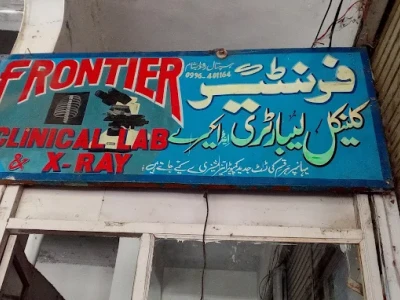
About Jan Medical Laboratory Battagram
About Jan Medical Laboratory Battagram
Jan Medical Laboratory Battagram is a clinical diagnostic laboratory providing laboratory testing support for patients and healthcare professionals. The laboratory may assist with routine medical investigations, health screening, sample collection, and follow-up testing.
Diagnostic Laboratory Services
The laboratory may provide clinical investigations using blood, urine, and other biological specimens. These investigations can support doctors in evaluating symptoms and monitoring different health conditions.
Blood Testing Services
Blood-based investigations may include routine hematology, blood glucose, liver function, kidney function, lipid profile, thyroid testing, and other commonly requested laboratory examinations.
Hematology Testing
Hematology investigations evaluate different components of blood and may assist in the assessment of anemia, infections, inflammation, and other blood-related concerns.
Biochemistry Testing
Biochemistry investigations assess enzymes, proteins, electrolytes, and other chemical components that can provide useful information about organ function and metabolic health.
Routine Health Screening
Laboratory testing may be used as part of routine health checkups and preventive screening. The appropriate investigations depend on the patient's symptoms, age, medical history, and doctor's recommendations.
Sample Collection
Blood, urine, and other clinical specimens may be collected according to the requirements of individual investigations. Proper sample collection and handling are important for reliable laboratory results.
Diagnostic Support
Laboratory results can provide healthcare professionals with useful information when evaluating symptoms, supporting diagnosis, monitoring treatment, or assessing changes in a patient's health.
Specialized Testing Support
Selected specialized investigations may be available depending on laboratory capabilities, test requirements, and available diagnostic arrangements.
Patient Support
Patients may receive general instructions regarding fasting, sample collection, test timing, and preparation requirements for specific investigations.
Follow-Up Testing
Repeat laboratory investigations may be recommended by healthcare professionals to monitor an existing condition, evaluate treatment response, or compare laboratory values over time.
Laboratory Reports
Completed investigations are reported through the applicable laboratory reporting process. Patients should discuss their results with a qualified healthcare professional for appropriate interpretation.
Preventive Healthcare
Routine laboratory investigations can support preventive healthcare by helping monitor important health indicators and encouraging timely medical evaluation.
Important Information
Available tests, charges, sample requirements, reporting times, and preparation instructions may vary. Patients should confirm the required investigation and current service details before visiting the laboratory.
Tests & Services Offered
Complete Blood Count (CBC)
CBC testing may evaluate hemoglobin, red blood cells, white blood cells, platelets, and other important blood parameters.
Blood Glucose Tests
Blood sugar investigations may include fasting blood glucose, random blood glucose, and other glucose-related tests used for diabetes screening and monitoring.
Liver Function Tests
Liver-related investigations may include bilirubin, ALT, AST, alkaline phosphatase, albumin, and other markers used to assess liver health.
Kidney Function Tests
Kidney investigations may include creatinine, urea, uric acid, electrolytes, and other parameters used to evaluate renal function.
Lipid Profile
Lipid testing may measure total cholesterol, triglycerides, HDL cholesterol, LDL cholesterol, and other parameters associated with cardiovascular health.
Thyroid Function Tests
Thyroid investigations may include TSH, T3, T4, and other tests used to evaluate thyroid function when clinically required.
Urine Examination
Routine urine testing may help assess urinary tract health and identify certain abnormalities related to infection, kidney function, and metabolism.
Stool Examination
Stool investigations may assist in evaluating digestive health and detecting certain parasites, infections, or other abnormalities.
Hepatitis Screening
Selected hepatitis-related investigations may be available for screening and monitoring, including tests associated with hepatitis B and hepatitis C.
Biochemistry Tests
Biochemistry investigations may cover enzymes, proteins, electrolytes, minerals, and other chemical components used in medical assessment.
Serology Testing
Selected serological investigations may help identify antibodies, antigens, and other markers associated with infections or specific medical conditions.
Immunology Testing
Immunological investigations may support the evaluation of immune-related conditions when recommended by a healthcare professional.
Infectious Disease Testing
Appropriate laboratory investigations may support the detection or monitoring of selected infectious diseases.
Routine Health Screening
General health screening may include a combination of laboratory investigations selected according to individual healthcare requirements and medical recommendations.
Sample Collection Services
Blood, urine, and other clinical samples may be collected according to the requirements of individual laboratory investigations.
Follow-Up Investigations
Repeat testing may be recommended by healthcare professionals to monitor disease status, treatment response, or changes in laboratory values.
Laboratory Reporting
Processed investigations are reported through the applicable laboratory reporting system for review by patients and healthcare professionals.
Test Preparation Guidance
Certain investigations may require fasting, specific timing, or other preparation. Patients should follow the instructions provided for their particular test.